



4 min readFeb 18, 2026 07:50 AM IST
First published on: Feb 18, 2026 at 07:50 AM IST
After the recent elections in Bangladesh, it is good to see India reconsidering the stand it had taken during Muhammad Yunus’s rule. We may now be on the way to regaining our only steadfast friend in the neighbourhood, as the Indian establishment has swung out of its fixation with Hasina and accepted the Bangladesh Nationalist Party (BNP) as India’s best bet. It took more than a year for our government to view the BNP with more kindness despite the party’s anti-India track record.
As the polls were announced, backdoor channels opened up with the BNP and the Jamaat. The two parties’ old alliance broke down, and circumstances forced the BNP to move to the centre-left and take Yunus and the extremists head-on. The Jamaat underwent an incredible metamorphosis from those who aided the Pakistan Army in its genocide in 1971 to arguably the cleanest alternative in Bangladesh’s corrupt political quagmire. The Yunus regime helped in this transformation, and the student-led National Citizen Party (NCP) joined Jamaat’s 11-party alliance.

To be fair to Yunus, one must appreciate that he undertook a Herculean task. He reformed the civil service, police, judiciary, the Election Commission and regulatory bodies, and started rebuilding national institutions. The peaceful conduct of the first fair elections in years is proof of his success, even as he floundered on law and order and went after India. His “July Charter”, a package of 84 reform proposals, was endorsed by all parties except the banned Awami League. Seventy per cent of voters endorsed this charter in the constitutional referendum, even as most rejected Yunus, the NCP and the Jamaat.
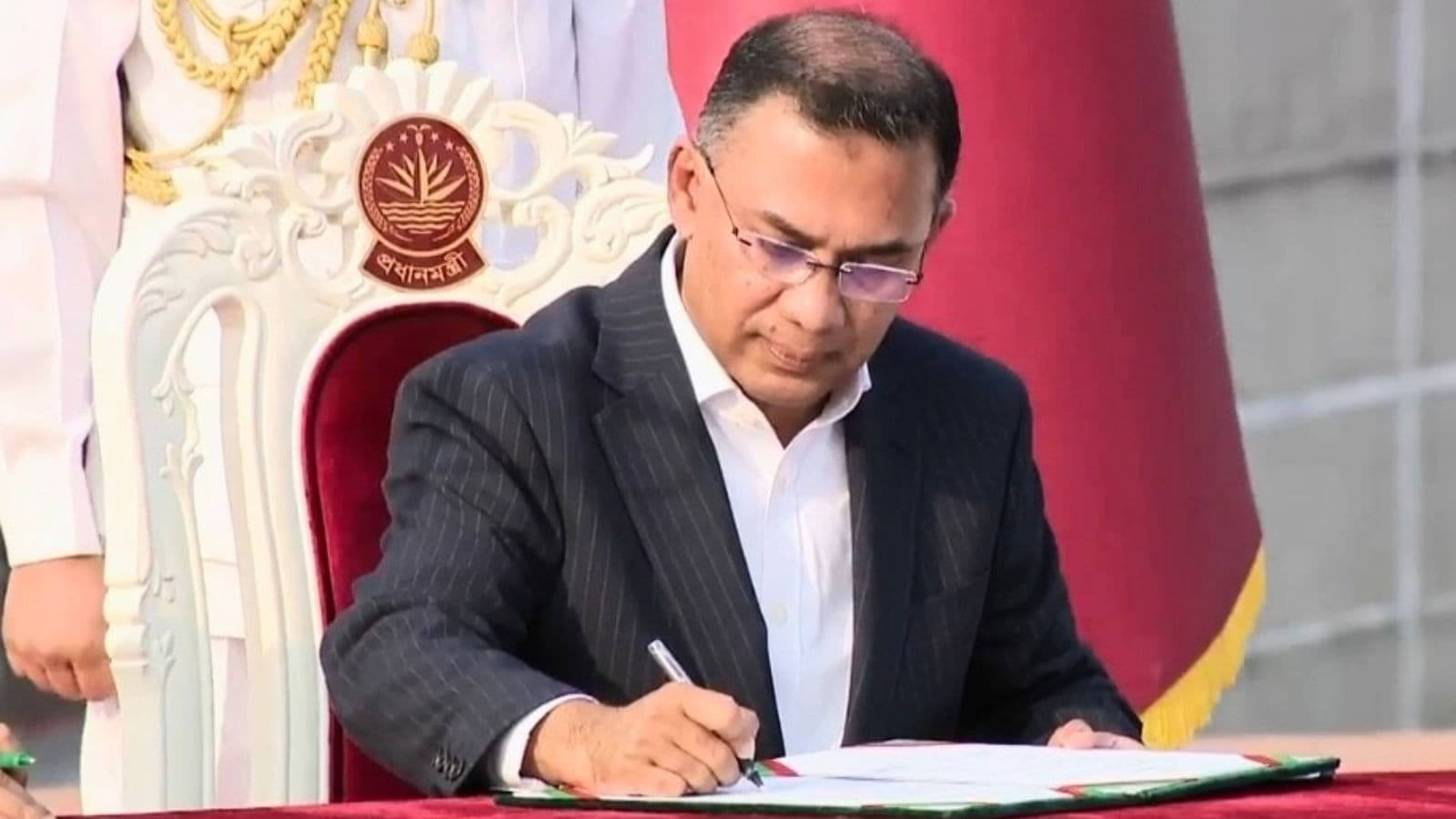
After returning from London, Tarique Rahman had less than 6 weeks to take over the BNP, understand the turbulent times, select candidates and campaign for the 12th February election. But the very fact that the BNP and a few minor allies swept the polls, securing 50 per cent of the vote and winning 212 of 299 seats, reveals the voters’ maturity. This is what we had been arguing, but even sharp watchers were surprised at the electorate’s almost complete rejection of the Gen Z leaders who had toppled Hasina. Jamaat-e-Islami’s hopes of seizing power were dashed as it could secure only 68 seats, with the NCP managing just six.
Our postulate that the Hanafi Muslim Bangladeshis and secular voters would not be swayed by the lure of the more Wahhabi Pakistan- and Arab-supported Islamic Right was proved correct. But the Jamaat’s ascent to respectability is seen in how one out of three Bangladeshis voted for it. This could be a reaction to Hasina’s authoritarian rule.The geography of voting behaviour, however, points to the Jamaat winning mainly in the western districts that face the Indian border, where many refugees settled and nursed grievances against India. More tangibly, the cross-border trade that sustains much of the economy of these areas has been shattered. The hardening of border checks and the closure of trading posts and markets hurt them badly. Under different circumstances, the Islamists may have won even fewer seats. The votes of women and Awami League supporters who gulped down their hatred of the BNP, may have helped keep the extremists out.
Whatever the case may be, Tarique Rahman has never held public office, and we have to be cautious. He needs India to normalise trade and find ways to draw more Indian investment. India needs to have patience and not be seen too prominently until the anger subsides. It would also help if the impasse over Hasina is resolved at the earliest. Visas have to be opened up immediately for Bangladeshis to come to India for medical treatment, education, and tourism. Border trade must return to normal levels, and the balance of trade must be made fairer. There are no permanent friends or enemies, and we cannot just lose Bangladesh to Pakistan.
The writer is a former Rajya Sabha MP

