



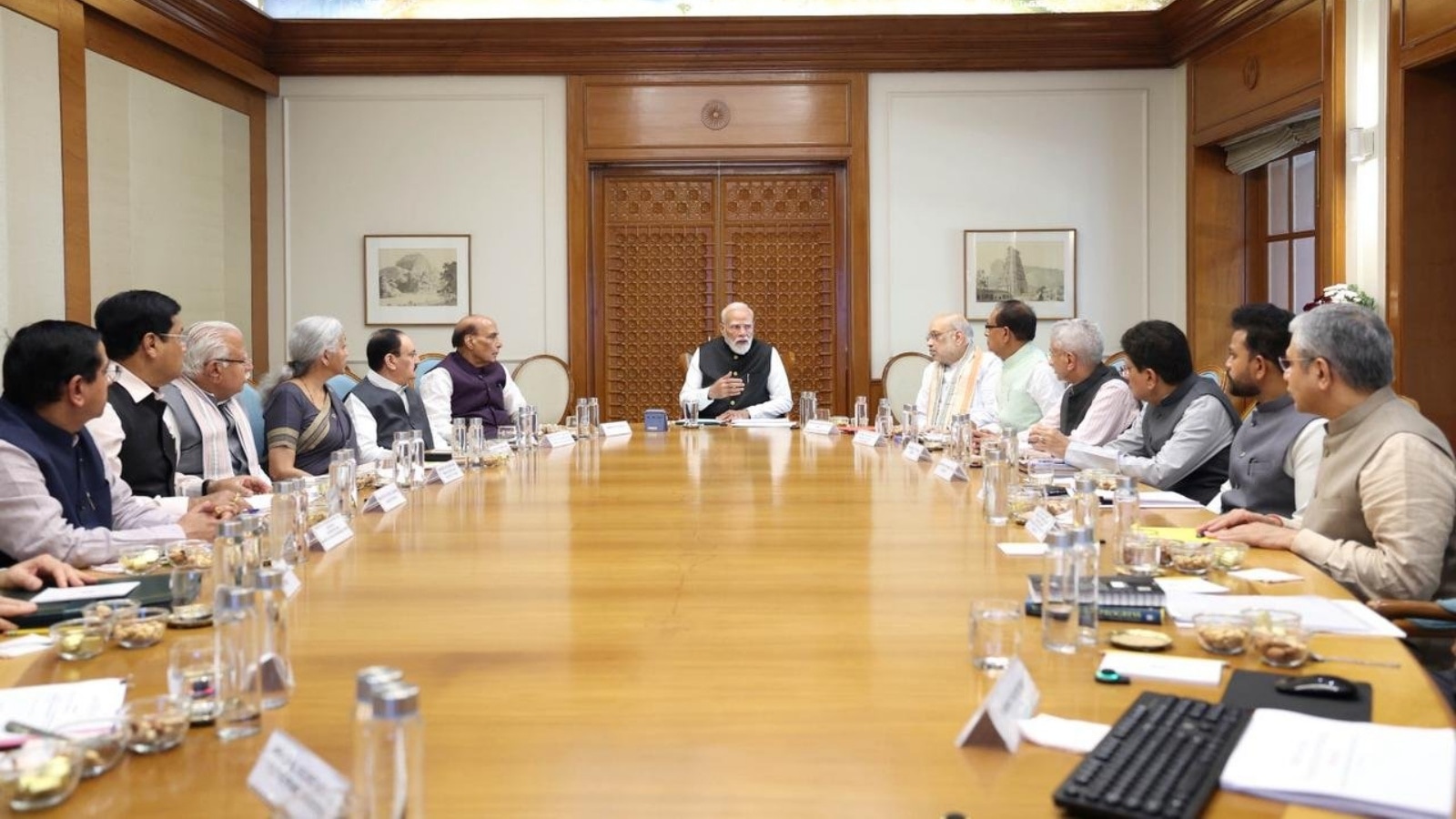
Almost a month into the conflict that started in Iran, India is staring at an energy crisis at home. The interrupted supply of Liquefied Petroleum Gas (LPG) has already affected several sectors, from domestic and industrial cooking to public transport vehicles. The crisis has compounded because around 60 per cent of that required energy is imported. Almost 90 per cent of this import comes from Middle Eastern states like Qatar, the UAE, and Saudi Arabia. It passes through the Strait of Hormuz, which now stands impacted because of the conflict. With the situation in Iran showing no definitive resolution, India’s foreign policy will have to take care of the kitchens across the country.

The crisis has laid bare the interdependence between domestic and foreign policy issues. Foreign policy is understood to be an external set of engagements — negotiating with other states, navigating a world full of challenges that is beyond our sovereign control. Yet, foreign policy decisions have direct, tangible impacts on the lived realities of people. They might be outwardly directed, but their roots lie at home. Achieving these interests remains the central objective. The main objective of the state’s foreign policy remains the upliftment of the domestic.
Public discourse on India’s foreign policy has largely ignored this interdependence evaluation. Public discourse here relates to two aspects: How foreign policy issues and debates are portrayed by the media and how they are consumed and validated by the people. Rather than asking how India’s foreign policy has made the lives of the average Indian better, the limelight has mostly been on the optics and issues of India’s status in the world order.
The portrayal of India’s foreign policy coverage is overwhelmingly focused on the conduct and stylisation of foreign policy, particularly in the visual media. This includes coverage of foreign visits, summits, official briefings, and personal bonhomie among leaders. While they remain interesting and symbolic, diplomatic niceties do not tell us what tangible results they bear. They also focus much more on the delivery and articulation of the government instead of its actions. A mapping of what translates from these diplomatic endeavours is largely missing.
A focus on the means of foreign policy is not completely undue but is nevertheless incomplete. For instance, the quantum of foreign visits made by Prime Minister Narendra Modi, the appeal he has, and the bonhomie he shares with other leaders answer an important question about the nature and style of his diplomacy. Personal equations between leaders do affect relations between states. However, the individual is not the sole determining variable in foreign policy. It creates tunnel vision in reading foreign policy, bereft of national, regional, and international angles.
Policy outcomes are not generated but are rather initiated by such meetings. Any agreement or deal is an arduous process involving multiple stakeholders and critical junctures. Projection alone of people or summitry does not create any idea among the masses of how foreign policy procedures work, but rather reduces it to a spectacle of foreign visits alone.
The consumption of India’s foreign policy in the public eye is mostly done through an emotive yardstick of status and recognition enhancement. Status enhancement does matter to postcolonial states. Long deprived and politically sidelined in the international order, these communities value policies that make them feel they have levelled up in a Western-dominant world.
The Indian state has long used ways to provide that sense of belonging to the masses around its international engagement. It has always taken pride in its culture and exceptionalism that the world should recognise. In the Cold War period, we articulated the voice of the Third World and the leadership of non-alignment. As and when our material heft grew, India’s projection has been that of a rising power that is more forthright and active. While domestic policies remain deeply contested and politicised, foreign policy remains a sanitised mobilising force for governments.
The validation of India’s foreign policy in the public eye has been twinned with nationalism. The assessment is often based on how visible our leaders are, how much we are recognised and followed by major actors and stakeholders, and how we have been able to brand our politics and culture around the world. A buzzword in this is India’s becoming a Vishwaguru or World teacher. The evaluation of India’s might is based on how it is showing the way to the world rather than on how we are benefiting from issues that matter. The overarching public assessment in India is through a value-based framework instead of an interest-driven one.
A common argument often made in the past about foreign policy is that it is not an issue of the masses. It is decided by the elites and does not concern the everyday lives of the people. Times have changed, and the impact is regular and vivid. While governments continue to invoke foreign policy issues to seek public legitimacy, they cannot sideline the people, citing its technical complexities. Furthermore, foreign policies have become crucial for public welfare, and their debates cannot be vacuous anymore. The portrayal of foreign policy should factor in “people”, and the people should start looking to read about “issues”. The optics are alluring, and the concern of status remains compelling, but there is more to India’s foreign policy.
Das is an assistant professor at the Department of Political Science, St. Xavier’s College (Autonomous), Kolkata

