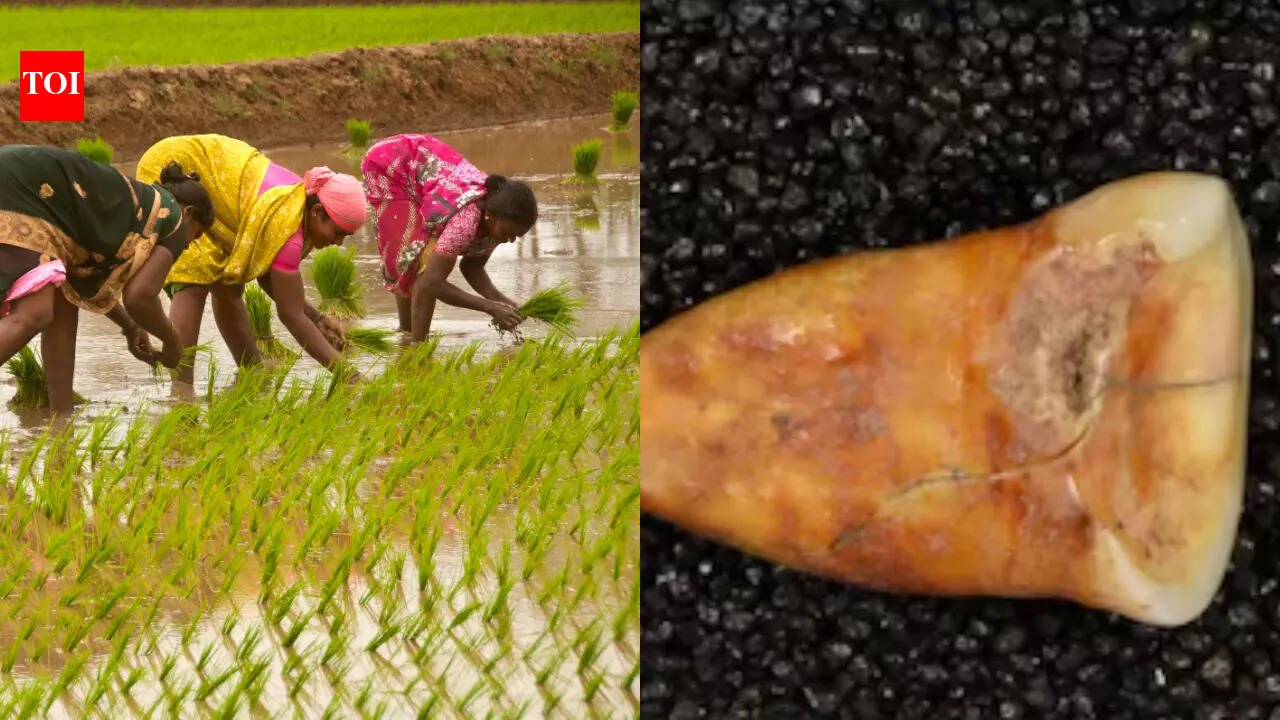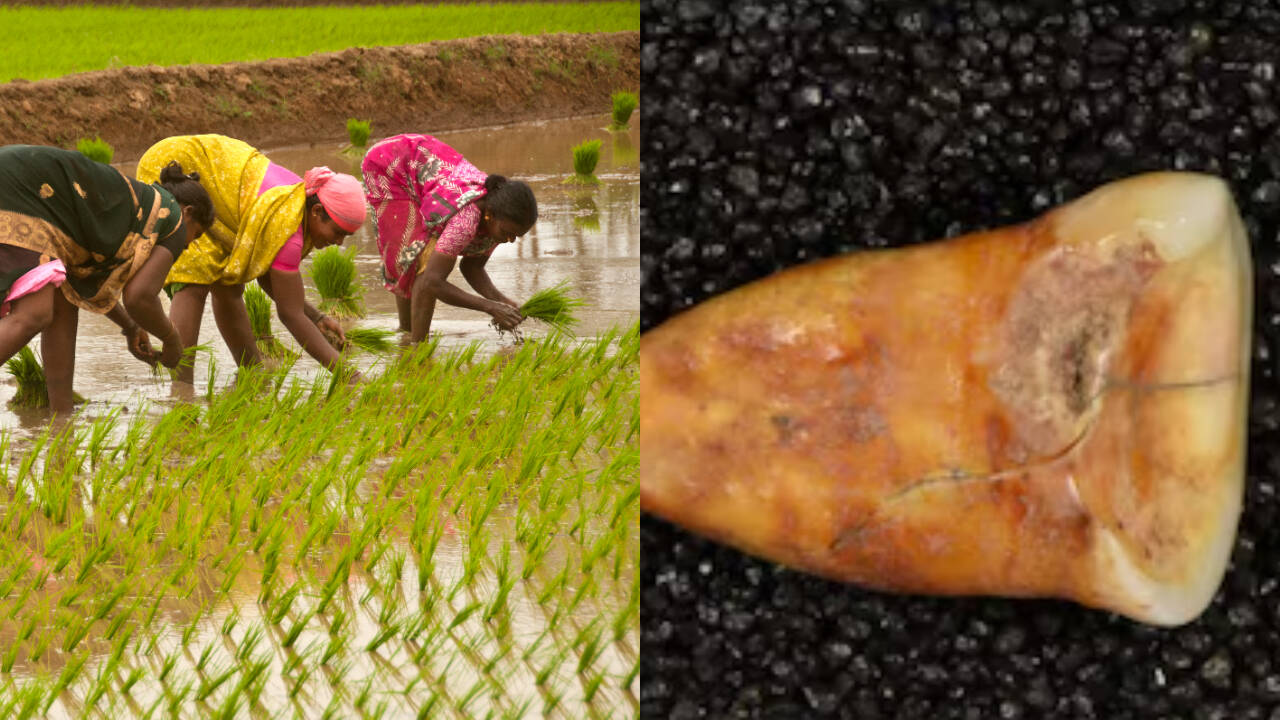
The introduction of agriculture, around 11,500 years ago in the Middle East was a milestone for humankind. For decades, the image of the prehistoric hunter-gatherer has been remarkably consistent: hunters skilled in living off mainly meat, with plants as occasional supplements. It’s an image deeply embedded in popular culture, in documentaries and even in modern diet fads based on ancient eating habits. But a new scientific study is turning that assumption upside down.
According to Reuters, researchers studying the remains of people who lived in what is today Morocco some 15,000 years ago discovered that these prehistoric societies depended much more on wild plants than previously believed. The results indicate that before agriculture arrived, some hunter-gatherers had already devised sophisticated methods for gathering, storing and consuming a variety of plant foods. The study, published in the journal Nature Ecology & Evolution provides a rare insight into what a prehistoric society ate and raises new questions about how human diets evolved before the advent of farming.
Trending
- Jak skorzystać z bonusów w Goldbet Casino: krok po kroku do lepszej gry
- Ganhe em grande no TopX: dicas para aproveitar as promoções de 2026
- Pinco casino mobil uygulaması: oyunlarını her yerde oyna
- Wie du sicher und schnell im Online-Casino einzahlen kannst
- Koning Bet en sportweddenschappen: tips voor succesvolle inzetten en bonussen
- Unlocking the best online casino bonuses: a 2026 guide for savvy players
- Baxterbet Casino im Test: Welche Boni sind wirklich lohnenswert?
- Секреты успешной игры в Пин Ап казино: что нужно знать новичкам

15000-year-old bones and teeth reveal what humans ate before agriculture
 By currato