



4 min readMar 11, 2026 06:09 AM IST
First published on: Mar 11, 2026 at 06:09 AM IST
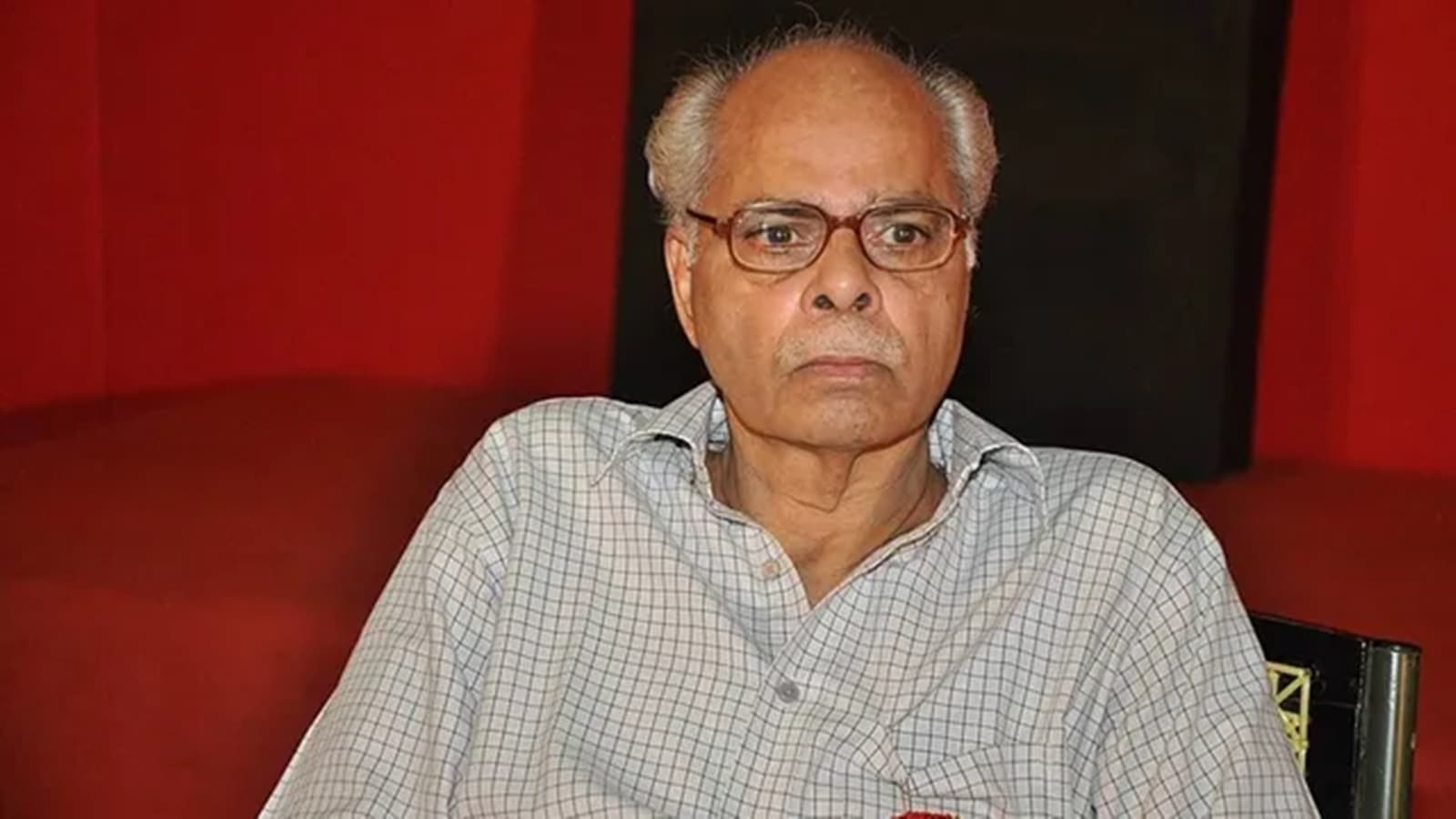
The death of K N Panikkar is a great loss to all those who believe in the importance of authentic history writing for Indian society. He was a distinguished member of the community of historians who were committed to producing valid and genuine history. But even within that community, he stood out in a variety of ways. At a time when history writing was dominated by economic and political dimensions, Panikkar highlighted the importance of culture.
Panikkar introduced culture as an important variable in the understanding of historical phenomena. He also defined culture in innovative ways — for him, it was not a residual category subtracted from economy and politics. It was also not “high culture”, consisting of literature and scholasticism. Culture was a mental universe that connected peoples’ thoughts with their actions. Therefore, an understanding of culture was crucial not just in itself, but also as a clue to understand large political phenomena involving popular action. Panikkar drilled into his students the idea that all big political movements were preceded by cultural movements. The latter inevitably cast their shadows on the trajectories of the political movements.

He rescued culture from isolationism by demonstrating its connections with other domains of society. He also looked upon culture as a terrain that was a site of major contests and struggles. Scratch any major political and economic upheaval, he would argue, and you would find traces of culture there. Culture was the soil that nourished the plant of political and economic history. Panikkar was a historian of culture par excellence.
Panikkar’s second major contribution was to highlight the seminal place of ideas in human life. A trained Marxist, he nonetheless believed that the world of ideas was not simply an extension of material life. Ideas had autonomy and a life of their own. At the Centre for Historical Studies (CHS), Jawaharlal Nehru University, where he taught modern Indian history for over three decades, Panikkar put together a course on the history of ideas in India. In that course, he assembled a large repository of ideas that were important and influential during the 19th century. His approach was to construct a dynamic ledger book of ideas in which deletions, additions and modifications were constantly happening. The ledger book also contained ideas that were mutually contradictory. Nonetheless, there was a long, seamless chain of important ideas — from Rammohan Roy to Bankim Chandra Chattopadhyay, from Vivekananda to Ramkrishna Gopal Bhandarkar — that shaped peoples’ beliefs and actions. There were other courses in the Master’s programme dealing with economic and political structures. It was left to students to connect the threads.
KN, as he was known to his friends and admirers, was a committed teacher who always encouraged his students to disagree with him and offer contrary formulations. It was widely believed among his students that he was more likely to reward dissenting ideas with higher grades than ideas that simply conformed to his own views.
After retiring from JNU in 2001, Panikkar shifted to his home state, Kerala, where he made important contributions to the building of academic institutions. He was the founder president of the Kerala History Congress. He was also the editor of the historical project, Towards Freedom, sponsored by the ICHR.
Panikkar was a public intellectual who remained uncompromisingly opposed to communalism and committed to the vision of a secular and democratic India. He never tired of reminding his readers about the dangers that communalism posed to the future of society. It was the communal fissure, much more than any other divide based on caste or language, that was capable of tearing apart the fabric of Indian society. His Marxism always nourished and nurtured his nationalism rather than coming in its way. In his death, India has lost one of its towering social scientists, Indian history has lost one of its most distinguished practitioners, and cultural history has lost one of its most ardent advocates.
The writer is visiting faculty at BML Munjal University, Gurgaon

