



6 min readMar 12, 2026 06:19 AM IST
First published on: Mar 12, 2026 at 06:19 AM IST
For three decades, the ghost of the French political philosopher Montesquieu haunted the halls of the World Trade Organisation in Geneva. The Enlightenment philosopher’s famous dictum of doux commerce — the idea that trade “polishes and softens” the manners of men — was the silent engine of the era of globalisation. The logic was as elegant as it was optimistic: If we weave a web of mutual dependency, the cost of conflict becomes too high to pay. We would trade our way to a permanent, civilised peace. It was a beautiful, seductive delusion — the belief that the accountant’s ledger could finally replace the soldier’s bayonet.
But today, looking at the flurry of Trumpeted tariffs, export controls, and “Buy National” mandates, it is clear that the era of “gentle trade” has expired. States are more economically and technologically interconnected than at any point in history. Yet the very ties that bind them are increasingly perceived as sources of vulnerability rather than stability. We have reached a state of maximal interdependence coupled with minimal trust. The interdependence spawned by trade is now seen as a form of geoeconomic vulnerability, where reliance on foreign partners is seen as a strategic liability rather than a stabilising force. This tension between reliance and suspicion shapes the contours of global geopolitics and geoeconomics, producing a world order that is simultaneously integrated and fragmented. In the place of the globalised world, a more primal, dog-eat-dog protectionism has emerged. The marketplace is no longer a salon for integrating the world; it has become the front line of a zero-sum conflict. We are witnessing the “de-civilising” of the global economy, where the handshake has been replaced by the chokehold.

The promise of doux commerce was that economic interest would eventually swallow geopolitical ambition. During the era of globalisation, we were all persuaded to believe that if Russia was piped into European energy grids and China was integrated into American supply chains, these nations would become “responsible stakeholders” in a peaceful global order, and that if India sold gems and jewellery to New York while importing Harley-Davidsons from Detroit, both countries would prosper. We fell into the trap of the classic Prisoner’s Dilemma, assuming everyone was playing a long-term game of “tit-for-tat” cooperation. We thought that by being “nice” (opening our markets, inviting investment and integrating into global supply chains), we would invite reciprocal niceness and enhance our attractiveness as a “strategic partner”. Instead, we discovered that the “rationality” of a trading partner is often secondary to the irrationality of a president’s prejudices or the assertion of national pride. Interdependence didn’t just create peace; it created vulnerability. Many countries that mistook mutual dependency for mutual friendship came to realise that they had simply handed their rivals the keys to their own front doors.
In the era of globalisation, the golden rule was efficiency. Companies chased the lowest cost, assuming the sea lanes would always be open and the rules would always be followed. Now, that golden rule has been replaced by the “Armour-Plated Rule”. The realisation that a single geopolitical tremor — a pandemic or a sudden invasion — can collapse a supply chain has turned trade into a defensive crouch. The West is moving from “offshoring” to “friend-shoring” and “near-shoring”. Countries no longer care if a partner is the most efficient or most cost-effective; we care if they are a “friend”. WTO multilateralism has been replaced by a flurry of bilateral trade agreements. This is the death of the universal marketplace and the birth of a fragmented one. The cost of this new paranoia will be paid by every consumer at the checkout counter.
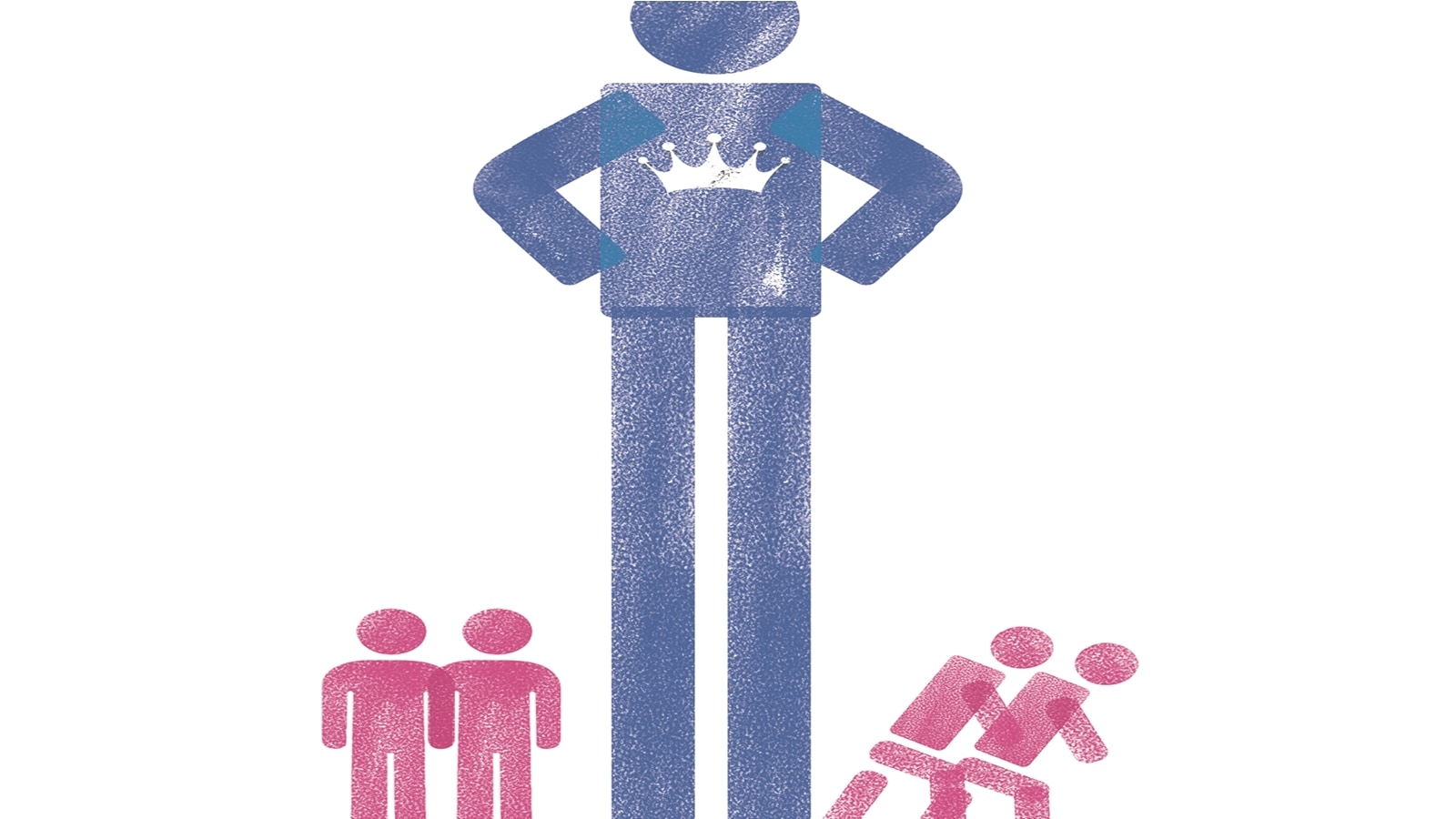
The “gentleness” of commerce was predicated on the idea that trade happens in a neutral space, a world of benign autonomous economic actors. Poor Montesquieu! Today, commerce is weaponised. When semiconductors are used as diplomatic leverage and critical minerals are withheld to settle political scores or even the scales in a tariff battle, the softening effect that Montesquieu praised can no longer be found. Tariffs have returned as tactical missiles intended to degrade the capabilities of rivals. We have moved from a world where we traded to get rich together, to a world where we trade to ensure our neighbour doesn’t get richer than us, or doesn’t “profit” from us through a favourable trade balance. Trade is no longer an engine of growth; it is a tool of attrition, designed to starve the other even if it means going hungry ourselves.
There is an evident tragedy in this shift. While protectionism may offer a temporary sense of security, it abandons the civilising hope of the 18th century. The original theory of doux commerce wasn’t just about money; it was about tolerance and mutual understanding emerging from mutual benefit. It was about the merchant who, in the pursuit of a sale, learns not just to tolerate but to accept the religion, language, and culture of the buyer. As we raise our drawbridges and retreat into rival trading blocs, we lose that bridge of communication. When we stop trading with countries we now see as “enemies”, we lose the last remaining incentive to understand them. We are trading the gentle peace of the market for the brutal security of the fortress. And it could get worse. History warns us that when goods stop crossing borders, armies eventually might.
The era of globalisation may have been naive in its optimism, but the era that replaces it looks increasingly like a world where the dogs are finally off the leash. We are dismantling the global village and replacing it with the law of the jungle, where might is right and suspicion reigns amid widespread fear. We are moving from Montesquieu to Hobbes: A world that is a collection of armed camps, watching each other through the sights of an economic rifle, with their drawbridges up. Doux commerce is yielding to a harsh dystopia.
The writer is Member of Parliament for Thiruvananthapuram, Lok Sabha, and chairman, Parliamentary Standing Committee on External Affairs

