



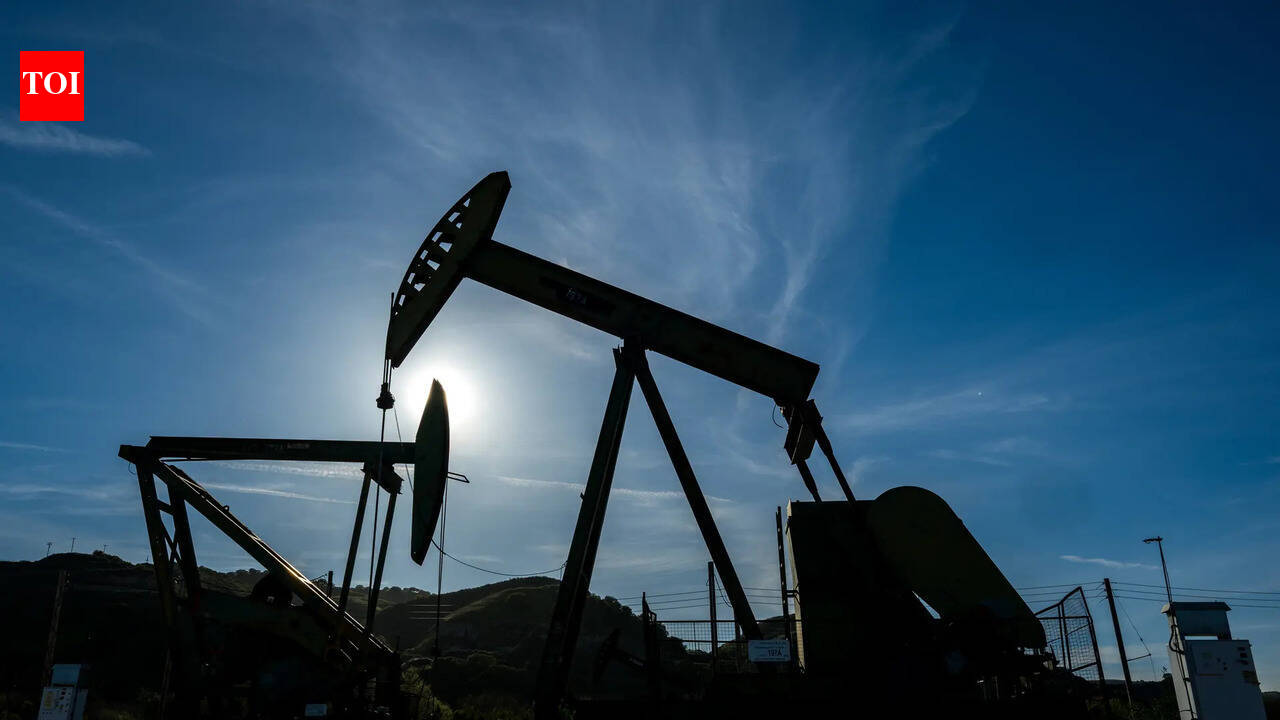
Oil prices extended their gains as the Middle East conflict intensifies and Strait of Hormuz continues to see disruption, fueling fears of supply disruptions in global markets. On Tuesday, Brent crude futures rose by $2.48, or 2.5%, to $102.69 per barrel at 0058 GMT, while US West Texas Intermediate (WTI) crude advanced by $2.42, or 2.6%, to $95.92 per barrel.The spike comes as the Strait of Hormuz, a critical transit route responsible for nearly 20% of global oil and liquefied natural gas trade, remains largely disrupted due to the ongoing US-Israel war on Iran, now in its third week. The situation has intensified fears of tightening supplies, rising energy costs and mounting inflationary pressure worldwide.Efforts to secure the passage through the strait have faced resistance. Several European nations have declined to send warships to the region, despite US President Donald Trump urging Nato allies to step in. Trump warned that the alliance could face “a very bad future” if member countries fail to act, and criticised Western partners for what he described as a lack of support despite longstanding American backing.The disruption has already begun to affect production. The United Arab Emirates, the third-largest producer in the Organization of the Petroleum Exporting Countries, has been forced to shut in output, with production dropping by more than half, according to two sources cited by Reuters.At the same time, the International Energy Agency has indicated that member countries could release additional oil to stabilise markets, beyond the 400 million barrels already committed from strategic reserves.Analysts suggest prices could rise further if tensions persist. Kayanat Chainwala, assistant vice president at Kotak Securities, told ET that global crude prices may touch $120 per barrel in the near term and could climb to $150 per barrel if the conflict extends beyond a month and tensions in West Asia remain high.She noted that prices below $110 per barrel remain manageable within India’s current tax framework, allowing the government some room to cushion the impact. However, Elara Securities cautioned that if crude moves into the $110 to $125 range, fiscal flexibility would begin to narrow and disparities in earnings across oil and gas companies could widen.(Disclaimer: Recommendations and views on the stock market, other asset classes or personal finance management tips given by experts are their own. These opinions do not represent the views of The Times of India.)
