



4 min readApr 14, 2026 06:19 AM IST
First published on: Apr 14, 2026 at 06:19 AM IST
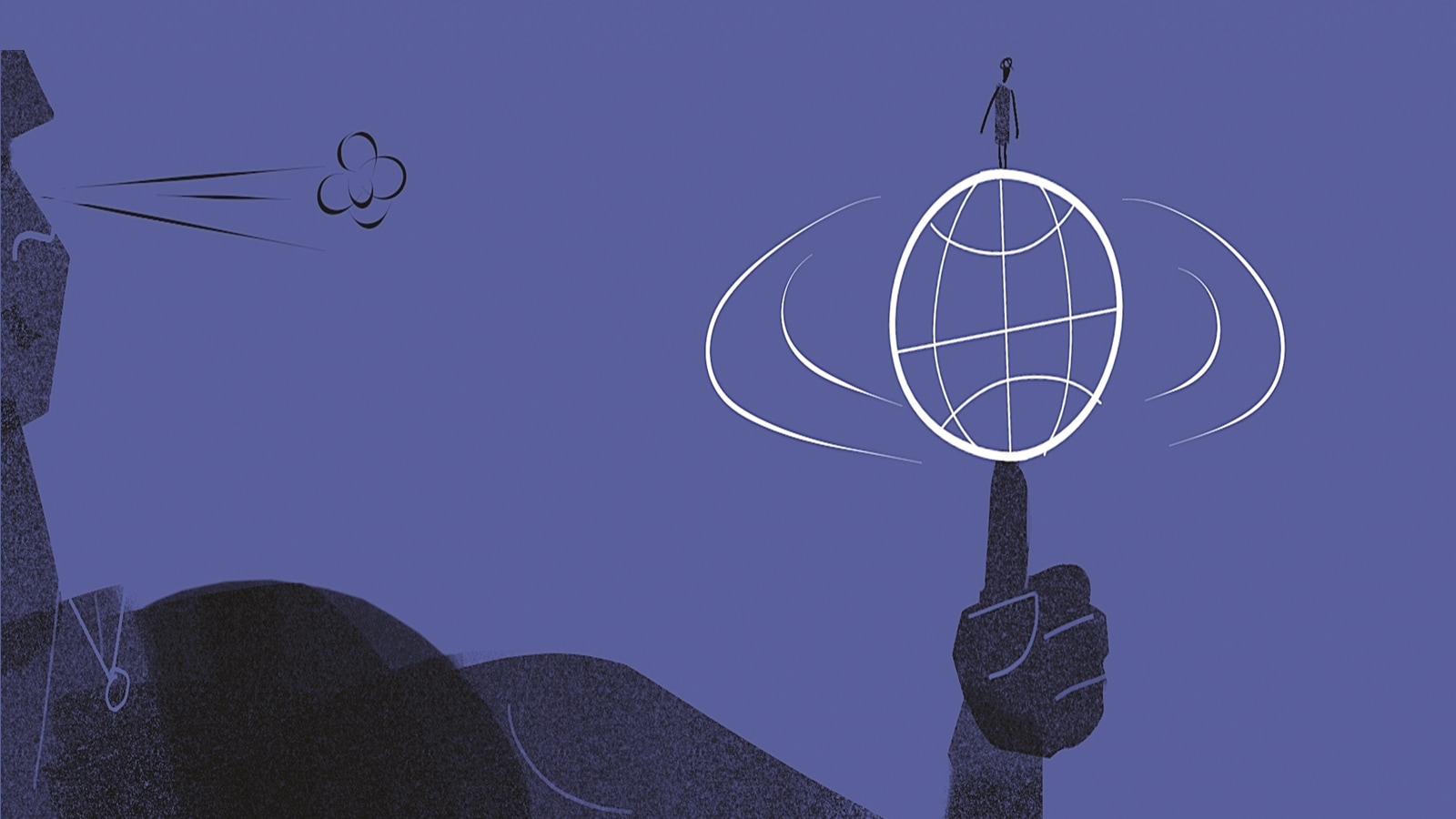
As talks in Islamabad failed, President Donald Trump announced that the US Navy would immediately start blockading the Strait of Hormuz, one of the world’s most important waterways. The order is broad: American naval forces must stop and inspect any ship entering or leaving the strait. Ships that have paid transit fees to Iran will be intercepted in international waters. Iranian mines in the strait are to be destroyed. If any Iranian force fires on American ships or commercial vessels, the response will be overwhelming force. Trump also said that at some point, the US military would “finish up the little that is left of Iran”. There was no consultation with allies, no legal framework, and no operational plan. There was no sign that anyone in his administration had considered what would happen next. It was just a social media post threatening to blow Iranians “to hell”.
A fifth of the world’s oil passed through the Strait of Hormuz every day before the war began. But Trump understands something that makes this more than just reckless: The pain of a blockade would mostly hurt other countries. This was never India’s war, or Japan’s, South Korea’s, or Germany’s. These countries did not choose this confrontation. Most tried to stay out of it, keeping diplomatic channels open with Tehran while managing their own complicated ties with Washington. They have no say in American foreign policy and no seat at the table.

Yet, the consequences of the announcement fall directly on them. The US, now the world’s largest oil producer, is mostly protected from Gulf energy disruptions. Last week, Trump posted that empty tankers were already heading to the US to be filled with American oil. In other words, the blockade is also a market strategy: Cut off Gulf supply, shift demand to American producers, and call it national security. That is thuggery with flair.
Iran has spent decades preparing for this. Sea mines, anti-ship missiles, fast boat swarms, and proxy networks stretch across the region. These are tools built specifically to make American naval operations costly and complicated in a confined space like the Strait of Hormuz. What stands out is that there is no plan beyond immediate American gain. A blockade like this needs partners to help share the legal and military responsibilities. There should be a clear idea of how Iran might respond and how to handle it. There also needs to be a sense of what success looks like and how to achieve it. The announcement had none of this.
This pattern is now familiar. Tariff announcements sent global markets into chaos while American negotiators waited for other countries to give in. Ceasefire talks left allies confused and adversaries planning their next move. The habit of making big public demands continued, with no plan for what comes next.
What seems like bold pressure is, on a closer look, a consistent pattern: Create a crisis, make sure others pay the price, and take whatever advantage can be found in the confusion.
For India, this is a direct problem. India imports a lot from the Gulf, and millions of Indian workers in the region send money home. New Delhi has spent years building ties with both Washington and Tehran. Being forced to pick sides every time America confronts Iran is simply too costly. When America creates crises that help it but hurt others, it puts that pressure on India, too. The bigger harm is to the international order. The US built much of its post-war reputation on keeping global trade routes and sea lanes open for everyone. A president who closes one of the world’s busiest waterways, while making sure American oil exporters benefit from the chaos, is abandoning that role and taking advantage of the system he inherited.
The writer is a research fellow at the Takshashila Institution
