



6 min readApr 16, 2026 07:12 PM IST
First published on: Apr 16, 2026 at 07:10 PM IST
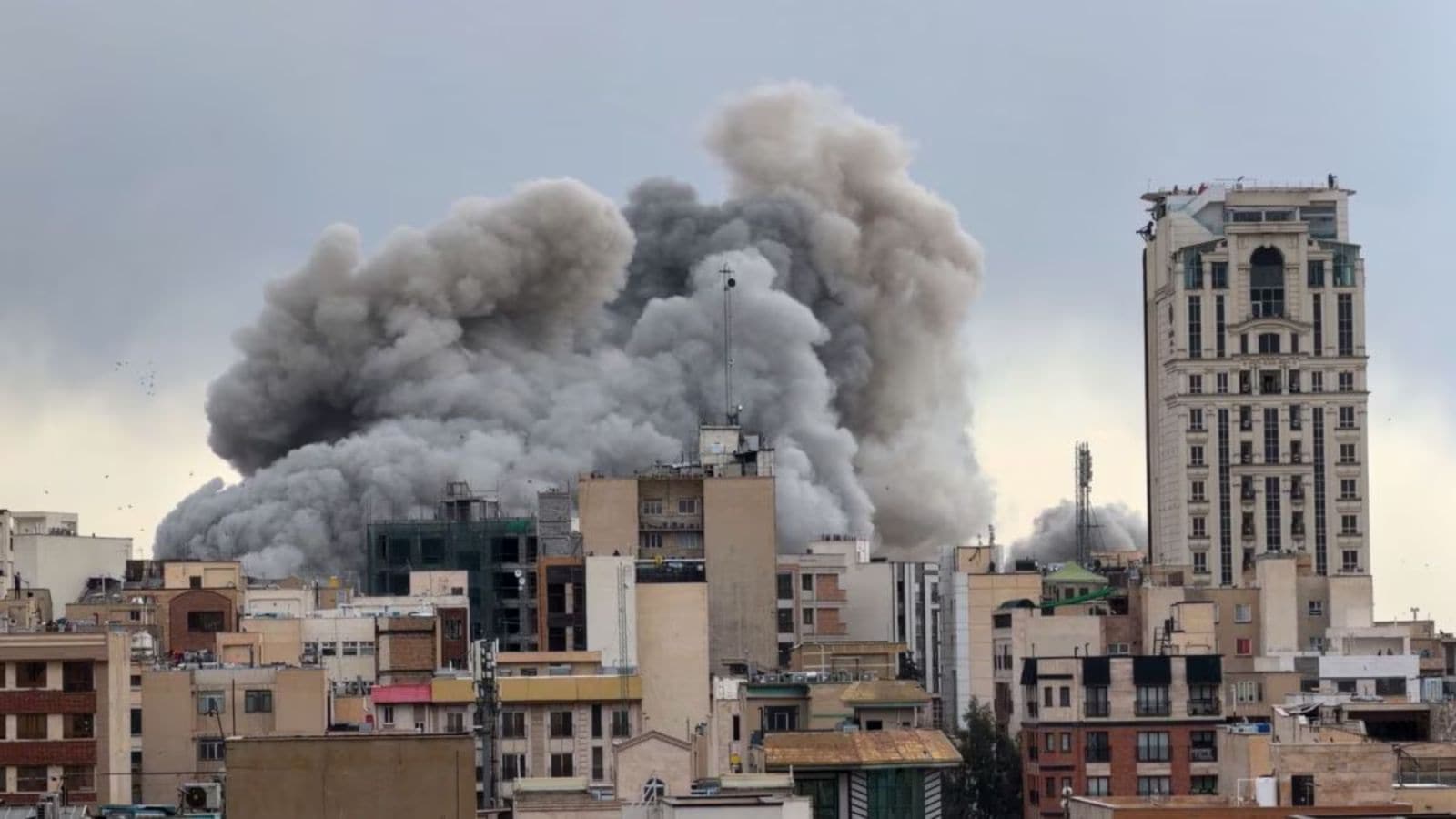
The Persian Gulf countries hold the largest population of migrant workers in the world. In most Gulf cities, 75-90 per cent of the population is made up of migrant workers, a staggering 35 million people, rendering the native Arab populations a minority. This demographic structure is central to understanding both the functioning of these economies and the scale of vulnerability created by the ongoing US-Israel war on Iran. The entire focus on securing global oil supplies has dangerously overshadowed the human cost of the war on the expatriates.
The migrant workers’ remittances to their home countries — mainly the Philippines, Bangladesh, India, Sri Lanka, Nepal, Indonesia, Sudan and Egypt — form a significant part of those economies. The majority of migrant workers in Gulf countries are from India; for every Emirati suffering the scourge of the war, there are at least three Indians suffering, and it is more or less so in other Gulf countries too. According to India’s Ministry of External Affairs, the Indian diaspora in the Gulf Cooperation Council countries stands at approximately 8.9 million, forming the largest expatriate community in the region; indeed, the largest community given the fact that the native populations are in the minority.

These expatriate workers have generally lived and worked in a fairly stable and largely friendly social environment, unlike migrants in the West, where there is a growing wave of xenophobia and hatred. Although it is also true that while the Gulf has produced several billionaires from among the migrants, many migrant workers also face violations of labour rights, often at the hands of expatriate employers. While migrants form the overwhelming majority in most Gulf cities, the threat to their safety and livelihood posed by the reckless war is not receiving the political attention that it deserves.
Today, these expatriate workers live in fear — fear for their lives and their livelihoods. The anxiety extends to their home societies in multiple countries. The political conversation frames the conflict in the region in terms of oil supply and global markets. However, the more immediate concern across Asia and Africa relates to the safety and livelihoods of family members working in these countries. Thousands are stranded, thousands have suffered losses, and hundreds of thousands have lost their jobs.
There is little tangible help from their diplomatic missions in times of crisis, nor are the missions able to provide their diaspora adequate support, given the scale of the populations. The failure of the negotiations moderated by Pakistan is tragic, but even here, there was no representation of the 35 million migrant workers and their safety issues. The absence of the United Nations from a central mediatory role was striking, particularly when the prevention and cessation of war constitute its primary mandate under Article 1 of the United Nations Charter. The dialogue has to continue, with the UN playing a pivotal role in bringing peace among its member states. As it is an Afro-Asian wide issue, the UN should speak on behalf of the millions of expatriate workers in the Gulf, and there is a compelling case for urgent diplomatic engagement. The US, Israel and Iran all have claimed victory, more as an indication of the willingness to end the war imposed on Iran.
I can also recognise the difficulty for the UN to engage in conversation with Israel, which has declared the UN Secretary-General as persona non grata, and their Permanent Representative has openly denounced the UN Charter by shredding it in the General Assembly and threatened to blow up the UN headquarters building. Dealing with Benjamin Netanyahu, who carries an arrest warrant issued by the ICC for genocide, may be problematic. Nevertheless, diplomacy should prevail, and dialogue, with the serious involvement of the UN, should be strengthened to end the war and secure lasting peace in the region.
Given the scale of its diaspora in the Gulf, India has a direct and substantial stake in the conflict. In economic terms, foreign remittance from GCC countries in 2024 was about Rs 4.6 lakh crore. However, there has been little concern expressed by the Union government about the safety of its diaspora; all the concern was about oil and gas supplies. At the same time, the government’s public posture, including the prime minister’s visit to Israel on the eve of the war, has created an impression of alignment with Israel — a country isolated on the global scene but for its partnership with the US.
The dominant focus on oil risks deflecting attention from a deeper and more immediate crisis affecting millions of migrant workers. The issue is not limited to energy markets. It concerns the safety of expatriate workers, the risk of unemployment, and the possibility of economic distress in their home societies. The consequences extend far beyond the territories of the parties directly involved.
The continued absence of effective intervention by the UN raises questions about the credibility of the UN system. The people around the world — the owners of the UN system — are increasingly losing faith in its ability to prevent or stop wars. A visible and sustained effort by the UN to bring the parties into dialogue, even if by strengthening the ongoing efforts, is imperative if the UN Charter has to retain its respect.
War is destruction. I was the negotiator for Principle 24 in the Rio Declaration of the UN Conference on Environment and Development 1992 that states that war is inherently destructive of sustainable development. The lethal conflict is causing immense destruction in the countries of the region and misery in several Asian and African countries.
The impact of the war extends beyond borders and beyond conventional perceptions of strategic interest. It affects the lives, livelihoods and economic stability of millions whose voices remain largely unheard. Any meaningful response must therefore place these concerns at the centre of international engagement.
The writer is an ecologist and UN environmental negotiator
