



6 min readApr 17, 2026 09:45 PM IST
First published on: Apr 17, 2026 at 09:45 PM IST
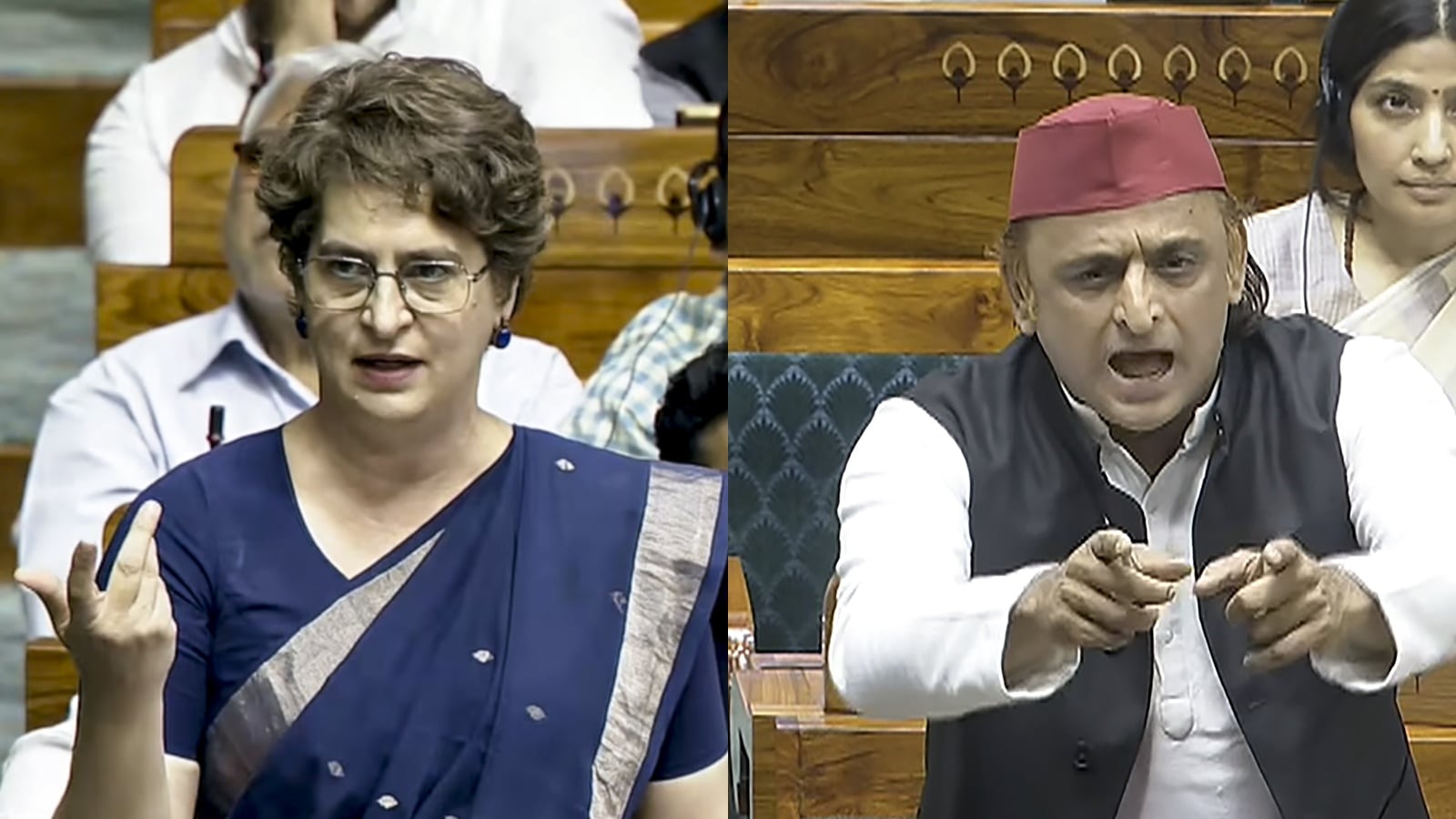
The defeat of the Constitution (One Hundred and Thirty-First Amendment) Bill, 2026, is an embarrassment for the government, a reminder of the potential of a united Opposition, and most importantly, a reprieve for a proper conversation over the Constitution.
The introduction of the Bill had all the hallmarks of the BJP’s governing style. This was yet another attempt to further a sense of what this column had described as a permanent revolution. The governing style of permanent revolution is to destroy the power of all countervailing institutions, break all restraints, and consolidate executive power. The manner of introducing this Bill signified this. A far-reaching constitutional Amendment, which would have deep implications for all constitutional bodies, the power of the Rajya Sabha, the constitutional status of the delimitation process, the transformation of federalism, and the character of the Lok Sabha, was introduced in a throwaway manner. It duplicitously linked delimitation and women’s reservation. The second feature of the permanent revolution is wresting personal ownership and credit for issues on which there is a wider political consensus. The one constant feature of Narendra Modi’s career as Prime Minister is that he has politically weaponised the issues of gender and sought to claim the moral and political high ground on those issues. In some areas of welfare and legal reform, these have yielded dividends. But these have also been accompanied by the normalisation of misogyny by the BJP. But these contradictions don’t matter to the permanent revolution. It wants to own every issue and use it as a weapon when needed.

The third hallmark of the permanent revolution is the constant need for mobilisation, in victory or defeat. In this case, as in so many others, a combination of hubris and unpreparedness led to defeat. But we also know in the past, for instance, in the moment of demonetisation, they can even turn hubris and incompetence into a rallying cry for mobilisation. One of the challenges for the Opposition is going to be to prevent the BJP from doing what it does best — play the aggrieved and hurt party, which casts the Opposition as obstructionist. And the final feature of the permanent revolution is institutional price discovery. Keep pushing the boundaries of what we think is possible within the current constitutional framework and see what you can get away with. Indeed, the most sinister aspect of this moment is how much the BJP’s experiments in Assam and Bengal, with delimitation and SIR, respectively, were part of this template. They have created a precedent for how much havoc can be caused to voters through different forms of institutional gerrymandering. In Bengal, it may backfire politically. But these are attempts to experiment with and acquire instruments that could be used to shape, control, and manipulate elections. Like demonetisation, they impose the most cost on the poorest of citizens in the name of abstract national interest: Tens of thousands having to rush to their home states from long distances to preserve their citizenship status. The courts did not put a stop to some of these measures. It is some relief that at least the Opposition was able to show the BJP that there are still limits to the project of permanent revolution.
This defeat allows a more sober reconsideration of important institutional and constitutional questions. But it has to be said, our constitutional discussion seems to be producing anomaly on anomaly, and not facing up to the internal tensions that arise out of the way we think of representation. For years, political parties have been trying to find pretexts for avoiding implementing their own commitments on reservation. This may be yet one more attempt to complicate matters. But the constitutional anomaly of trying to produce semi-proportional outcomes from a first-past-the-post system and the deepening of the rotation of reserved constituencies does put a strain on other principles of representation, including the rights of voters not to have their choices restricted by the identity of the candidate. Other ways of achieving this objective that would have displayed a more consistent logic — multi-member districts or party lists — were summarily thrown out. The anomaly of accepting the principle of caste reservations in one part of the political system while denying it in another, the tension between federal balance and the principle of the equal value of the vote, are all complex issues. The integrity of the delimitation process needs to be protected at all costs. They need to be dealt with by building consensus.
On balance, given India’s history and sensitivities, the federalism question and the balance of power between the Centre and the states have to be dealt with through consensus. But even here, three things have to be said. First, while linguistic imposition must be resisted and regional fairness in representation ensured, reducing the debate to regional antagonism risks legitimising the very ugly politics we ought to resist. The cultural trope of north versus south is dangerous and analytically unfounded. Second, at least on constitutional issues, considerations cannot be governed by which political party benefits in the short run. We need more principled arguments. And third, at all levels of government — state legislatures, panchayats, local urban bodies, Parliament’s functioning and procedures — we need to take a long, hard look at what form a genuine representative process should take.
The Opposition has won an opening. But if it is to continue the momentum on behalf of democracy, it will have to go into constant mobilisation and convince citizens that it stands for genuine democratic empowerment and institutional integrity. Discussions of democracy and institutions must now be rescued from the taint of opportunism and bad faith. The permanent revolution has been thwarted. But democracy is still in peril.
The writer is contributing editor, The Indian Express
