



5 min readApr 18, 2026 12:52 PM IST
First published on: Apr 18, 2026 at 12:52 PM IST
US stock markets, as of Friday, were soaring in the hope that the conflict between Iran and the United States was reaching a possible end. The market was also no doubt buoyed by this prospect, as well as the announcement of an Israeli and Lebanese ten-day ceasefire. The latter, of course, had been an explicit Iranian demand. The Iranian insistence, no doubt, was designed to spare one of its regional proxies, Hezbollah, from the relentless pounding that it was facing from the Israeli Defence Forces (IDF).
How long this stock market euphoria lasts is an open question, as there are a series of imponderables at various levels that could undermine this fragile peace. President Trump, with his propensity for hyperbole, had announced that Iran had agreed to hand over its entire stockpile of enriched uranium. He also asserted that this process would not involve the use of American troops. However, within a couple of hours of this claim, Iranian authorities categorically denied that they had agreed to any such arrangement. To muddle matters further, at least one reliable American news site, Axios, reported that Iran had agreed to hand over the enriched uranium in exchange for $20 billion in frozen assets. Trump, in turn, stated that no such agreement has been reached.

Meanwhile, in the United States House of Representatives, an effort to rein in the administration’s war-making abilities, invoking the post-Vietnam era War Powers Act, failed by a single vote. This, however, may change, as according to reporting in the New York Times, a small number of Republicans in the House are having some qualms about granting the President a carte blanche to continue this war.
Their concerns, with marked exceptions, do not stem from questions involving constitutional proprieties. Instead, many who are coming up for re-election in November have their eyes firmly cocked on spiralling prices and the President’s declining poll numbers. With large numbers of Americans reeling from the price of gasoline, which has reached a national average of $4 a gallon, inflation spikes are already underway. Consequently, if this war resumes, Trump may not be able to cow them from invoking the War Powers Act. However, given their abject fealty to Trump, this cannot be a foregone conclusion.
It is also worth bearing in mind that the Secretary of War, Peter Hegseth, is scheduled to testify before the House Armed Services Committee on April 29. It is already known that he is expected to seek a dramatic increase in the defence budget, asking for an unprecedented amount of $1.5 trillion. Democrats, without a doubt, will subject him to much scrutiny. They may also not be swayed from sharply questioning him despite the predictable attempts on the part of Republicans to portray them as weak on defence issues. Most Republicans, however, both because of their ideological beliefs as well as their loyalty to the President, are likely to sound sympathetic to the request to increase the budget.
Hegseth, for his part, is likely to make two arguments. He will emphasise war wastage and the consequent need to rebuild the arsenal. Simultaneously, he is likely to invoke the unwillingness of American allies to bolster the common defence against a range of enemies. If Hegseth and Trump have their way and receive supplementary funding that they have been seeking (in addition to the dramatic increase in the defence budget), it would be unwise to rule out a reprise of an attack on Iran based on some flimsy and dubious pretext. The war, which has now been paused, could well return with full force.
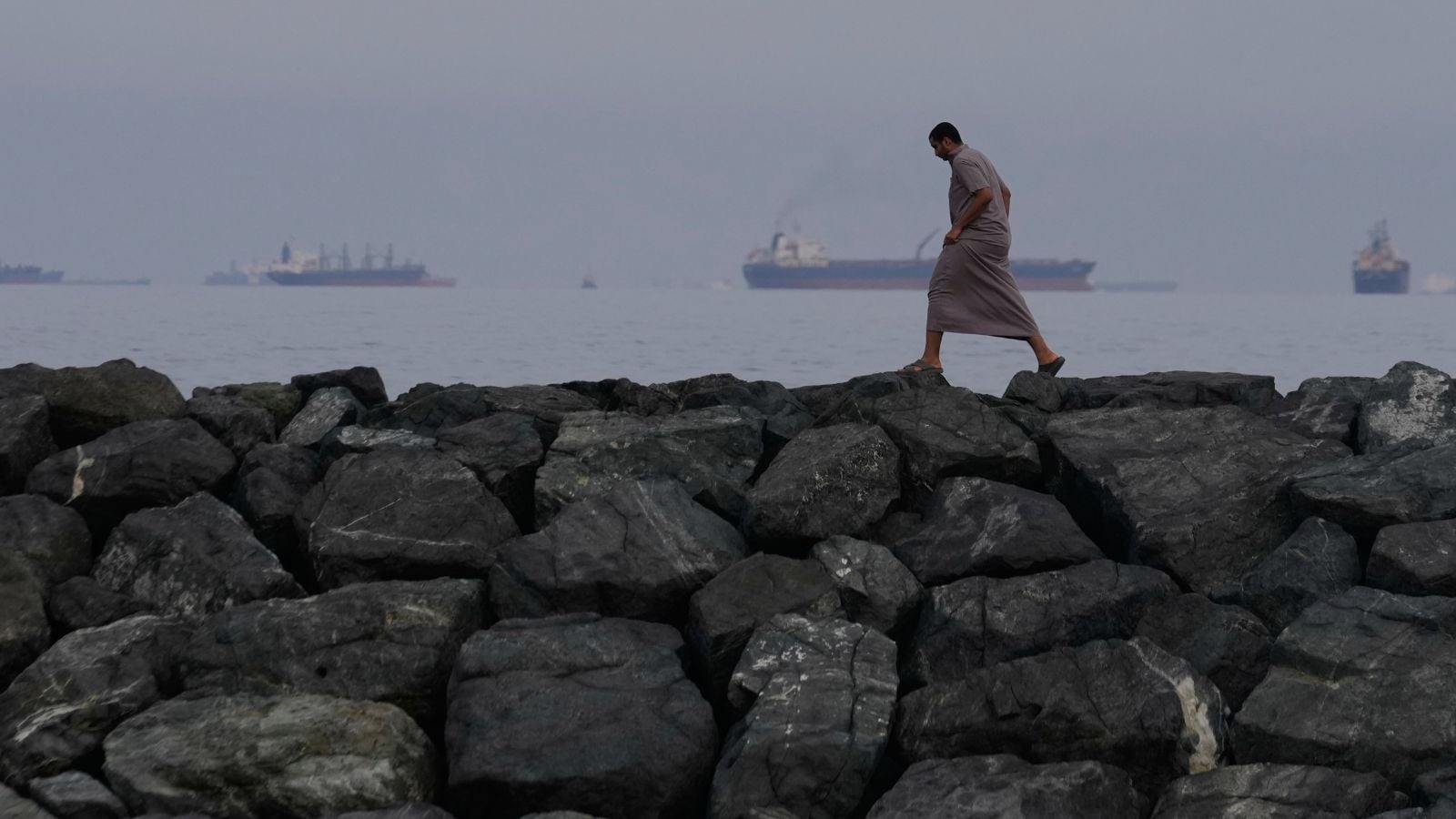
Other issues also add more uncertainty to this extremely muddled situation. Iranian authorities have stated that they have now opened the Strait of Hormuz. However, for some utterly inexplicable reason, Trump has sustained the naval blockade. With that flotilla in place, should some Iranian statement or demand pique him, Trump could well resume the conflict.
In the meantime, Field Marshal Asim Munir is in Iran with the imprimatur of the White House to help facilitate an end to the conflict. There are also rumours in the American press that US and Iranian negotiators may return to Islamabad soon despite the deadlock that emerged in the initial round of talks. Obviously, given the widespread adverse economic repercussions of this ill-conceived war, it is in the global interest that it ends as soon as possible. That fervent hope aside, it would be downright foolish to predict its imminent termination given the many imponderables involved.
The writer is a Senior Fellow and directs the Huntington Program on US-India Relations at the Hoover Institution, Stanford University
