



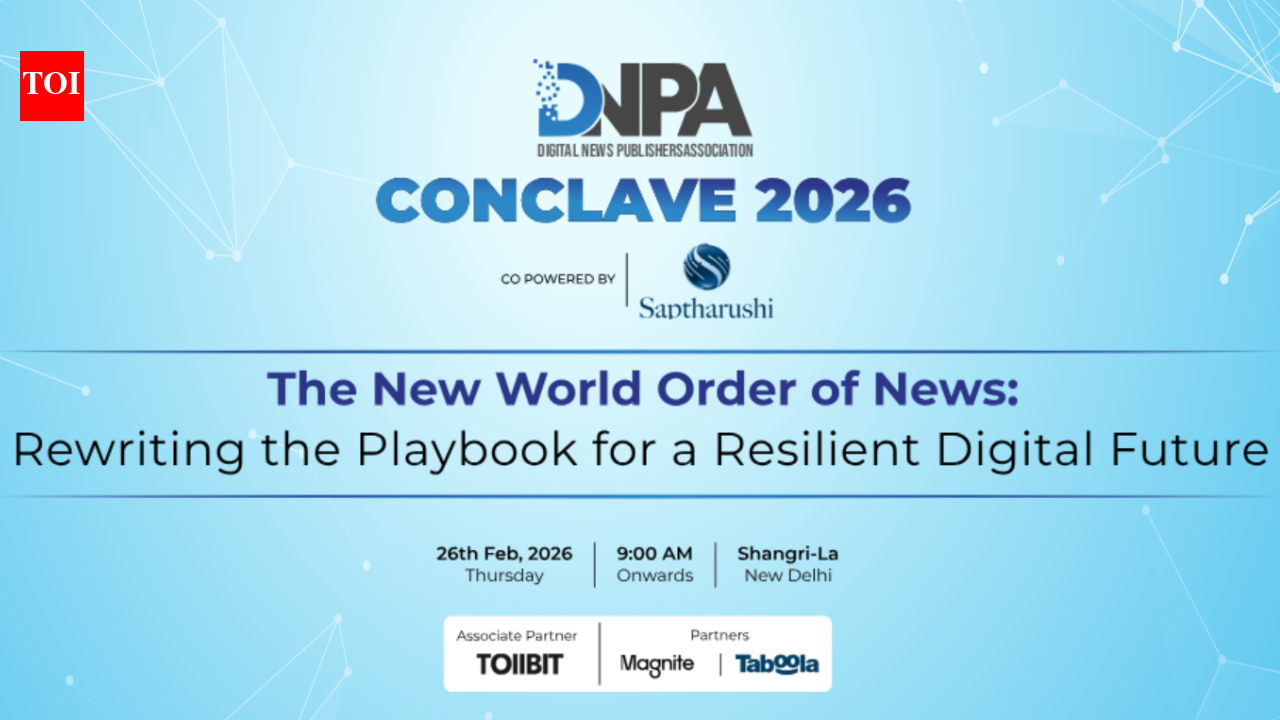
India’s digital public infrastructure is transforming the way citizens interact with the state, the economy, and each other. From governance and finance to identity verification, these systems operate at population scale, reshaping expectations around access, trust, and authentication. For the media industry, this is more than a technological shift, it is a redefinition of the role of news organisations within the ecosystem of digital citizenship.Digital infrastructure increasingly functions as public architecture, determining who can access information and how quickly. Newsrooms must navigate this landscape carefully, understanding that technology now shapes reach, availability, and audience engagement. Authentication and verification systems are establishing new norms for credibility, positioning aligned newsrooms to maintain audience trust in a world of information overload and misinformation.While these systems can broaden reach, they also carry risks of exclusion. Uneven connectivity, literacy gaps, and digital access can deepen divides if not accounted for. Media strategies that prioritise inclusion can ensure these systems expand opportunity rather than widen gaps.Against this backdrop, DNPA Conclave 2026 emerges as a pivotal forum for shaping the future of Indian journalism. To be held in New Delhi on February 26 under the theme “The New World Order of News: Rewriting the Playbook for a Resilient Digital Future,” the conclave will bring together policymakers, media leaders, and industry experts to examine the intersections of news, governance, and digital innovation.Through curated panels and expert-led sessions, the conclave will spotlight emerging trends, shared challenges, and strategic pathways for India’s digital news ecosystem. It will explore how news organisations can thrive in a landscape defined by large-scale public technology, trust-by-design systems, and inclusion imperatives.India’s scale and ambition have captured global attention. International observers view the country as a laboratory for integrating technology and public interest. For media organisations, this adds responsibility and opportunity. They operate under a global spotlight, translating public infrastructure into trusted news for millions. When technology becomes civic architecture, media becomes a stakeholder and not just a user. Engaging with this transformation is essential for credibility, relevance, and sustainable growth.Some years test resilience. Others test clarity. 2026 demands both but rewards only the latter. This is the year when industry leaders must decide what they stand for, how they operate, and whom they serve. It is the year the rules of the next media era will be written decisively.The Digital News Publishers Association (DNPA) represents leading digital media organisations across India. Committed to strengthening credible journalism, upholding ethical standards, and enabling sustainable growth, DNPA Conclave 2026 will be the stage where these defining questions are debated, directions are charted, and the future of Indian journalism takes shape.
