



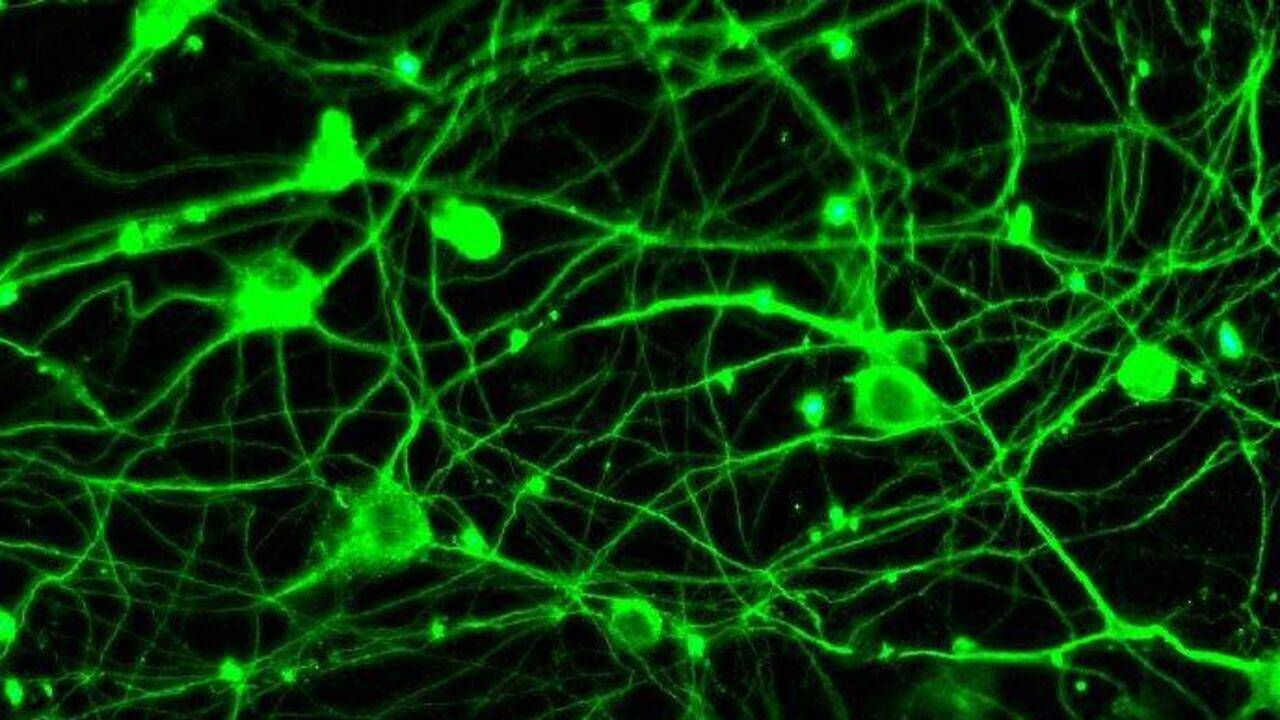

Lucknow: A chemical commonly found in everyday plastic items — from water bottles to tiffin boxes — may be quietly harming the brain’s ability to learn and remember, according to a new study conducted in the city.Researchers have found that bisphenol-A (BPA), widely used in food containers and packaging, can interfere with how brain cells produce and use energy. They warn that even tiny amounts of the chemical can leach into food — especially when plastic is exposed to heat or acidic conditions — and enter the body over time.The study, published in the Journal of Biochemistry in March, was led by Dr Rajnish Kumar Chaturvedi from the CSIR–Indian Institute of Toxicology Research (IITR), along with researchers Phoolmala, Saurabh Tiwari, Ranjeet Kumar Yadav and Shweta Singh Chauhan. The research is the result of nearly five years of work. It focuses on the hippocampus, a critical region of the brain responsible for learning and memory.“Our findings show that BPA disrupts mitochondrial movement inside neurons, which is essential for their proper functioning and survival,” said Dr Rajnish.He explained that common practices — such as pouring hot food, tea or milk into plastic containers, or storing sour items like lemon-based foods — can accelerate the release of BPA into food. “The exposure is small, but continuous. The damage builds slowly over time,” he said.To understand the impact, researchers conducted both cell-based experiments and animal studies, administering BPA in doses similar to what humans are exposed to through daily diet. After three months, noticeable changes began to appear.The animals showed a decline in learning ability and memory. Further analysis of brain tissue revealed that the formation of new neurons was reduced — a key factor linked to cognitive performance.Scientists traced this effect to disruptions in mitochondria — the “powerhouses” of cells that supply energy. In healthy neurons, mitochondria move constantly to where energy is needed. But BPA exposure damaged a key transport protein called kinesin, slowing this movement.“If the transport system fails, energy cannot reach the right place,” Dr Rajnish said, adding that “this affects how brain cells grow, connect and function.”Using advanced imaging, the team observed fewer mitochondria and weaker neural connections in exposed rats. The imbalance of key proteins further restricted movement inside cells, leading to damaged brain structure and reduced efficiency.The findings may also have implications for humans. Previous studies in countries such as China and Canada have reported higher BPA levels in children with a lower IQ or developmental issues, suggesting a possible link.“This study helps explain how such damage may occur at a cellular level,” Dr Rajnish said, adding, “Understanding the mechanism is the first step towards prevention.”In a promising development, researchers identified a compound called Kinesore that appeared to reverse many of BPA’s harmful effects in experiments. It restored energy flow within cells, improved neural connections and enhanced cognitive performance.“This suggests that targeting mitochondrial transport can help reduce the harmful effects of BPA on the brain,” he added.Experts say the findings are particularly relevant in urban environments, where plastic use is widespread and often unavoidable.Director of CSIR-IITR, Dr Bhaskar Narayan said the study underscores the need for greater public awareness. “Simple changes in how we use plastic can go a long way in reducing long-term health risks,” he said.At its core, the research points to a subtle but significant concern — that a chemical encountered in daily life may gradually shape how the brain learns, remembers and functions.
