




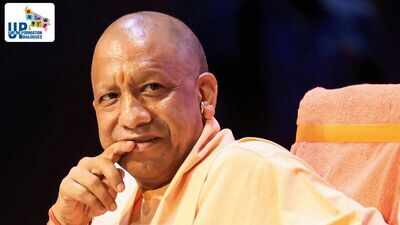
Under the leadership of Chief Minister Yogi Adityanath since 2017, Agra’s urban and economic landscape has undergone a visible transformation. His government prioritized infrastructure acceleration, heritage preservation, and planned urban expansion, moving the city beyond its traditional image as a tourism-centric destination. High-profile initiatives included a symbolic cleanliness drive at the Taj Mahal shortly after assuming office, alongside sustained efforts to improve civic amenities, curb pollution, and enhance visitor experiences. Major infrastructure push—such as the phased Agra Metro, extensions and upgrades to expressways (Yamuna and Agra-Lucknow corridors), airport terminal expansion, and highway widening—dramatically improved connectivity to Delhi-NCR and other key markets.In 2026, Yogi unveiled the ambitious ‘Greater Agra’ township plan as part of a ₹6,466 crore development package, incorporating new urban extensions, industrial and logistics nodes, and integrated townships under the Agra Development Authority to decongest the core city while fostering economic growth. Modelled on Greater Noida, this integrated urban initiative spans nearly 450 hectares (about 1,111 acres) with an estimated investment of over ₹5,142 crore. It envisions 10 self-sustained river-named townships featuring residential sectors, commercial hubs, institutional zones, green spaces, modern infrastructure, and plotted/group housing to accommodate 1.5–2.5 lakh people.Complementary measures like the ODOP scheme for leather/footwear and marble handicrafts, tourism infrastructure upgrades (including cultural projects like the Chhatrapati Shivaji Maharaj Museum), and policy incentives for MSMEs and leather clusters have strengthened local industries and employment. These interventions have modernized Agra’s governance, boosted investor confidence, and positioned it as a more livable, competitive, and diversified growth centre in western Uttar Pradesh.Agra district has solidified its position as a major economic driver in western Uttar Pradesh over 2017–2026, blending its iconic tourism heritage with robust growth in manufacturing, exports, infrastructure, and services. While comprehensive year-on-year district-level GDP (or GVA) data remains limited in public sources, Agra consistently ranks among Uttar Pradesh’s top contributors (around 3.5% of state GSDP in recent snapshots), supported by diversification beyond its traditional strengths.Economic Output (GVA/GDP)Agra’s economy has grown in tandem with Uttar Pradesh’s rapid expansion. The state’s GSDP surged from roughly ₹14.4 lakh crore in 2017-18 to projected figures exceeding ₹39 lakh crore by 2026-27, reflecting strong double-digit nominal growth in many years despite pandemic disruptions. Agra benefits from this momentum through its diversified base: tourism and services, leather/footwear manufacturing, handicrafts, trade, and logistics. It stands out as one of the leading districts alongside Gautam Buddh Nagar, Lucknow, and others, with steady GVA increases driven by MSME resilience and infrastructure-led connectivity.Exact district GVA figures are not always published granularly, but indicators like industrial output, tourist spending, and export earnings point to sustained expansion aligning with UP’s ambition toward a trillion-dollar economy.Tourism: A Resilient and Expanding PillarTourism remains Agra’s flagship sector, anchored by the Taj Mahal and the broader Golden Triangle circuit (with Delhi and Jaipur). Visitor numbers have rebounded strongly post-COVID, aided by infrastructure upgrades.•In FY 2024-25, the Taj Mahal attracted about 6.9 million visitors (6.26 million domestic + 0.645 million foreign), making it India’s most-visited centrally protected ticketed monument.•Annual figures often range from 7–8 million for the Taj alone in peak periods, with broader Agra drawing millions more to sites like Agra Fort, Fatehpur Sikri, and Itmad-ud-Daulah’s Tomb.Improvements such as the Agra Metro (phased rollout with elevated corridors and river bridges underway), upgraded railway stations, better roads, and enhanced civic amenities around heritage sites have boosted dwell time, hospitality, retail, and transport sectors.This has multiplied economic spillovers: hotels, restaurants, guides, souvenir sales (including marble inlays), and e-rickshaws/electric buses. Challenges like seasonal peaks, overtourism management (proposals to cap daily visitors), and heritage preservation persist, but overall footfall growth has significantly lifted local incomes and services.
Industrial Growth: Footwear and Leather Hub
Agra cements its status as India’s largest footwear manufacturing cluster. It produces hundreds of thousands of pairs daily (estimates range from 1.5–2 lakh+ pairs), with a mix of organized units, small-scale industries (~7,200 units noted), and artisan households.The cluster employs hundreds of thousands directly and indirectly (often cited in the range of 4–5 lakh+ across the ecosystem), supporting a significant portion of the local population.Production spans leather and non-leather footwear, with strengths in closed shoes, sandals, and components. It meets a large share of domestic demand (around 65% in some estimates) and contributes substantially to national exports (historically ~28%).Recent policies like the Uttar Pradesh Footwear, Leather and Non-Leather Area Development Policy 2025 aim to generate massive additional jobs through incentives.However, the sector faces headwinds such as raw material costs, US tariffs, and geopolitical disruptions affecting exports (annual export value often ₹3,000–4,000 crore to US/Europe).Exports: Global Reach of Local CraftsLeather footwear, marble inlay (Parchinkari/pietra dura), handicrafts, and engineering goods drive Agra’s export earnings. The ODOP (One District One Product) initiative has been pivotal, branding and promoting Agra’s leather/footwear and stone/marble engraving, providing branding support, skill upgrades, and market linkages that have helped units scale and access global buyers.Marble handicrafts benefit from Mughal-era expertise but face periodic export slumps (e.g., to West Asia). Overall, these sectors have enhanced foreign exchange inflows and employment for artisans, though challenges like formalization, quality standards, and supply chain issues remain.Infrastructure: Connectivity as a Growth Catalyst. Major projects have transformed Agra’s accessibility:•Yamuna Expressway (Greater Noida to Agra) slashed travel times, boosting tourism, logistics, and real estate. Agra-Lucknow Expressway and other highway widenings improved links to eastern UP and beyond.Ongoing Agra Metro development, urban transport upgrades, and railway enhancements have reduced congestion and encouraged investment.These have spurred logistics hubs, industrial spillovers, and peri-urban development, making Agra more attractive for investors and integrating it better with Delhi-NCR markets.
Employment: Broad-Based Opportunities
Growth across tourism, MSMEs, footwear, hospitality, construction, and logistics has created substantial jobs in urban and surrounding areas. Footwear alone supports lakhs of workers (skilled/unskilled, including many in informal/artisan setups), while tourism multipliers affect retail, transport, and services. New policies target further job creation in leather clusters. Challenges include skill gaps, informal employment conditions, and vulnerability to external shocks, but overall, these sectors have reduced migration pressures and supported inclusive growth. In summary, Agra’s economy has diversified meaningfully from 2017–2026.Tourism retains its dominance and cultural draw, but manufacturing competitiveness (especially footwear), export orientation via ODOP, infrastructure leaps, and MSME vitality have broadened the base. This positions Agra strongly to contribute to Uttar Pradesh’s economic ambitions, though sustaining momentum will require addressing global trade risks, environmental concerns, skill development, and balanced urban-heritage management. Continued policy focus and investment could unlock even greater potential in the coming years.
