



Three hundred and two years ago, a monument was erected in Delhi, the name of which means “instrument used for calculation”. “Jantar” comes from “yantra”, meaning instrument, and “mantar” comes from “mantrana”, meaning “to consult” or “to calculate”. What we witnessed near that monument in the last few weeks was a regime bereft of any instrument to calculate the ferocity of the storm that originated in the virtual world thousands of miles away, and advanced at uncontrollable speed to damage a delusional world of hubris. It broke many a pillar known for not bending and left a supposedly invincible establishment bruised and resigned.
If there is one word that defines the relationship between citizens and their elected representatives in a democracy, it is trust. That trust is not only between elected representatives and those who elected them but also with everyone else in the constituency. Once elected, the representatives must earn the trust of their constituents who depend on them to fulfil their expectations. At the same time, those in power, whether elected or appointed, can serve the people fairly only if they have empathy.

The Erosion of Institutional Empathy and Civic Trust
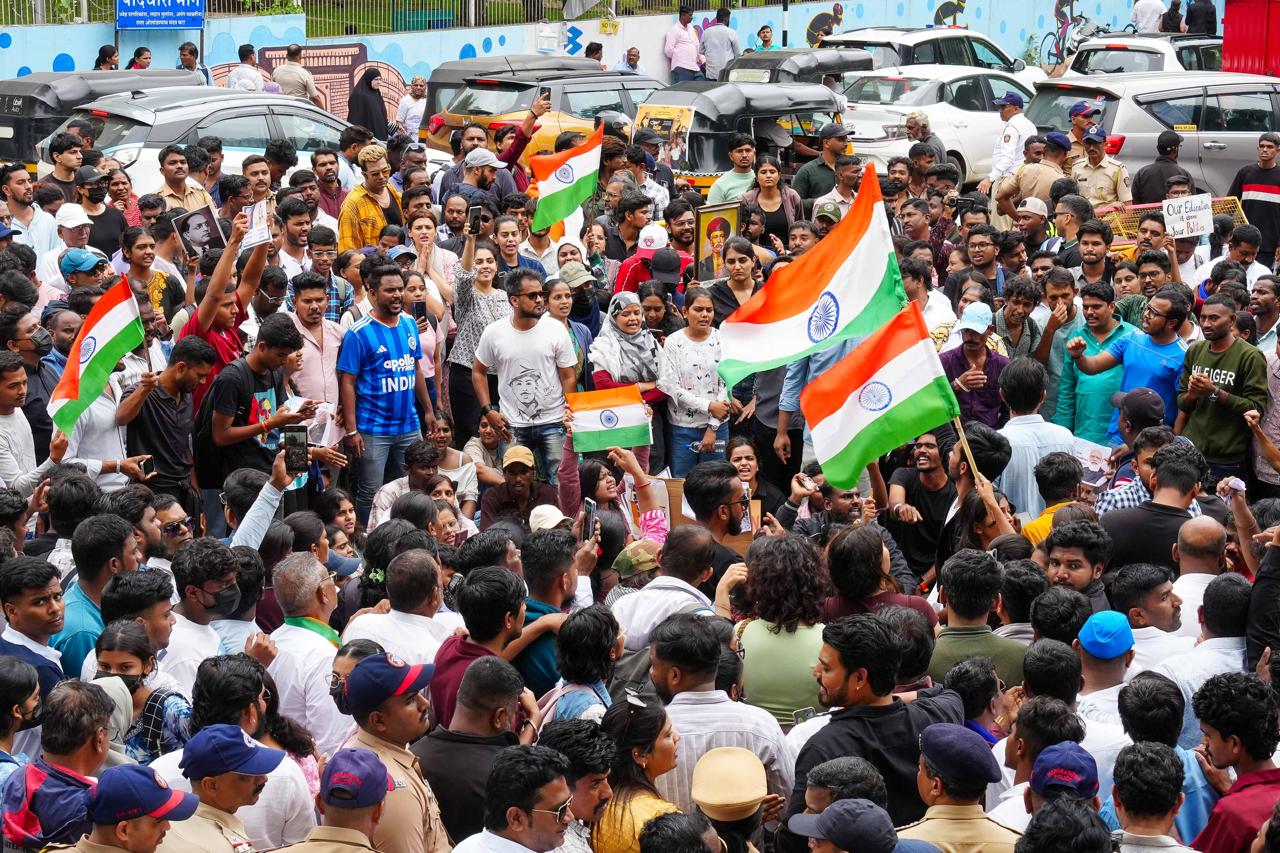
The protests in the national capital and other parts of the country spearheaded by students show a complete absence of both trust and empathy. Every protest is the result of a breakdown of trust caused by the lack of empathy on the government’s part. This insensitivity was evident not only in the manner in which the police dealt with the protesters but in the way in which the government reacted to the problems highlighted by the students. Those in positions of authority, including the judiciary, must learn to hear the voice of the people before they are compelled to scream. In fact, governments must have the capacity to “hear” those who cannot speak, those who have no voice. Ignoring this has caused many a storm in the past, and will do so in the future.
The anatomy of any agitation reveals four principal parties: Agitators, political parties, the law and order machinery, and the silent majority. Whenever a protest gathers steam and turns into a vociferous agitation without the government feeling the heat, it is bound to spill into the streets and suck in those perceiving themselves as victims of injustice. Often, governments ignore this momentum and allow the agitation to either exhaust itself or turn ugly so it gets discredited. It is a standard tactic for inconsiderate governments to let such protests become law and order problems so that the state machinery, and not the political authorities, have to deal with them.
The state agencies, such as the police, have their own methods to manage such agitations, including allowing them to turn riotous suo motu or by mischievous, faceless infiltrators. As poet Krishan Bihari Noor said, “Jiske karan fasaad hote hain, uska koi ata-pata hi nahin”. Thus, the responsibility of dealing with popular anger shifts from those responsible for bringing about change to those whose duty is to maintain order. Meanwhile, the silent majority watches the drama from a distance, either sympathetic but lacking courage, or aligned with the rulers and indifferent to the cause of the protest.
The State Calculus and the Defiance of Irreverent Youth
Because of the students and the youth, people got vicariously associated owing to their emotional relationship with the protesting youth. The ruthlessness shown by the police in subduing them evoked large-scale condemnation. Such brutality becomes the default response of those wielding arms when they see the government forsaking the political initiative. In fact, the government’s indifference was perhaps a signal to the police to handle it in the only way they are trained to. The sudden shift in the Police Commissioner signalled the government’s intent, and the removal of Sonam Wangchuk, wrapped in white sheets, exposed its devious design.
The mass upsurge upset the plan. The government didn’t realise it was dealing with protesters who were defiant not because they were rebellious but because of their irreverence for authority. The source of their strength was a careless courage that made light of braving the odds. They mocked authorities in a way that frustrated the might of the state. After all, the movement itself was the result of their being mocked by a supreme judicial authority, who later explained the context of the comment, but by then the malevolent seed had been sown. Fortunately, the government realised it was dealing with cockroaches that can’t be easily crushed.
An effective protest should never be wasted, as it contains lessons for all the stakeholders.
First, people must learn to speak without being scared of those they elected as their representatives. Democracy is not a “form of government” achieved because of the provisions in the Constitution; it is to be practised daily, beyond the day of the polls, every succeeding day by seeking accountability with greater vigour and authority.
Secondly, those wielding force must realise that such events eventually leave them discredited as political leaders use them as scapegoats, creating more ill will between them and the people. Thirdly, those elected must not pretend to be “sevaks” because sevaks seldom have inflated egos and arrogance. If those in power remain deaf to people’s demands, they will be made to eat the humble pie in the long run. The government must fulfil all commitments to the agitators sincerely, including revamping the education and examination system. The process of withdrawing FIRs filed must begin at once. Those who participated in the agitation shouldn’t be penalised, not only by not filing fresh cases but also by ensuring that this is not used against them at the time of police verification for government jobs or when they seek passports. Finally, what augurs well for democracy is that if a chaiwala can rise to the top, people’s power can throw up relatively unknown challengers who can bring the powerful to their knees.
In a democracy, it may not be enough to win the battle of the ballot. All battles are eventually won at the negotiating table, sometimes by gracefully accepting defeat.
The writer is a former election commissioner
