



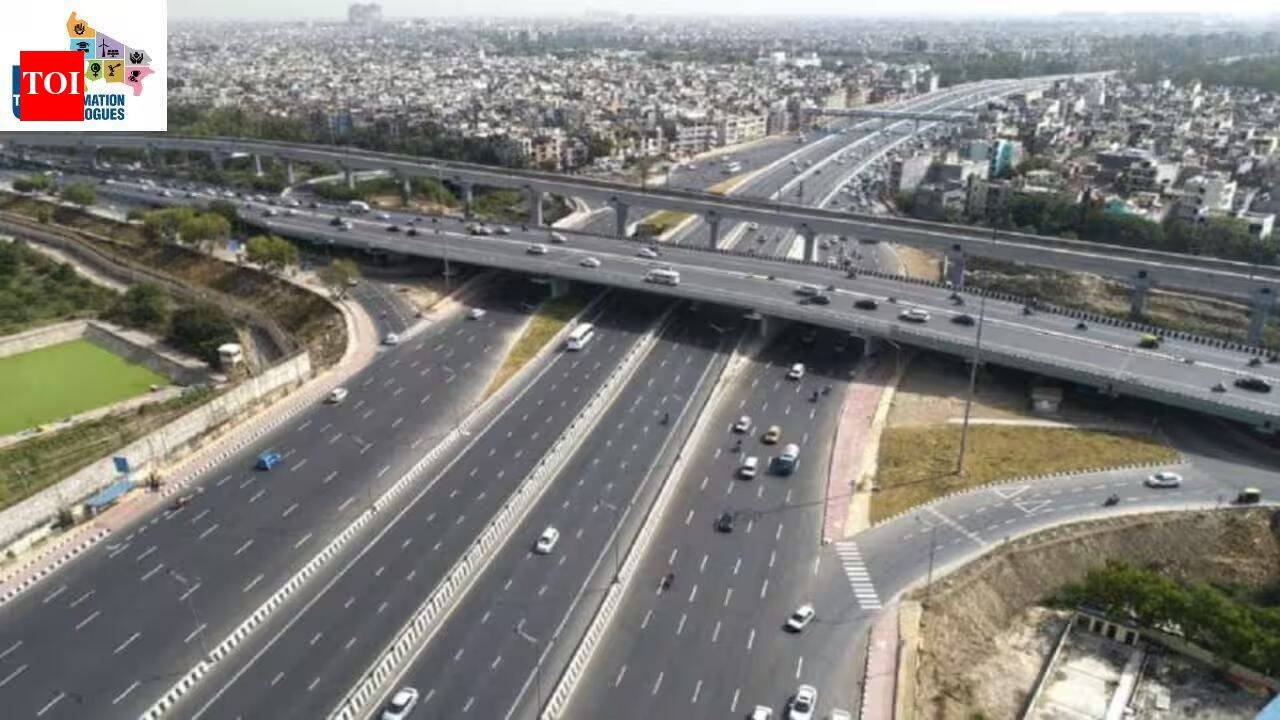
Over the past nine years, Baghpat—a western Uttar Pradesh district in the National Capital Region (NCR) with deep historical roots linked to the Mahabharata era—has undergone a remarkable economic and infrastructural transformation. Once primarily known for its agrarian economy, sugarcane cultivation, and pockets of traditional weaving, the district has evolved into a promising industrial and connectivity-driven growth centre. This shift aligns with Uttar Pradesh’s broader district-centric development strategy under the Yogi Adityanath government, emphasising infrastructure, the One District One Product (ODOP) scheme, MSME promotion, investment attraction, and improved governance.Infrastructure as the Foundation of ChangeImproved connectivity has been the single biggest catalyst. The inauguration of the Eastern Peripheral Expressway in May 2018 linked Baghpat more seamlessly with Delhi and surrounding regions. The Delhi-Dehradun Greenfield Expressway has further shortened travel time to Delhi’s Akshardham area to roughly 20–25 minutes. The district now benefits from four national highways and an expressway network, with reports noting that a national highway or expressway now passes near every third village.This has reduced logistics costs, facilitated market access for farmers and manufacturers, and attracted industrial interest. Compensations exceeding ₹800 crore were distributed to farmers for land acquired for these corridors. Rural road connectivity has also expanded significantly under schemes like PMGSY, with hundreds of kilometres constructed in the district. Master planning efforts, including the Baghpat Master Plan 2031, aim to organise urban growth in areas such as Khekra, Baraut, and Baghpat town, with dedicated industrial zones and a proposed smart township.ODOP: Elevating Traditional StrengthsThe One District One Product (ODOP) scheme, launched statewide in 2018, has been transformative for Baghpat. The district’s primary ODOP product is ‘Home Decor/Home Furnishing products’-including bedsheets, carpets, curtains, pillow covers, doormats, tablecloths, and related textiles—concentrated especially in the Khekra belt. Traditional handloom weaving has increasingly shifted toward power looms, boosting productivity while retaining craftsmanship.These products now reach domestic markets across states and are exported. Baghpat Home Furnishing has also secured a Geographical Indication (GI) tag, enhancing branding and market value. Later additions under ODOP include agricultural implements and related accessories, reflecting the district’s dual agrarian-industrial character. Support under ODOP—skill development, toolkits, margin money schemes, common facility centres, marketing assistance, and e-commerce linkages—has helped artisans and small entrepreneurs scale operations. Informatively, ODOP has generated over 3.16 lakh jobs and substantially contributed to Uttar Pradesh’s export growth (from around Rs 86,000 crore in 2017–18 to nearly Rs 1.86 lakh crore by 2024, with ODOP products forming a major share) statewide.In Baghpat specifically, more than 22,000 micro industries employ over 66,000 people, with textiles and home furnishing forming a key cluster.Economic Indicators and SGDP/GSDP ContextBaghpat’s contribution to the state’s economy remains modest compared to larger industrial districts, but absolute growth is quite evident amid Uttar Pradesh’s overall surge. UP’s Gross State Domestic Product (GSDP) rose from approximately Rs 13.3 lakh crore in 2016–17 to Rs 30.25 lakh crore in 2024–25 (with a CAGR of about 10.8 percent and recent annual growth around 13.4 percent ). Per capita income has also improved significantly during the last 9 years.District-level data (Gross District Domestic Product or SGDP/GDDP equivalents) place Baghpat’s output at around Rs 8,383 crore in recent estimates available on official investment portals. The Distrcit contributes significantly to the economy of the state improvements in industrial investment, MSME activity, agricultural value addition, and connectivity point to rising local economic activity. Agriculture remains foundational (sugarcane is prominent, supported by timely payments to farmers and schemes like PM-Kisan), but diversification into manufacturing, food processing, and services is accelerating.Major recent investments underscore this shift
- Amul (
Banas Dairy ) dairy plant: Investments reported in the range of Rs 600–800 crore, located near Bali village or Mitli, with high milk processing capacity. It is expected to create direct and indirect employment and benefit thousands of dairy farmers. Bimbo Bakery (Grupo Bimbo): A major bakery manufacturing unit with proposed investment of around Rs 500–550 crore across 20 acres, generating hundreds of jobs.- Expansion of the Baghpat Cooperative Sugar Mill (after decades), increasing crushing capacity and benefiting tens of thousands of sugarcane farmers.
- Broader industrial zoning efforts by
UPSIDA , including a large notified industrial area, positioning Baghpat as an emerging NCR industrial hub with competitive land costs and superior logistics.
Broader Socio-Economic ProgressLaw-and-order improvements have enhanced the district’s image and investor confidence. Health coverage under Ayushman Bharat has been strong, with Baghpat emerging as a top performer in Uttar Pradesh (over 94 percent of targeted families covered and claims exceeding Rs 123 crore in one recent update). Housing under PMAY, sanitation under Swachh Bharat, rural employment works, and education infrastructure (new ITIs, colleges, and a planned medical college) have expanded. Initiatives for women’s empowerment and skill development further support inclusive growth. Tourism and cultural assets, such as temple renovations (e.g., Pura Mahadev) and a proposed international yoga and wellness centre, add new dimensions.Progress AheadBaghpat’s transformation over the last nine years illustrates how targeted infrastructure, product-focused schemes like ODOP, and investment facilitation can convert a relatively underdeveloped NCR district into a growth node. Challenges remain—balancing industrial expansion with agriculture, ensuring skill alignment for local youth, and sustaining environmental safeguards—but the trajectory is clear. With ongoing expressway benefits, dairy and food processing investments, a strengthened home-furnishing cluster, and planned urban-industrial development, Baghpat is steadily positioning itself as a modern, employment-generating district contributing to Uttar Pradesh’s ambition of becoming a $1 trillion economy.The story of Baghpat is one of connectivity unlocking potential, traditional skills meeting modern markets, and district-level focus driving broader state progress.
