



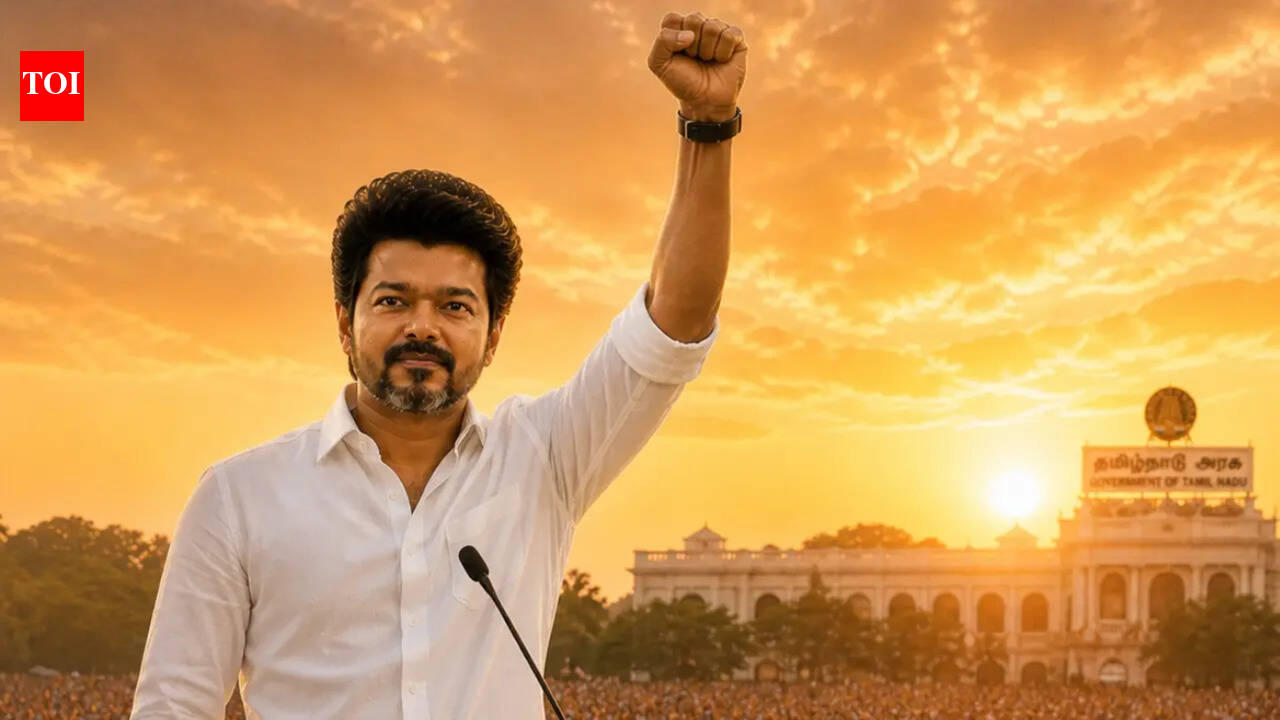
The political landscape of Tamil Nadu has more often than not been shaped by the silver screen, and several successful stars have used it as a launchpad for leadership. From the ideological scripts written by M Karunanidhi to the messianic aura of MG Ramachandran (MGR), cinema has served as a primary vehicle for socio-political transformation in the state.On May 4, this long-standing tradition has led to the rise of Vijay and his party, the Tamilaga Vettri Kazhagam (TVK), emerging as the single largest force in the state assembly, leading to a scenario where the the state, which has had five Chief Ministers from the film industry so far, could get its sixth from cinema as well.
While history suggests a familiar trajectory, Vijay’s rise is a different beast entirely. Unlike his predecessors — who often served apprenticeships within established political dynasties or were mentored by political godfathers — Vijay bypassed the traditional gatekeepers. He transformed his massive fan base not just into a vote bank, but into a highly disciplined, data-driven political machine. His victory is a “big deal” because it represents the first successful, wholesale conversion of modern digital fandom into a grassroots administrative power structure. He hasn’t just inherited a legacy; he has engineered a disruption, proving that in the age of social media, the screen is no longer just a source of entertainment — it is a launchpad for total political control.Cinema as politics: The scripted riseActor Vijay’s rise to the centre of Tamil Nadu’s political conversation was carefully incubated in cinema under the guidance of his father, SA Chandrasekhar, a filmmaker known for socially rooted narratives. More than introducing him, Chandrasekhar methodically shaped Vijay’s trajectory. When his debut Naalaiya Theerpu (1992) failed to register, he cast his son alongside Vijayakanth — the third biggest star in Tamil cinema at that time after Rajinikanth and Kamal Haasan — in Senthoorapandi (1993), leveraging the latter’s mass base to establish visibility.Through his formative years, Chandrasekhar directed several of Vijay’s films, crafted his early screen persona, and conferred the title ‘Ilaya Thalapathy’, a strategic nod to Rajinikanth’s 1992 film Thalapathy. Script choices steadily evolved — from the affable boy-next-door to a full-fledged mass action hero. Just as crucially, he reorganised Vijay’s fan clubs into welfare associations, laying the groundwork for a loyal grassroots network. Even after a fallout with his father, Vijay stayed aligned with that blueprint, choosing films that reinforced his mass appeal while embedding political and social themesFollowing the MGR blueprint
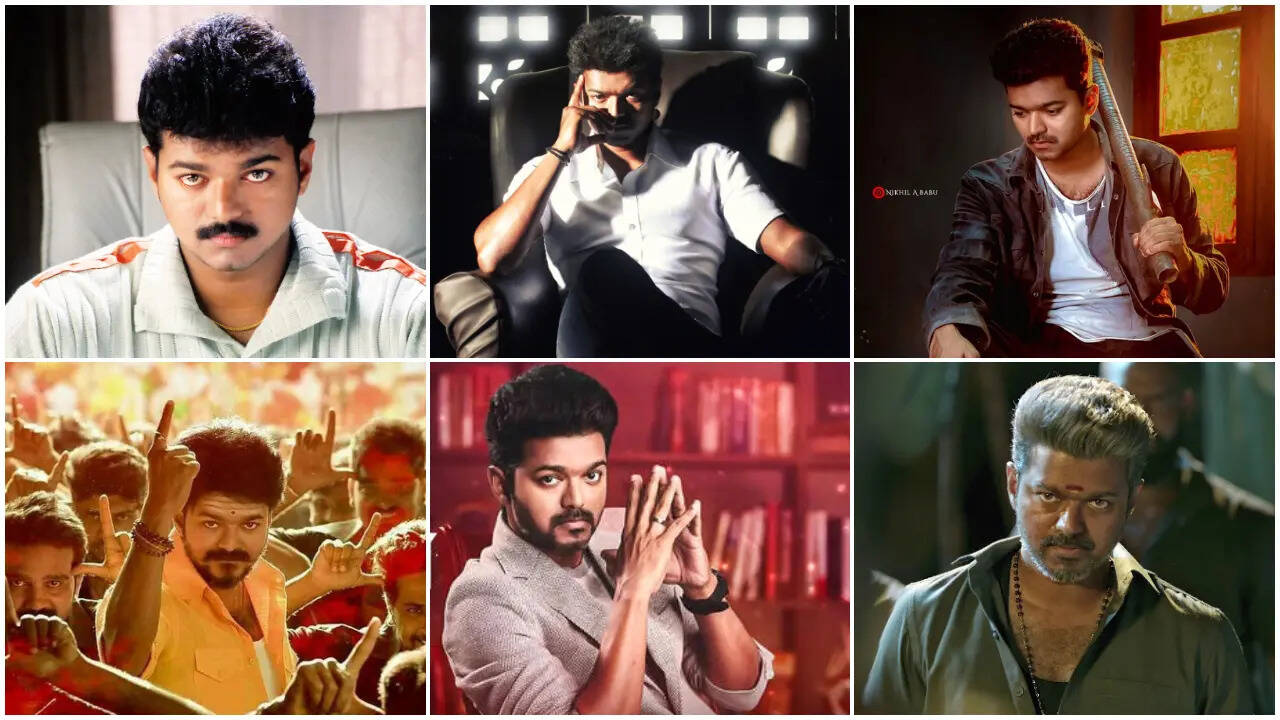
Throughout his film career, Vijay consciously adopted subjects that mirrored the late chief minister MGR’s on-screen persona — the messiah for the poor. Much like MGR, Vijay began selecting films that acted as ideological groundwork for his eventual political entry. His career is defined by socially conscious roles in films, including:Thamizhan (2002): Brought awareness to people about their legal rightsThalaivaa (2013): Spoke about unity in diversityKaththi (2014): Addressed farmers’ distress and corporate exploitationMersal (2017): Exposed corruption within the healthcare systemSarkar (2018): Critiqued electoral manipulation and highlighted the power of a single voteBigil (2019): Championed women’s sports and empowermentThe Gen-Z effect: New-Age political mechanicsWhile Tamil Nadu’s history of “Cinema-to-CM” is well-documented, Vijay’s methodology represents a stark departure from the traditional, mass-rally model of the past. By merging his cinematic brand with a professionalised political engine, Vijay has effectively bridged the gap between reel and real. He has proven that the “Tamil Nadu model” of politics is not fading — it is simply evolving for the digital age.Fan clubs as infrastructure: He effectively weaponised his fan clubs, turning them into a structured, volunteer-driven network that mirrors a party cadre. This provided him with instant, boots-on-the-ground capability that new political entrants usually take years to build.The ‘mystique strategy: Unlike older stars who were hyper-visible, Vijay maintained a calculated, almost ascetic distance. By staying out of the public eye until the exact moment of launch, he maintained a “mystique” that fueled intense media and public speculation, ensuring that when he did speak, the impact was magnified.Digital-first engagement: He bypassed traditional media gatekeepers, leveraging social media to mobilise youth and first-time voters, who are disillusioned with legacy political parties.What Vijay did differentlyBuilt a grassroots network before formal entryMaintained message consistency through filmsAvoided premature political announcementsFocused on youth and first-time votersThe film celebs who ruled TN:CN Annadurai
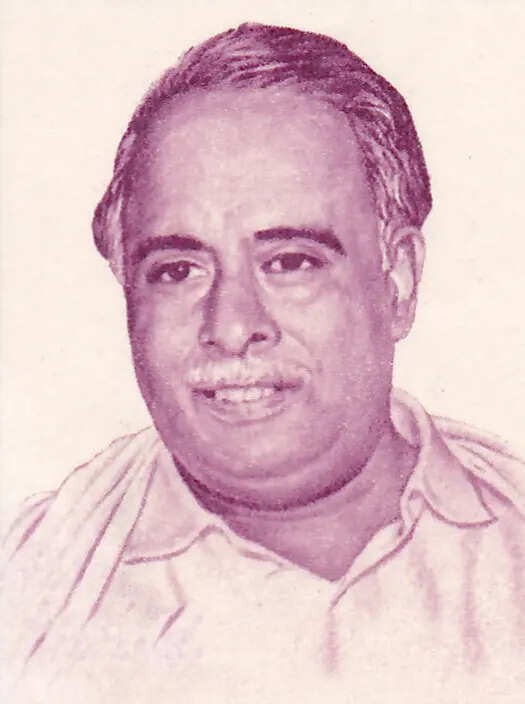
Annadurai, fondly called Anna, began his journey in the 1940s with theatre and later cinema, writing socially charged scripts that carried the ideals of the Dravidian movement to the masses, in films like Velaikari. He founded the Dravida Munnetra Kazhagam (DMK) in 1949, and realising the potential of cinema in influencing public opinion, groomed MG Ramachandran and Karunanidhi, who had had their breakthrough in films in the 1950s. In 1967, he led the DMK to victory and became Tamil Nadu’s first Chief Minister from the film industry.M Karunanidhi
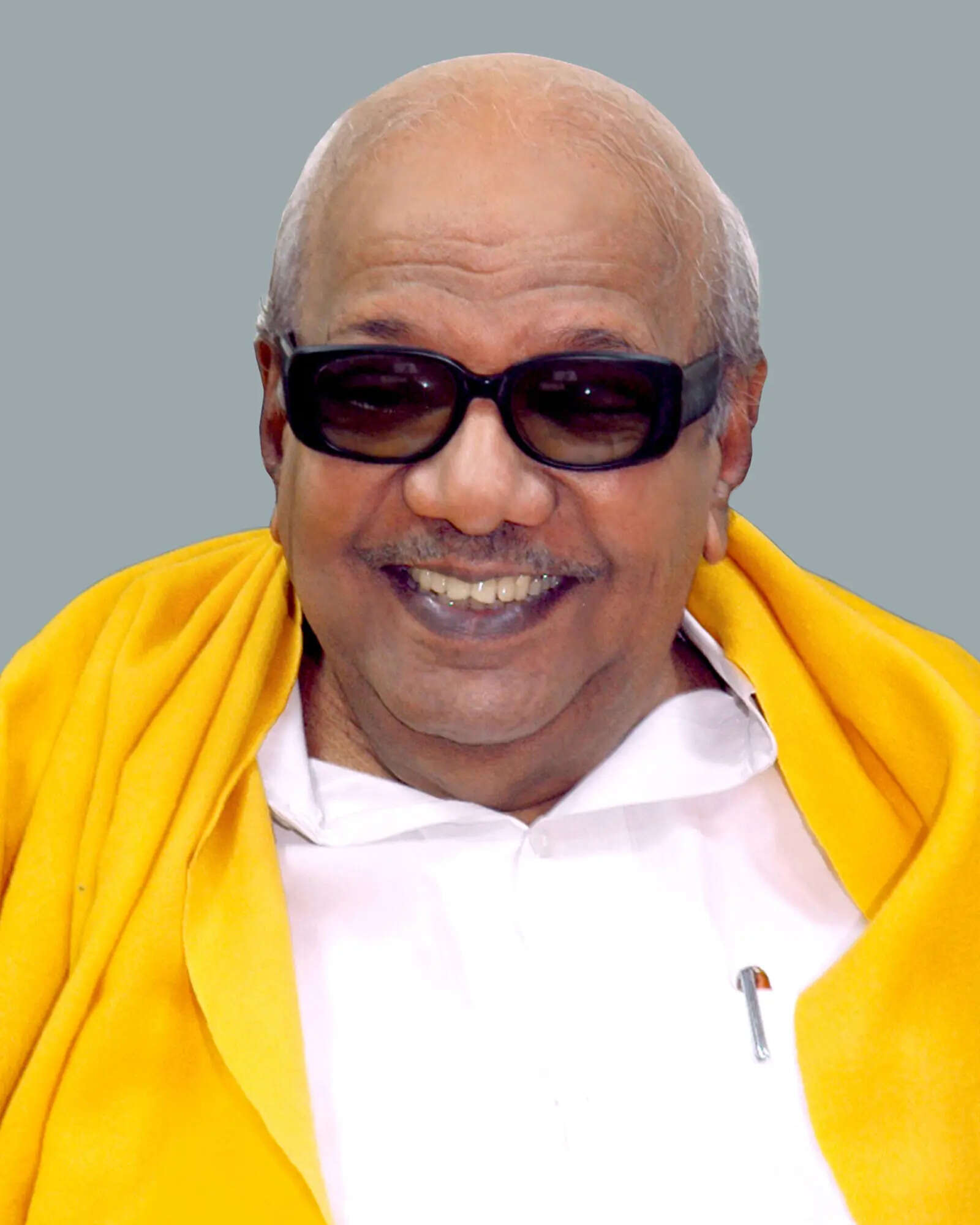
M Karunanidhi entered Tamil cinema in the late 1940s as a dialogue writer, quickly gaining prominence for his sharp, ideological writing. His work in Parasakthi was a turning point, shaping political discourse through cinema. A key figure in the DMK, Karunanidhi, who was referred to as Kalaignar by his followers, assumed leadership of the part after Annadurai’s death, and became Chief Minister in 1969, marking the start of a long political career that saw him in the CM’s chair five times.MG Ramachandran
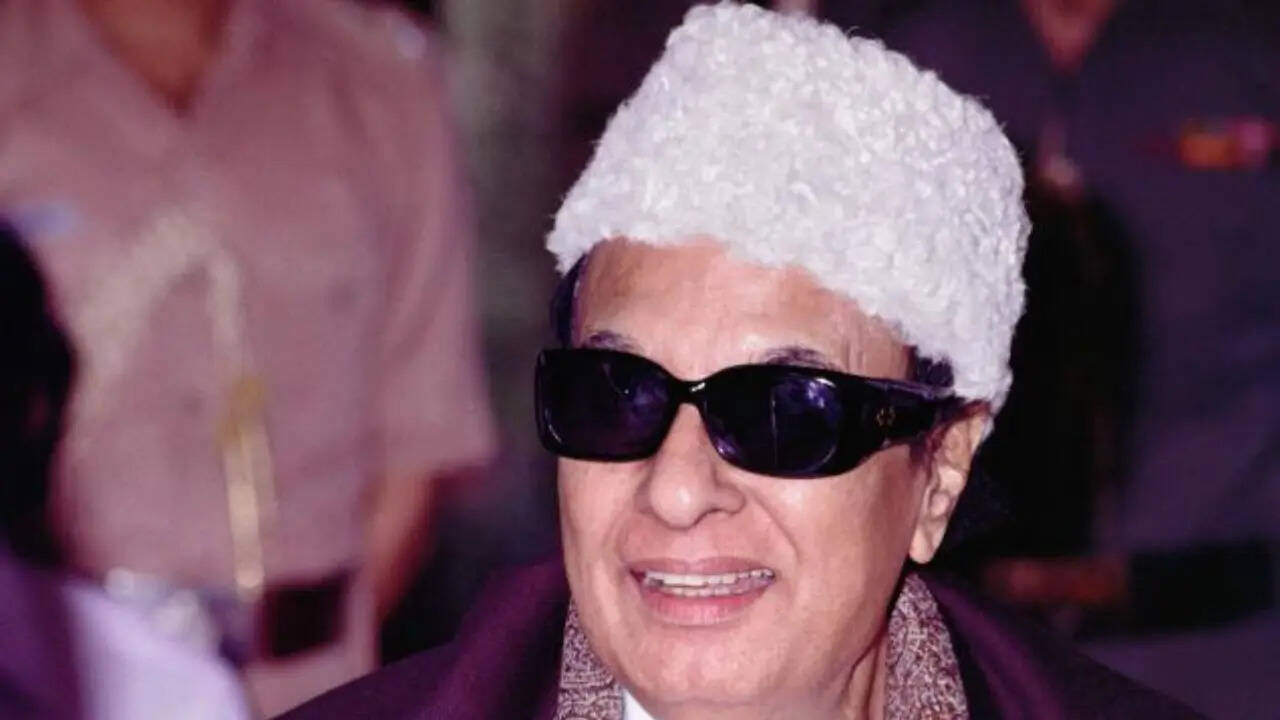
MG Ramachandran (MGR) began acting in the 1930s and rose to superstardom by the 1950s and 60s, with films like Ayirathil Oruvan reinforcing his image as a champion of the poor. Roped into the DMK by Anna in 1953 to leverage his screen popularity in politics, he split from the party in and founded the All India Anna Dravida Munnetra Kazhagam (AIADMK) in 1972, and became Chief Minister in 1977 registering a win, and followed it up by winning the next two elections as well — a historic feat yet unmatched in the state.VN JanakiVN Janaki had a career in Tamil cinema during the 1940s and 50s before stepping away after her marriage to MGR. She remained largely out of public life until his death in 1987, when she was drawn into politics amid a split in the AIADMK. Backed by one faction, she became Chief Minister in 1988, though her tenure lasted only briefly.J Jayalalithaa
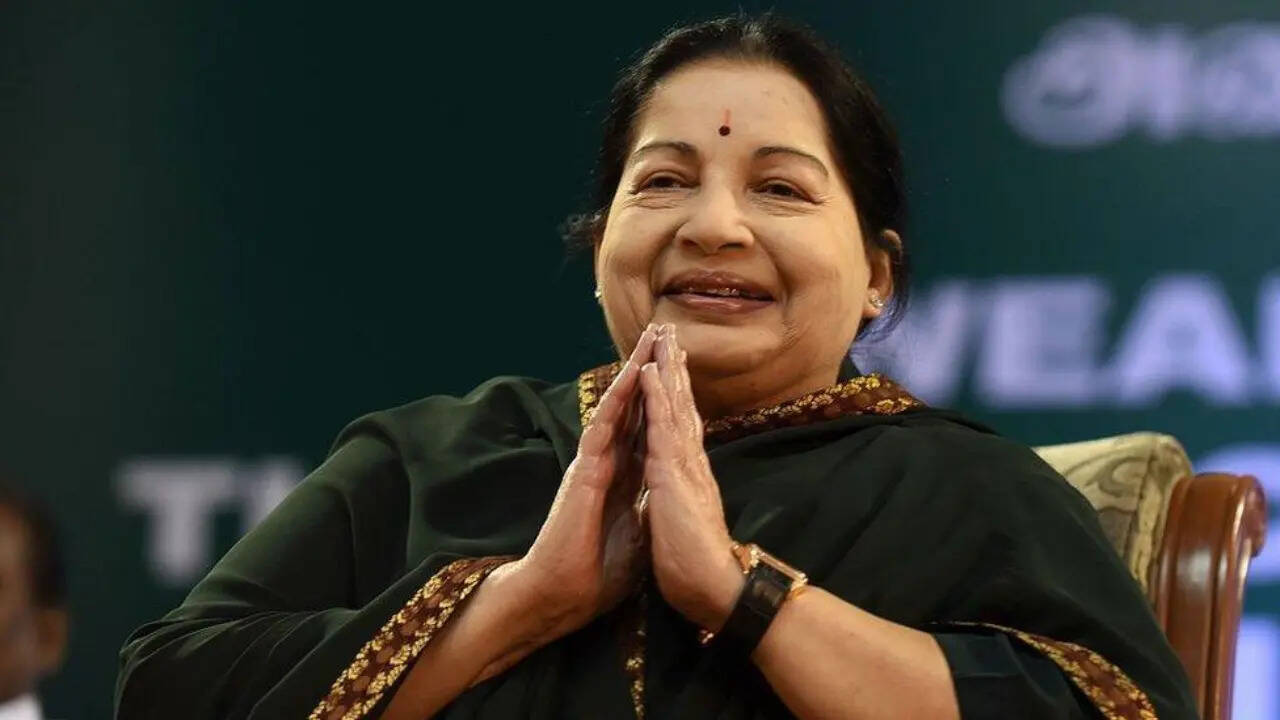
J Jayalalithaa entered cinema in the 1960s and quickly became one of Tamil cinema’s leading stars, appearing in several successful films including Ayirathil Oruvan alongside MGR. She transitioned into politics under MGR’s mentorship and joined the AIADMK in 1982. Following MGR’s death, after the party split into two, she consolidated her position within the party and rose to become Chief Minister of Tamil Nadu in 1991. Called Amma and The Iron Lady, she held the position six times throughout her career.How Rajini & Kamal missed it:Rajinikanth:
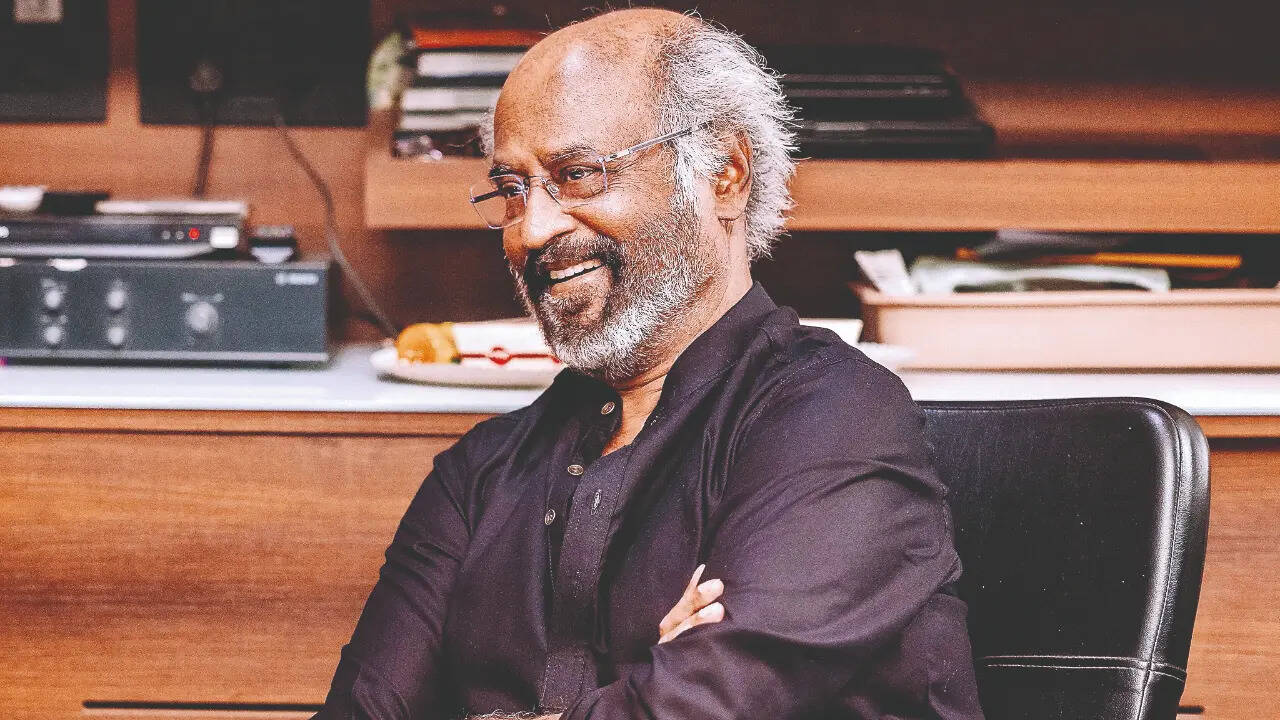
Rajinikanth was seen as signalling a political entry for decades, and his fan-based welfare association, Rajini Makkal Mandram (RMM), was converted into a political launchpad in 2018. However, his decades of vacillation and delayed entry eventually cooled the initial Rajini wave. He eventually withdrew in December 2020 — after announcing that he’d enter politics just weeks earlier — citing health concerns. His ideology — “spiritual politics” — lacked the clear, grounded appeal needed to challenge established Dravidian behemoths.Kamal Haasan:
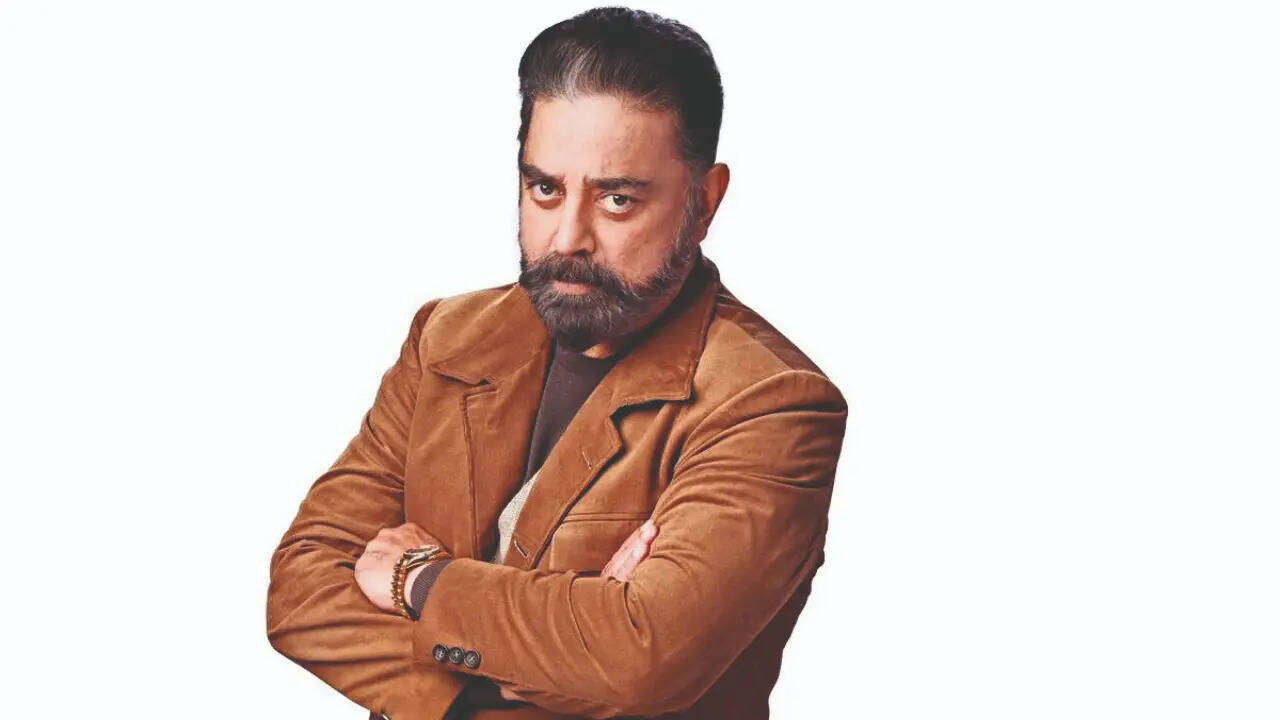
Unlike Rajinikanth, Kamal’s onscreen image was that of a cerebral actor and lacked mass appeal. His party, Makkal Needhi Maiam (MNM), was often perceived as elitist and urban-centric, failing to penetrate the critical rural vote. By joining the DMK alliance — who he was heavily critical of since forming his party — for a Rajya Sabha seat, he transitioned from a primary challenger to a supporter of the existing status quo.Vijayakanth:
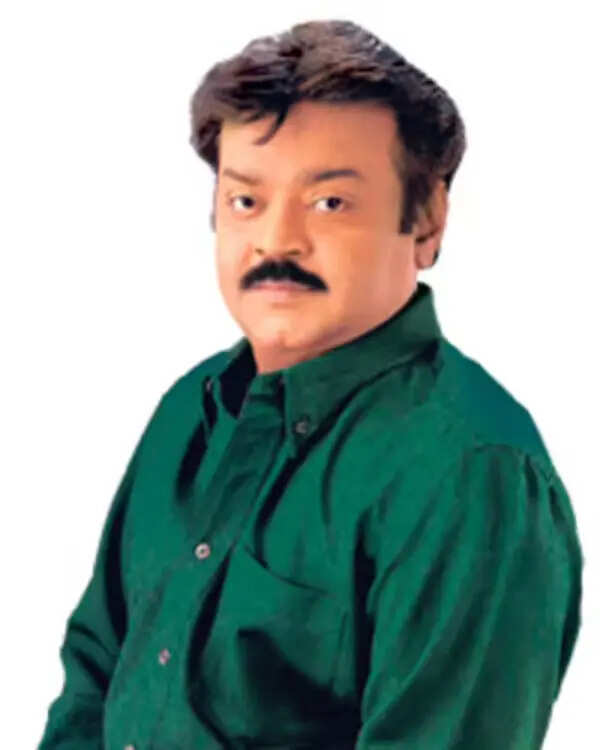
Emerging as a serious contender at a time when Jayalalithaa and Karunanidhi were still calling the shots in the mid 2000s, Vijayakanth’s Desiya Murpokku Dravida Kazhagam (DMDK) had early success, but failed to sustain momentum due to organisational challenges, shifting alliances and the actor’s health issues.From screen icon to political contender
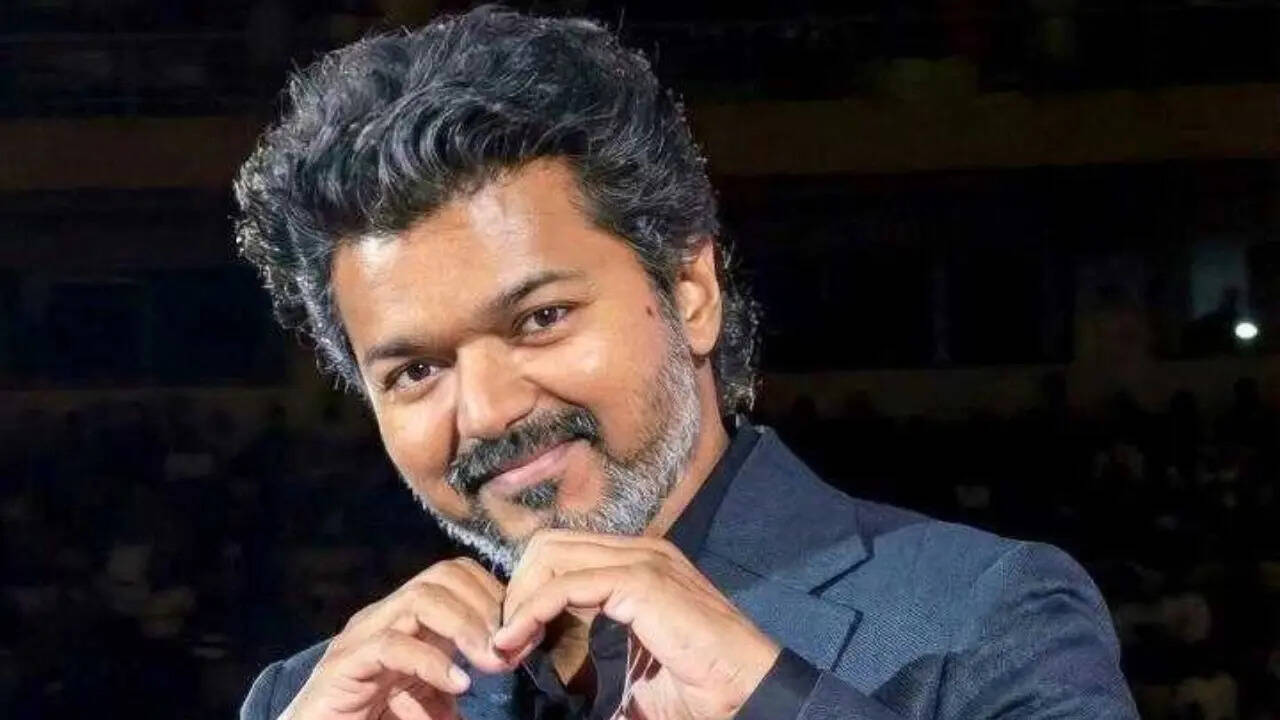
1980s–2000s: Vijay rises as a leading star in Tamil cinema2010s: Films increasingly reflect political and social themes2020–2023: Fan clubs expand into grassroots welfare networksFeb 2, 2024: Launch of Tamilaga Vettri Kazhagam (TVK)April 23, 2026: Contests Tamil Nadu Assembly elections 2026May 2026: Emerges as leader of the single largest party in Tamil Nadu Assembly elections 2026
