



4 min readJul 31, 2026 05:37 PM IST
First published on: Jul 31, 2026 at 05:37 PM IST
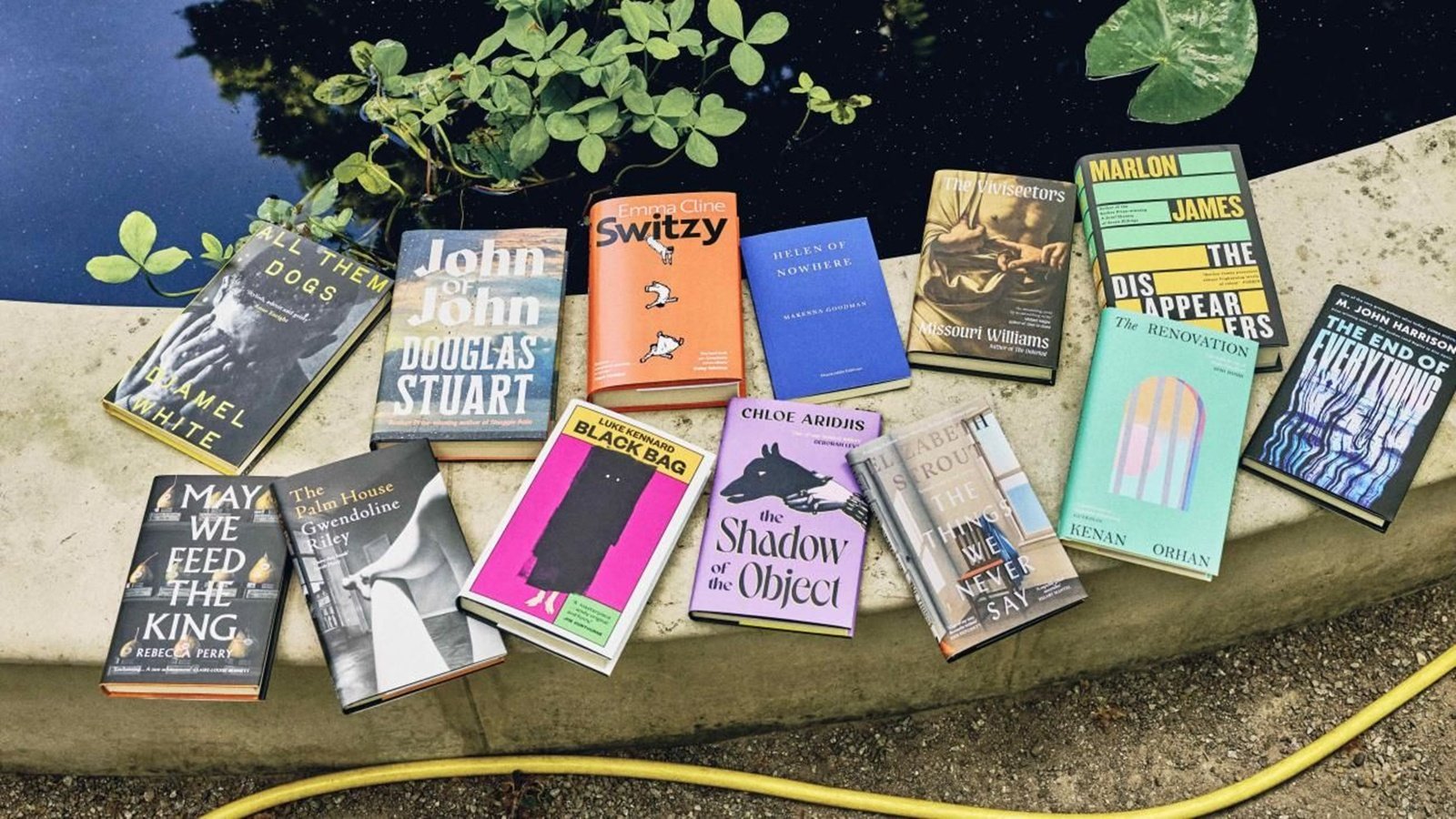
The 2026 Booker Prize longlist is out, and it professes to be one that “rewards risk”. One might ask: What flavour of risk? One that calls out genocide and war-mongering, or perhaps, narrators splintering between irreconcilable generational worldviews? Is the risk demographic? Or, is it a mere stylistic risk, comprising intriguing allegory and whimsical strangeness?
Mary Beard, chair of judges, says the list helps writers “take the reader to new places”, as long as they are largely in the Anglosphere. Of the 13, 11 longlisted authors hold a British or American passport or are dual nationals grafted onto the Anglo-American trunk (a Mexican-British writer, a Turkish-American one, a Scottish-American one). Only Marlon James of Jamaica is an outlier. The authors are from “seven countries and three continents”, but the third continent, Asia, only holds if one counts Turkey, represented by Kenan Orhan, a Turkish-American writer based in Kansas. There are no authors from South and East Asia, Australia, Africa, or New Zealand.

In a December 2025 interview, writer and jury member Patricia Lockwood spoke of the return of “weird literature”, perfect for an age of political, climatic and AI-driven uncertainties. However, the list is not “weird” enough — not counting magic realism: At least five books explore upper-middle-class interiority with adults processing disappointment in English-speaking university towns. This includes a retired executive travelling to a Swiss clinic to reckon with a life misspent (Switzy, Emma Cline); a disgraced professor rebuilding his life from the ruins of his career and marriage (Helen of Nowhere, Makenna Goodman); and an out-of-work actor hired to spend a university term confined to a leather bag (Black Bag, Luke Kennard). And though seven of the 13 authors are women, only three feature a female protagonist, and two offer mixed perspectives.
Over the years, the Booker has become a means of canonising the literature of our times. Marlon James’s The Disappearers deals with state-sanctioned homophobic violence in 1980s Jamaica, and The Renovation confronts Turkish political exile, and the LGBTQIA+ themes find representation in Douglas Stuart’s John of John, while Elizabeth Strout’s The Things We Never Say takes on Donald Trump’s America and post-pandemic anxieties. M John Harrison’s eerie quasi-sci-fi fable The End of Everything is among the more successful exercises in the strange, and Missouri Williams’s The Vivisectors folds climate anxiety into its eco-gothic satire of campus politics. But there is little that reflects AI anxieties or economic precarity or how technology has affected humanity, or the impact of climate change on women or indigenous society.
It also seems the judges may have subscribed to the fear of this being a post-literate society. Six of these books come in under 250 pages, with Goodman’s Helen of Nowhere barely exceeding 140. At roughly 640 pages, James’s novel is the heftiest, but it is no door-stopper. Length is not a proxy for quality, of course, but it seems sprawling novels have been given short shrift.
That is not to say the list did not throw up new writers or books worthy of attention. But was it a risky Booker list? On the contrary, unlike 2025, when the longlist was truly global in its representation, the prize played it way too safe this year. Whether that comes down to what is being written, or what appealed to the judges, we will never know. But here’s hoping next year’s list is more adventurous in its diversity, style and scope.
The writer is copy editor, The Indian Express. aishwarya.khosla@indianexpress.com
