




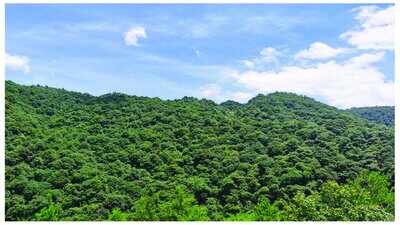
When we look at satellite images of a changing planet, we often think of industrial expansion or environmental loss. We picture urban concrete spreading across historical valleys, long transport corridors cutting through ancient landscapes, and vast patches of green woodland gradually shrinking under global pressures. For generations, conservation narratives have portrayed forest restoration as a slow, delicate process that can take centuries to show results. Many people assume newly planted forests grow more slowly than natural woodland.But a closer look into the massive, engineered forests of East Asia introduces a completely different narrative of rapid biological development and accelerated growth dynamics. Over the past few decades, an unprecedented ecological campaign has completely transformed millions of acres of barren terrain into highly active ecosystems. Instead of lagging behind natural forests, these plantations are showing faster leaf growth and canopy expansion. What looks like a modest tree-planting zone from a distance can play an important role in carbon storage.This striking biological divergence was recently decoded in a collaborative environmental study published in the journal Geophysical Research Letters. Led by climate scientist Yuhang Luo, the paper evaluated decades of satellite observations and ecological modelling data to compare the growth trajectories of different forest types. By meticulously tracking changes in the leaf area index across the nation, the study presented extensive evidence indicating that China’s massive planted forests outpace nearby natural woodlands in leaf production by as much as sixty-six per cent.The paper’s 2020 map covered 52,055 forest inventory plots and found that young natural forests generally outpaced planted forests in aboveground carbon accumulation during the first 30 years of recovery. The authors also report that tree density, not age alone, helps explain the gap, with seasonal temperature emerging as the strongest spatial driver across ChinaUnderstanding the engine behind the green wallTo understand why this accelerated canopy development has surprised environmental scientists, it helps to examine the immense historical scope of the project itself. Since launching its tree-planting program in 1978, China has introduced billions of trees across its northern and western regions to slow desert expansion. For decades, researchers assumed that these single-species or structured monoculture plantations would remain stunted due to competitive pressure and poor soil nutrients. However, the data reveal that these artificial forests have responded with unique structural agility to the planet’s changing atmospheric chemistry.The Geophysical Research Letters paper says this accelerated growth is driven in part by a stronger physiological response to rising global carbon dioxide levels. Because young, actively managed plantations often use fast-growing species, they can respond more strongly to elevated atmospheric carbon than older natural forests. This stronger carbon sensitivity, combined with the trees’ younger age, allows planted stands to expand leaf area and form denser canopies more quickly.This comparative look at forest structure and carbon storage was expanded upon in a distinct, multi-source remote sensing study published in Communications Earth and Environment. Led by researcher Kai Cheng and a prominent team of ecologists, the research suggested that natural forests may store carbon more effectively over the long term, while plantations can produce leaf area more quickly. While young, heavily managed plantations can produce leaves quickly, the research suggested that natural forests may store carbon better over the long term because of their diverse species mix and uneven tree densities.With the same national forest inventory dataset, the study examined the planted and naturally regenerated forests in China to find that it was the structural differences between the two types of forests which made the difference: while the tree density in planted forests was higher, natural forests still managed to accumulate carbon faster at the same age.
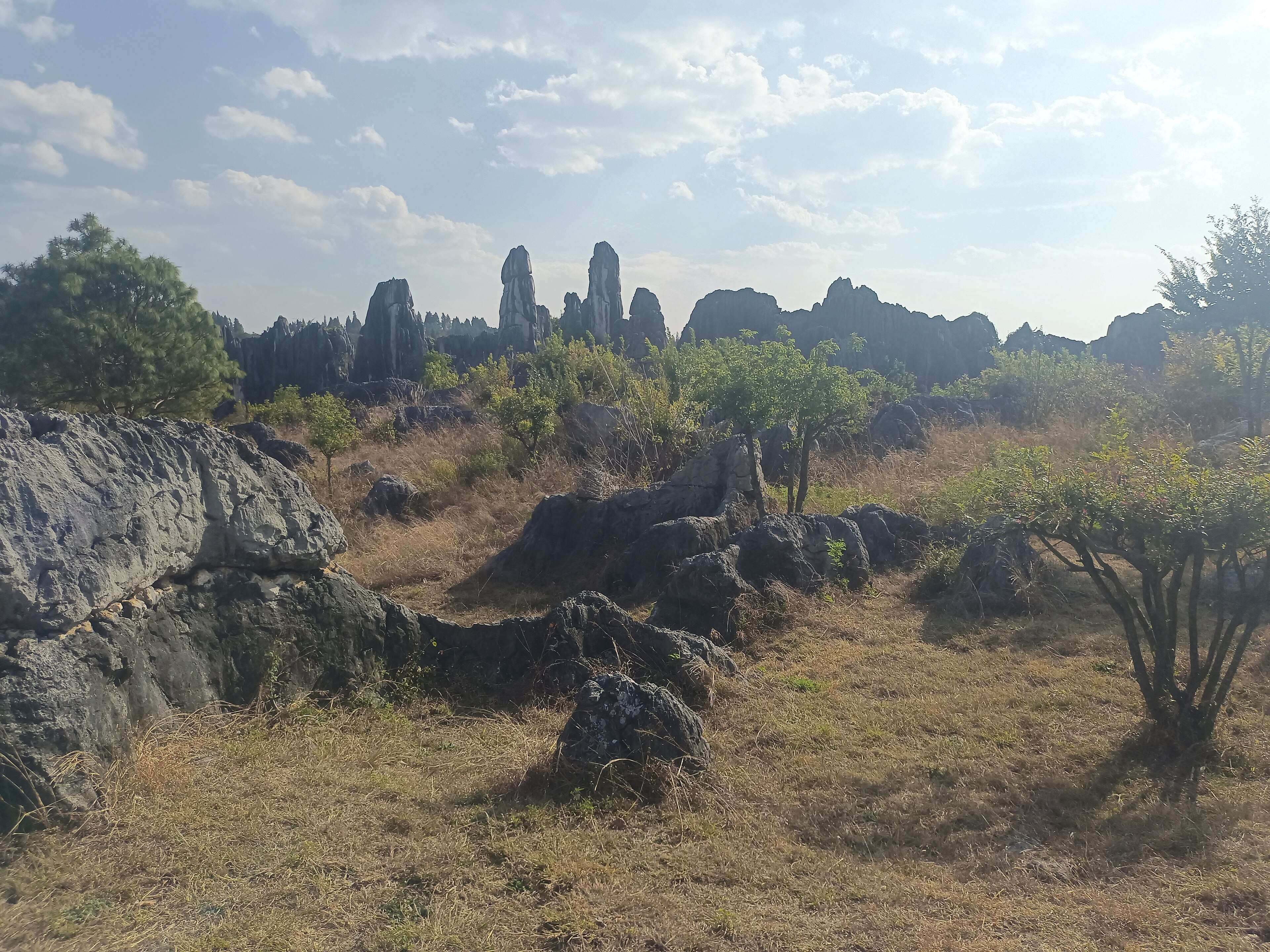
Recent studies reveal these engineered ecosystems are significantly boosting leaf production, playing a crucial role in carbon storage and combating desertification. Image Credits: Wikimedia Commons
Combining fast-growing leaves and stable climateThe comparison of the two papers gives an insight into how the problem of climate change should be tackled. It becomes evident from the paper that man-made plantations allow growing more foliage faster than wild forests. This helps to stabilise the desert soil and decrease dust storms as well as absorb carbon.The papers suggest future environmental initiatives should look beyond tree-count targets to help turn short-term gains into longer-term climate benefits. While the rapid leaf development of the project shows what human-directed planting can achieve, maintaining this momentum requires careful long-term management. As these planted stands age, growth rates may level off, so managers may need to introduce native species, manage tree densities, and protect surrounding natural woodlands.In conclusion, these pieces of research indicate the connection between people’s activities related to plantations and forest growth. These results are beneficial for global forest restoration projects. Acknowledging the importance of fast-growing plantations might lead to more balanced protection of nature.
