



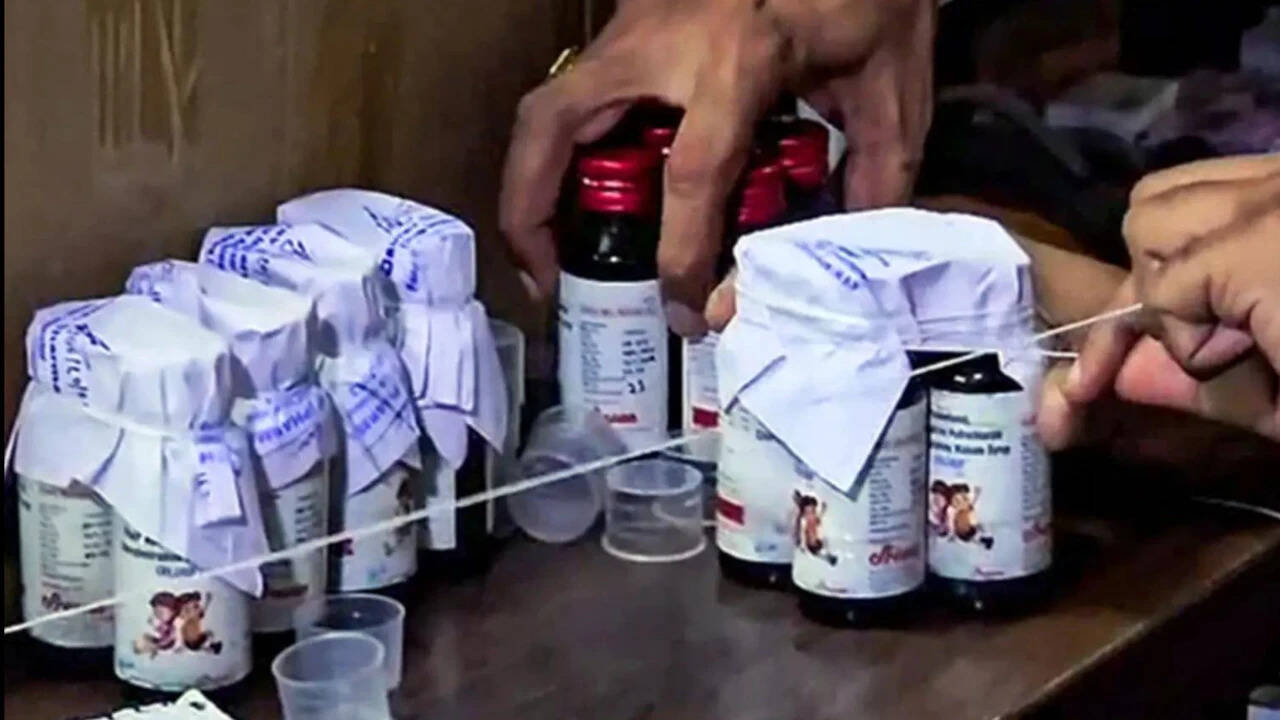
NEW DELHI: Oral medicinal formulations containing more than 12% ethyl alcohol and sold in bottles larger than 30 ml will soon require a doctor’s prescription after the Centre amended the Drugs Rules to curb their misuse.Officials said the move follows complaints from states, including Uttar Pradesh and Madhya Pradesh, that certain medicinal tinctures were allegedly being misused. Traditionally, tinctures containing ingredients such as cardamom and ginger were intended as medicinal preparations, largely used as digestive aids. However, some products allegedly contained 60-80% ethyl alcohol and were allegedly being sold as medicinal products despite containing very high levels of ethyl alcohol and were reportedly being misused like liquor.The ministry said the products covered include certain herbal and medicinal liquid preparations, including cardamom and ginger tinctures. These are concentrated herbal extracts prepared using ethyl alcohol as a solvent, not the kitchen spices themselves. While cardamom and ginger have long been used in traditional medicine, particularly for digestive and other therapeutic purposes, some tincture formulations contain 80-90% ethyl alcohol, making them vulnerable to misuse for intoxication.The health ministry has notified the Drugs (Tenth Amendment) Rules, 2026, under which such formulations will no longer be exempt from licensing requirements under Schedule K of the Drugs Rules, 1945. Instead, they will be brought under Schedule H1, meaning they can be sold only against the prescription of a registered medical practitioner. Pharmacies will also have to maintain records of every sale. The rules will come into force six months after their publication in the Official Gazette.With the amendment, oral medicinal formulations containing more than 12% ethyl alcohol will no longer be able to claim exemption under Schedule K merely because they contain ingredients such as cardamom, ginger or other spices.Existing provisions under the Drugs Rules already prescribe ethyl alcohol limits for several traditional systems of medicine. Ayurvedic, Siddha and Unani syrups are permitted to contain up to 16% ethyl alcohol, while Homoeopathic medicines are limited to 12%. Officials said the latest amendment seeks to create a uniform regulatory framework for medicinal products containing high levels of ethyl alcohol.According to the ministry, the amendment is aimed at strengthening regulatory oversight of medicines containing high levels of ethyl alcohol, ensuring they are supplied only through the regulated pharmaceutical supply chain and reducing the possibility of diversion and misuse while ensuring they remain available for genuine therapeutic use.
