



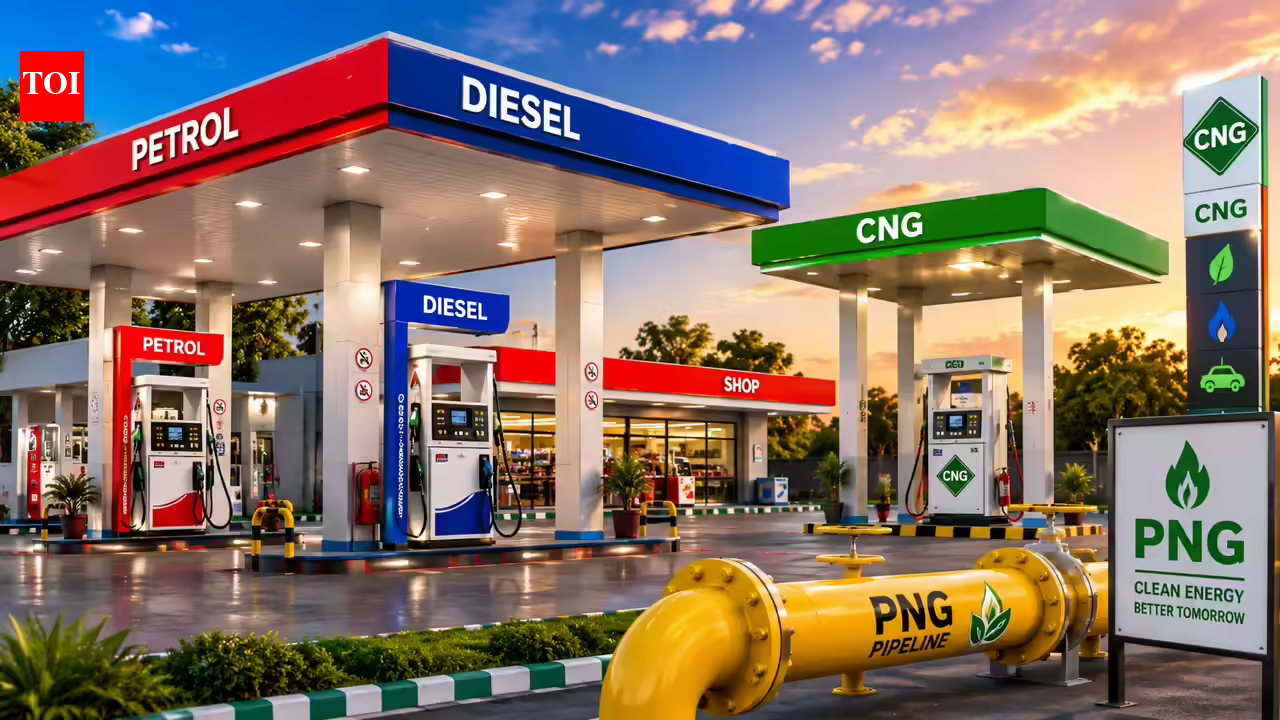
The recent Rs 3 hike in petrol and diesel prices could influence vehicle buying trends in India, with rising running costs expected to push more buyers towards fuel-efficient options such as hybrids, CNG vehicles and EVs. Fuel prices have historically played a major role in shaping consumer preferences in the Indian automotive market. Over the past few years, buyers largely prioritised SUVs, performance and features over fuel economy, leading to strong demand for compact and midsize SUVs with larger engines and automatic gearboxes.However, higher fuel costs may now shift focus back towards efficiency. For urban users driving around 1,200 to 1,500km every month, the latest fuel price increase could noticeably raise monthly expenses, especially for owners of larger petrol SUVs and turbo-petrol vehicles with lower real-world efficiency.Strong hybrid vehicles are likely to benefit from this shift. Models such as the Toyota Urban Cruiser Hyryder, Maruti Suzuki Grand Vitara, Victoris and Toyota Innova Hycross have already demonstrated demand among buyers willing to pay more upfront for lower long-term running costs. Their real-world fuel efficiency of over 20kpl in city conditions could make them more attractive following the latest price revision.CNG vehicles may also witness stronger demand. Maruti Suzuki has significantly expanded its factory-fitted CNG lineup in recent years, with models such as the Maruti Suzuki WagonR, Maruti Suzuki Fronx and Maruti Suzuki Brezza CNG offering lower running costs than equivalent petrol models. Diesel vehicles, meanwhile, are unlikely to see a major revival despite the fuel price increase affecting both petrol and diesel. Stricter emission norms, reduced availability of diesel engines and regulatory uncertainty have already weakened demand for diesel-powered hatchbacks and compact SUVs. Diesel continues to remain relevant mainly in larger SUVs and MPVs.Smaller turbo-petrol engines and downsized powertrains could also gain popularity as manufacturers increasingly focus on balancing performance with efficiency. At the same time, naturally aspirated petrol engines may continue attracting cost-conscious buyers because of lower maintenance costs and established reliability.The latest fuel hike may also influence transmission preferences. While automatic gearboxes have become increasingly popular in urban markets, buyers focused on lower running costs could favour AMT-equipped vehicles over less efficient torque converter automatics. Electric vehicles are another segment expected to benefit, particularly among urban buyers with access to home charging. Although high purchase prices and charging infrastructure remain concerns, rising fuel costs are improving the long-term value proposition of EVs compared to petrol-powered SUVs.Industry trends suggest the impact of higher fuel prices may gradually alter buying patterns in the coming years. Hatchbacks could regain some relevance, while hybrids and fuel-efficient crossovers may witness stronger demand as buyers increasingly prioritise running costs over outright performance and size.
