



5 min readJun 10, 2026 11:16 AM IST
First published on: Jun 10, 2026 at 11:16 AM IST
The fragile ceasefire in West Asia endured yet another risk as Israel and Iran engaged directly for over two days, after which Iran and the US also traded strikes. Iran launched around 20-24 ballistic missiles in the north of Israel on Sunday evening and the early hours of Monday in response to Israel’s air strikes on the Dehiya, the southern suburb of Shia Muslims in the city of Beirut, which is a Hezbollah stronghold and effective headquarters (after Tehran).
Israel has been in a precarious situation with Hezbollah for the last two months since Trump announced a ceasefire with Iran. Israel was not a party to the timing of the ceasefire, and it hasn’t shown trust in the process that started from Islamabad thereafter.

Sitting here in Tel Aviv, I see daily reports, surveys and public statements of Israel’s political class, ruling coalition, as well as the opposition leaders, expressing suspicion about Trump’s “deal” diplomacy. In fact, in addition to wondering about whether the hardliners in Tehran will get on board, Trump may also have to worry about whether Israel’s political class will cooperate or not. Benjamin Netanyahu is set to face national elections soon. He has already “lost” a war in Iran, and he is unlikely to want to be seen as losing another one with Hezbollah in the north of Israel.
Israel’s existential fears emanate from Iran’s nuclear programme and its ballistic missiles, but a far more critical national security issue has been its fight with Hezbollah in southern Lebanon, which borders Israel. Close to 1,00,000 Israelis have been displaced because of the constant rocket and drone attacks by Hezbollah. Civil society groups are gathering food for the people of the north as the “rockets and sirens never stopped for them”. Iran has seemingly allowed Hezbollah to carry on the proxy war. This is among the growing, sometimes public rifts between Trump and Netanyahu about the messy deal-making in Pakistan.
Trump appears to be banking on a form of rationality, the assumption that everybody just wants a good deal — money, power and fame. But for many actors in the region, the conflict is tied to religious, national and historical grievances. This fundamental difference in worldview may be why it’s taking so long for both sides to come to a compromise. To his credit, Trump has avoided all the excuses for the restart of the war. He has swallowed his own hostile statements, deadlines, threats and is still extending a rope to Tehran.
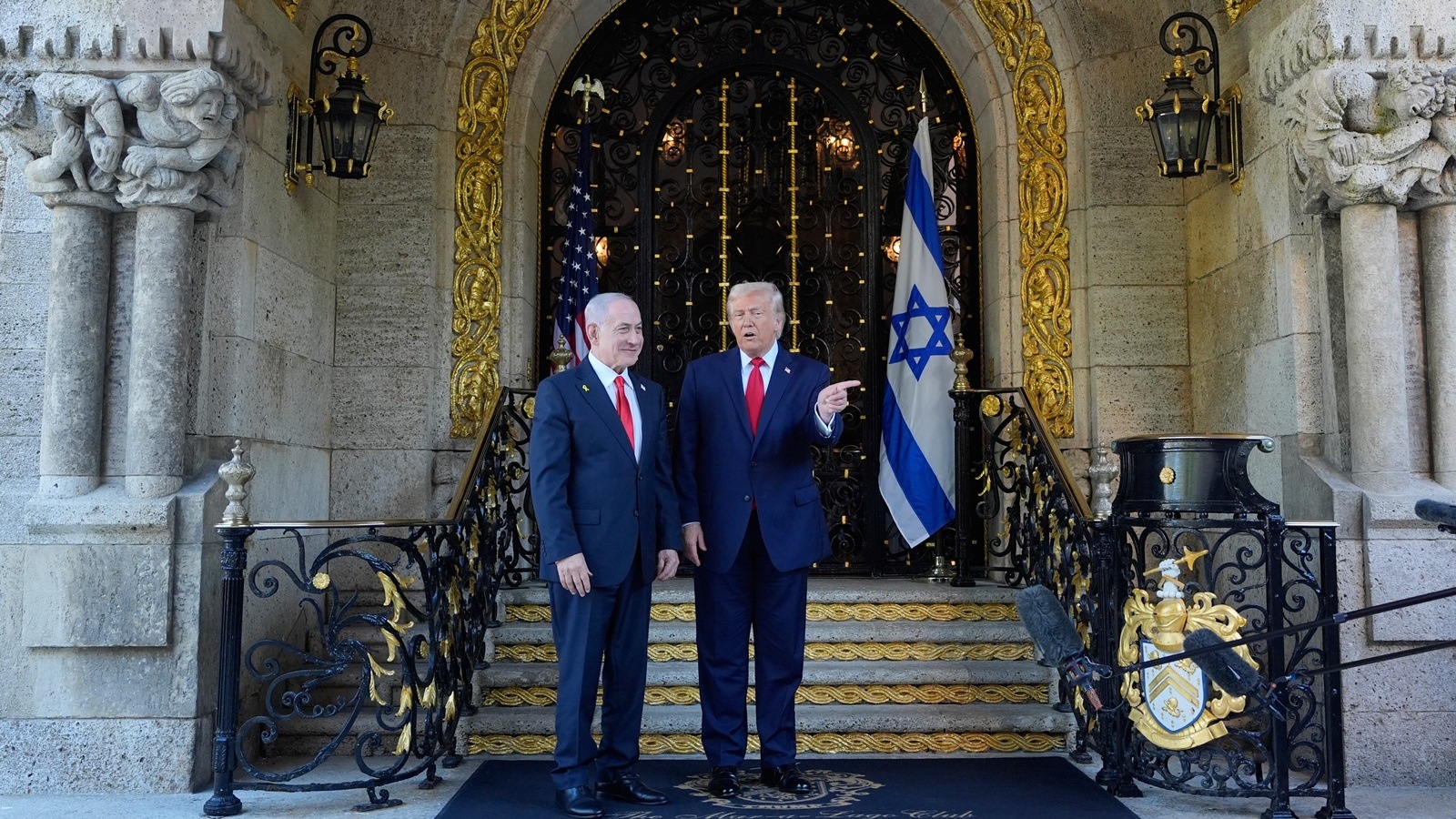
Netanyahu and Trump seem to have conflicts of interest. There have been public disagreements and media leaks about unpleasant conversations. Trump has denied the hypothesis that the war with Iran is Israel’s war, and Netanyahu cajoled him into it. Trump has been consistent in his praise of Netanyahu for standing up to Iran for two decades. However, after the failed attempt to topple the regime in February, the Iran war is a terrible liability and a strategic loss to be forgotten for Trump. On the other hand, Netanyahu would consider any deal with the current Iranian regime as unfavourable to Israel. In the last two weeks, Trump cautioned Netanyahu twice and spoke angrily to him over Israel’s operations in Lebanon. Things went sour for Netanyahu as those phone calls were leaked: Trump called him “crazy” and alleged that the world hates Israel because of him. Iran was quick to exploit the growing rift between Trump and Netanyahu and launched ballistic missiles. Trump was quicker to call on Israel not to retaliate.
The Hezbollah story has become a sordid one for Israel at large and Netanyahu personally. In the long war with Hamas, there was a strategic moment of superiority when Israel exploded the communication devices, pagers, of Hezbollah in September 2024. That operation was counted as a legendary one for Mossad for its overwhelming success and complete intelligence victory over Hezbollah. A few months later, Netanyahu visited the US and gifted a golden pager to Trump with a citation, “To President Donald J. Trump, our greatest friend and greatest ally”. That moment now seems redundant as Hezbollah is back on its feet. And Trump realises Israel’s wars are not ending, and he possibly can’t finish any of them in the near future.
Trump and Netanyahu still share a common fate that hinges on a question: How to endure the defeat of the war they both went into in February? Perhaps they need a sobering lesson from Kenneth Waltz, scholar of international relations — wars are like earthquakes, no one actually wins them. The day they realise this truth, a compromise will be around the corner.
The writer is Professor and Executive Director, Jindal Centre for Israel Studies, Jindal School of International Affairs, OP Jindal Global University
