



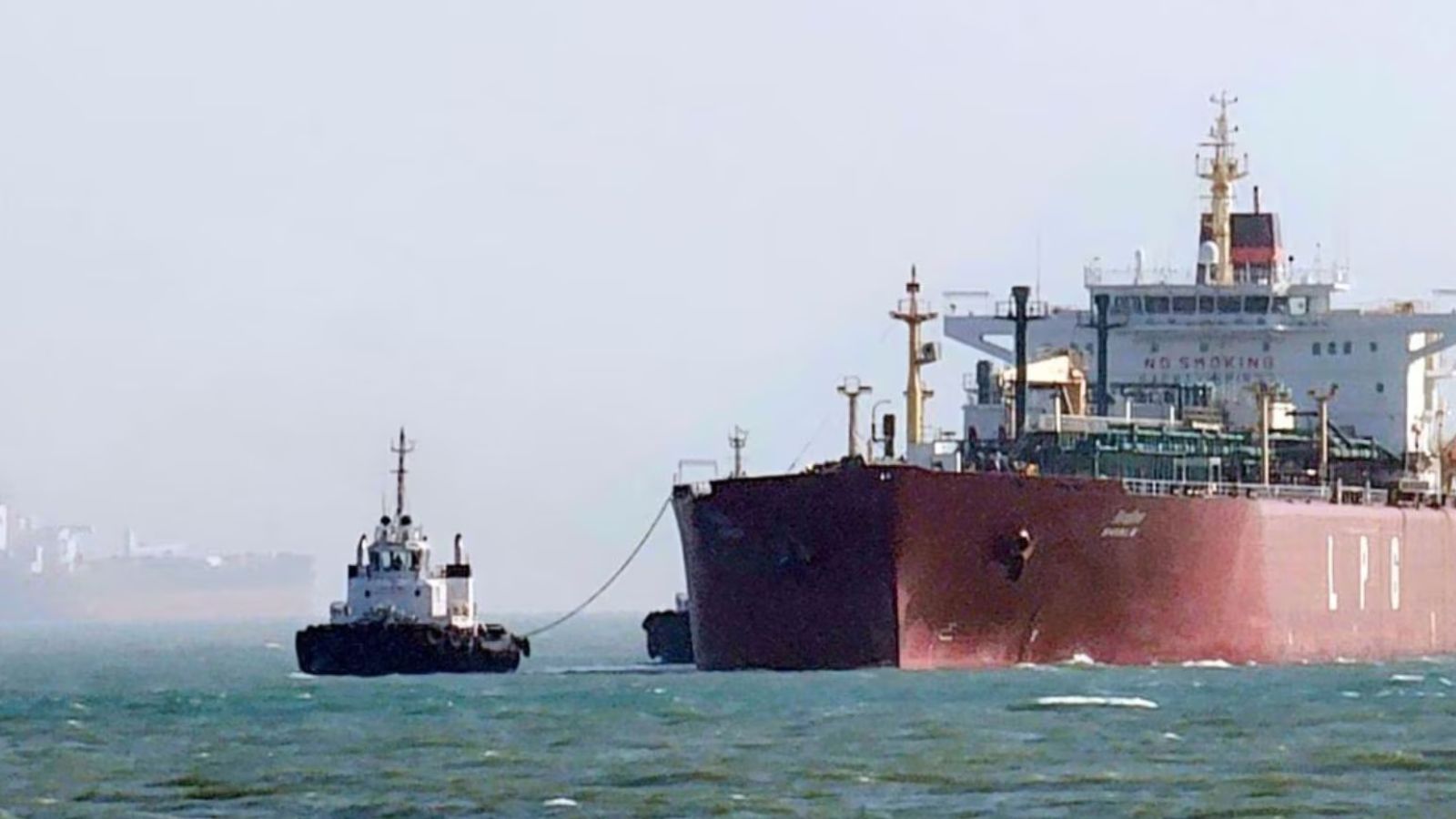
For decades, the global energy economy has functioned on the tacit assumption that the Strait of Hormuz would always remain open. That assumption has been fundamentally shaken this year.

The disruption has been without precedent. The 1973 Arab oil embargo 1973 endured for five months but never resulted in the closure of the strait. During the tanker war phase of the 1980-88 Iran-Iraq conflict, shipping traffic was constrained, though not completely interrupted. Likewise, the 2019 drone attacks on Saudi Arabia’s Abqaiq facility caused only a temporary disruption before supplies stabilised. In all these earlier episodes, the shock to global energy markets lasted only a short time. The present crisis, however, has extended well beyond two months and increasingly appears to be a disruption with no immediate resolution.
For India, the exposure has been severe, with a significant share of crude oil imports and LPG and LNG volumes transiting through the strait. Within eight days of the disruption, the government issued the LPG Control Order. Refineries were directed to maximise LPG yields to meet domestic demand, despite such production being uneconomical under normal circumstances. LPG production was increased from 36,000 MT to 54,000 MT per day. On the demand side, priority was accorded to protecting supplies for domestic consumers. Similarly, in the natural gas sector, domestic PNG and transportation CNG were prioritised. Export duties were imposed to protect supplies to the domestic market.
Over the past two months, global crude oil prices have risen by 80-100 per cent, topping $120 at times, with product prices also increasing sharply. Yet on petrol and diesel sold through retail outlets, these increases have not, so far, been passed on to domestic consumers. Instead, the exchequer has absorbed the burden through reductions in duties and through oil marketing companies (OMCs) bearing losses. The depreciation in the rupee-dollar exchange rate has only aggravated the challenge.
The crisis could have been far more crippling had India not significantly expanded its energy infrastructure over the past decade. LPG import terminals have increased from 11 to 22, LPG pipeline infrastructure from 2,311 km to 6,242 km, strategic crude reserves from zero to 5.33 MMT, and refining capacity from 215 MMT to 258 MMT. Ethanol blending, too, has risen from 1.53 per cent to 20 per cent, reportedly saving the exchequer more than Rs 1.5 lakh crore. In addition, the refineries are operating above 100 per cent capacity utilisation to meet the increased demand.
The surge in energy prices has affected consumers worldwide. Most European and East Asian economies have increased retail fuel prices by 25-35 per cent. Several countries in India’s neighbourhood have resorted to fuel rationing, reduced work weeks, austerity measures, or have faced severe shortages. In contrast, Indian consumers have, by and large, been shielded from steep price increases, while supplies have been largely uninterrupted and free from major restrictions.
This protection for consumers has been real, but it has not come without cost. The obvious question is whether such a model is sustainable. The answer is clearly no. Neither the government nor the oil companies can indefinitely absorb such financial stress.
Fifteen major oil and gas companies together contribute approximately Rs 7,40,765 crore to the government by way of taxes, duties, and other levies. Of this, Rs 3,25,504 crore accrues to state governments, largely through VAT on petrol, diesel and ATF. Based on excise duty reductions alone, the government is estimated to lose nearly Rs 460 crore per day — translating to almost Rs 1,68,000 crore annually.
There is also a widespread perception that oil companies make windfall profits whenever crude prices decline, while retail fuel prices remain unchanged. However, data published by PPAC shows that the three major OMCs together earned a post-tax profit of Rs 33,602 crore on revenues of Rs 18,20,477 crore in 2024-25 — a return of only 1.85 per cent, when the Indian basket of crude averaged $78.6 per barrel. By comparison, returns during 2022-23 (average crude price of $93.2 per barrel) and 2023-24 ($82.6 per barrel) were 0.06 per cent and 4.4 per cent respectively, the latter being an exceptional year. Even in 2019-20, prior to the pandemic, when crude averaged $60.5 per barrel, returns stood at just 0.56 per cent.
The capital expenditure of the three OMCs stood at Rs 72,000 crore in 2024–25, compared to Rs 68,350 crore and Rs 63,491 crore in the preceding two years. The industry operates on the principle of creating and enhancing supply infrastructure ahead of demand. This approach has largely ensured the uninterrupted availability of petroleum products even during periods of severe disruption, including times of natural calamities. LPG supplies during Covid are a recent example. The trend has to continue if the energy needs of a growing economy are to be met in the years ahead. These investments also extend to emerging energy options in the ongoing energy transition, besides planned expansion of storage capacities in view of evolving geopolitical realities.
Between March 16 and April 30, the total loss suffered due to prices being maintained is estimated at around Rs 62,000 crore. Of this, the GoI has suffered a loss of around Rs 30,000 crore due to excise duty reduction and the OMCs have borne the rest.
Given the strategic importance of this sector, the companies must continue to function efficiently and generate adequate resources. The sector cannot afford to bleed indefinitely or with companies ending up with weak balance sheets. If the conflict persists, difficult decisions may become unavoidable, with every stakeholder required to bear a part of the burden until the crisis passes: The GoI through duty reductions, state governments through rationalisation of VAT on fuels, and consumers through higher prices at the pump.
It is undoubtedly a difficult proposition, but perhaps the only viable path to endure a prolonged crisis.
The writer is former chairman, Indian Oil Corporation Ltd
