



4 min readMay 6, 2026 03:12 PM IST
First published on: May 6, 2026 at 03:12 PM IST
A friend of mine — let’s call him X — was driving in maddening traffic when another car swerved and almost crashed into him. He was so enraged, he sped up and blocked the other car’s way. Then he jumped out of his car and stalked towards the driver, who was also ready for battle.
But suddenly, something flipped inside X. As he traversed the tiny distance between the two cars, his anger vanished, poof! Instead of throttling the other guy or raining curses on him, X touched his feet and silently walked away.

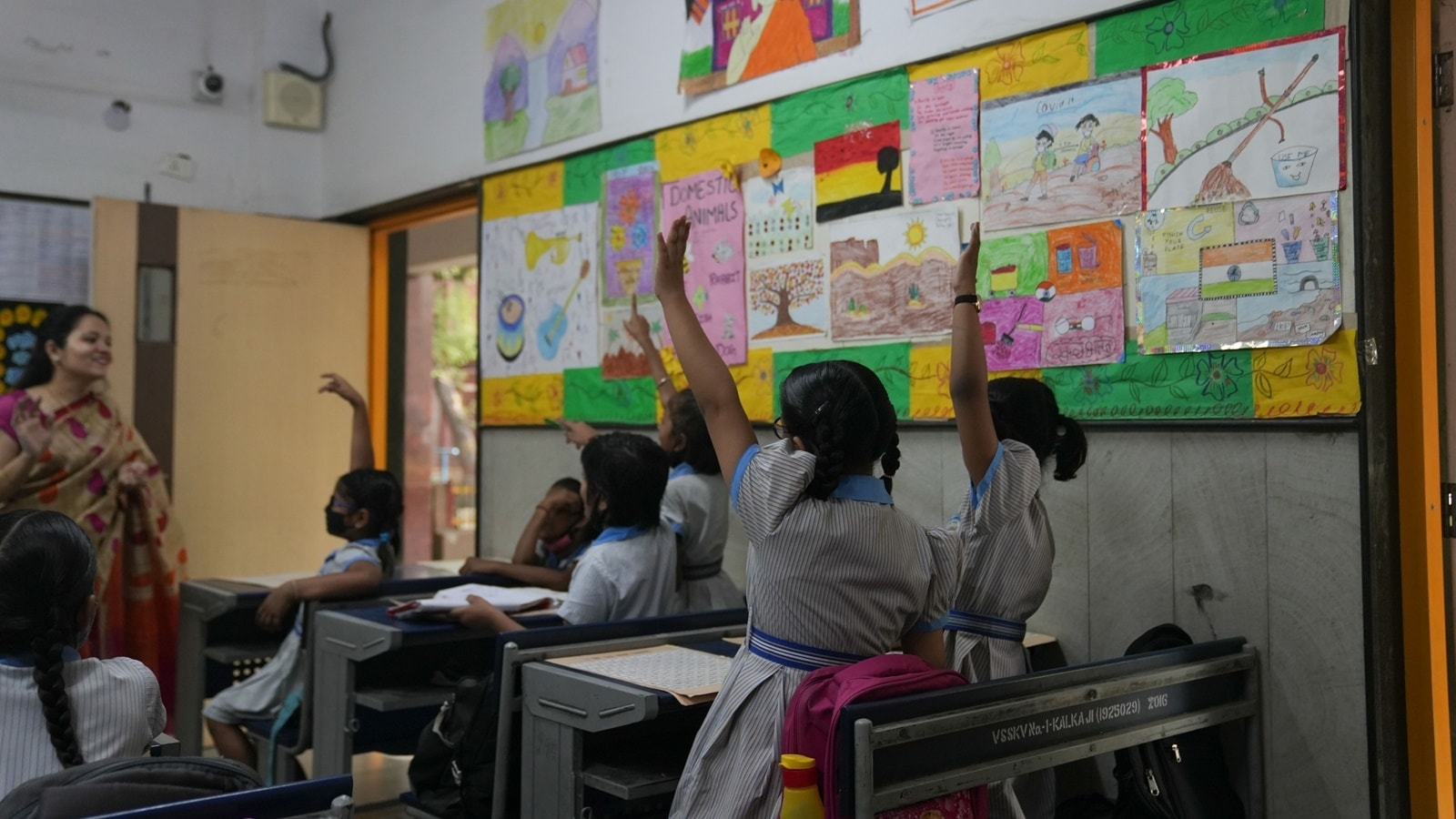
I recently shared this story with some two-score school children. They listened avidly since I told the story with some drama. I could sense that the final twist in the story left most of them surprised and even puzzled. Then I asked what they made of X’s flip away from violence. What happened next may well be a clue to the state of our samaj/society.
The first to speak were those children who scorned X’s turnaround. One teenage girl actually said, “He should have beaten that other man; if someone annoyed me like that, I would show them!” Some among those who remained silent nodded in agreement. The majority just watched and looked non-committal.
One boy hesitantly suggested that if X had assaulted the other fellow, he himself might have ended up beaten and injured. There was a murmur of agreement with this view, even as some still said X should have vented his anger on the other fellow.
Then one boy, who had remained silent so far, raised his hand, and when I invited him to speak, he confidently said: “Beating the other man would just be a waste of time and energy.” So, according to him, X’s ability to control himself was pragmatically superior.
This view also garnered support, but it did not appear to alter the views of the earliest respondents, those who scorned X’s self-restraint.
A small group of VII to IX class school children cannot be said to represent the larger samaj. And yet the ebb and flow of emotions and ideas was fascinatingly instructive. One, those advocating violent assertion appear to be more confident, louder, and quicker to jump into the fray. Two, those who appreciate and value self-control are confident but appear less passionate. They seem reluctant to jump into the fray.
Between these two ends of the spectrum is a seemingly indifferent majority. The dominant assumption of our times is that this majority is more easily swayed towards violent assertion. This is why we are told that films depicting vengeful violence in extreme form are now runaway hits. To accept this as decisively true and unchangeable would be fatal for us as individuals and as samaj. So how does one live in such times?
First, one can refuse to play along — be more vocal. When you are in a gathering where vengeful violence is being celebrated as greatness, take the trouble to disagree. Second and more importantly, the choice is often not between violence and non-violence but between wasteful rage and competence. In the famous words of the science fiction writer Isaac Asimov, “violence is the last refuge of the incompetent”.
It is important to emphasise that countering deliberate and structurally promoted violence is a daunting task. But here is the paradox: Acts of resistance to violence, in everyday life, appear insignificant to overcome a systemic malaise. And yet this everyday resistance is a necessity.
Meeting those children boosted my spirits because it confirmed that the full variety of views lives on and with it the building blocks of resistance to varied forms of rage, force, and tyranny.
The writer is the founder of the YouTube channel, Ahimsa Conversations

