



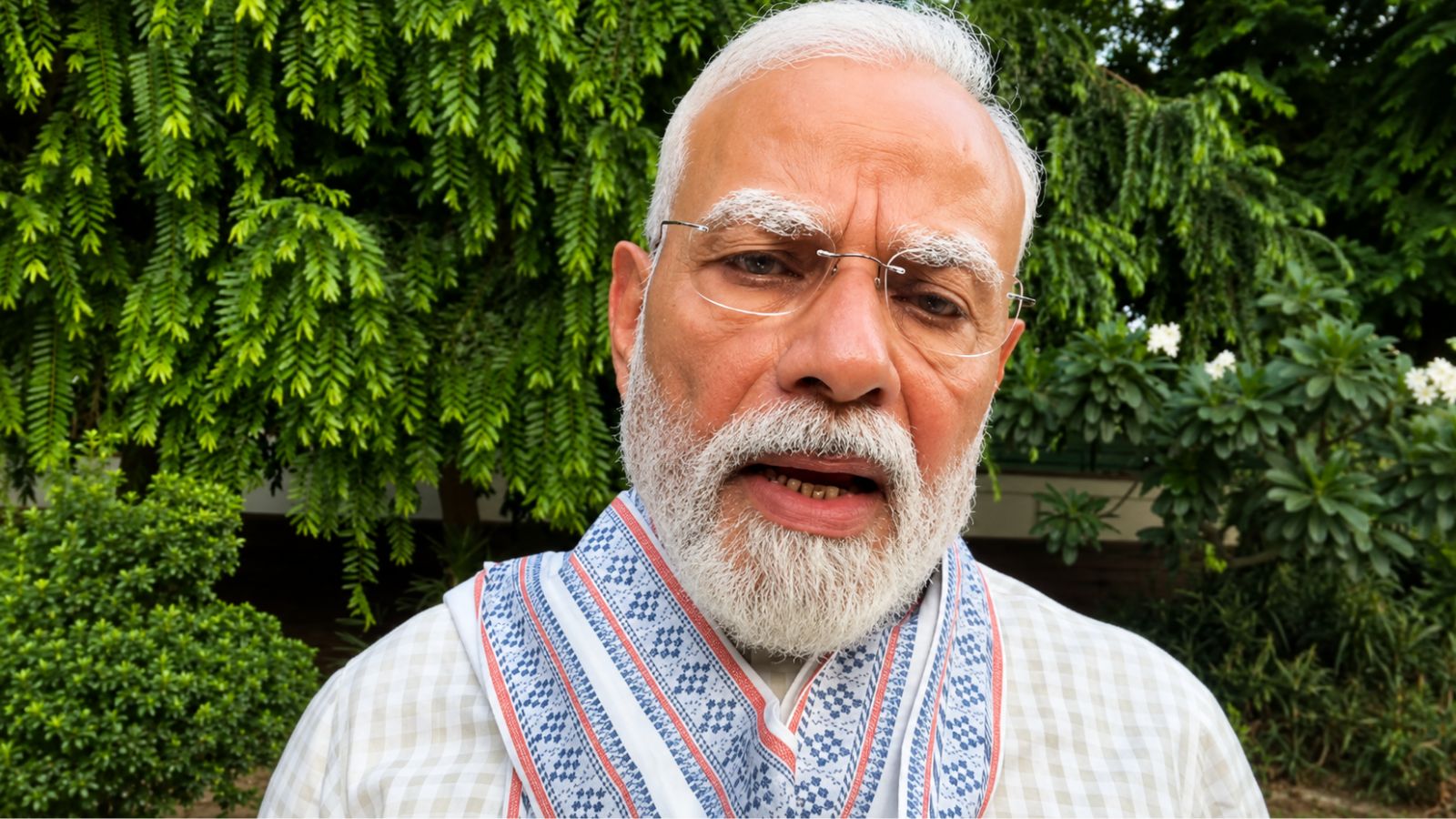
In four days, Prime Minister Narendra Modi translated the concerns of young Indians into a clear sequence of democratic action. On July 23, he promised fast-track courts for paper-leak cases. On July 24, after negotiations with the Centre, Sonam Wangchuk ended the 26-day hunger strike. On July 25, education minister Dharmendra Pradhan resigned, after which protest leaders called off their 36-day Jantar Mantar sit-in. On July 26, Modi announced a six-member high-powered task force, headed by Nandan Nilekani, to help make examinations trustworthy, transparent and technology-led. The Cabinet-approved Public Examinations (Prevention of Unfair Means) Amendment Bill, 2026, introduced in the Lok Sabha on July 27, proposes stronger penalties, time-bound investigations and special fast-track courts. Together, these steps show a government that listens, accepts accountability and converts public concern into durable reform.
These are not concessions extracted from a reluctant state; they reflect confident democratic leadership. In a constitutional democracy, peaceful protest is a right of the citizen. The government’s response shows how that right and responsible governance can reinforce each other. By keeping channels open, negotiating with protesters and moving decisively from dialogue to action, the PM reaffirmed that the voice of India’s youth has a place at the centre of governance.

The episode rebuts the sweeping claim that Indian democracy has lost the capacity for dissent or course correction. An agitation continued for weeks, forced a national conversation, brought the government to the negotiating table and produced a legislative and structural response. Indian democracy demonstrated that dissent need not lead to paralysis: It can lead to dialogue and reform.
History points towards the stakes, although parallels must be drawn with care. The JP movement gathered strength through 1974 and 1975; hours after Jayaprakash Narayan’s Ramlila Maidan rally on June 25, 1975, Emergency was proclaimed. Civil liberties were suspended, the press was censored, and opposition leaders, including JP, were imprisoned. The anti-Mandal protests of 1990 arose from an entirely different context, but they too brought turmoil and violent clashes. The movements are not equal. But the present episode offers a contrast: Instead of repression or prolonged drift, the Modi government chose engagement, accountability, legislation and institutional reform.
Modi’s response is also consistent with a longer conversation with aspirational India. Since 2018, ‘Pariksha Pe Charcha’ has brought examination anxiety, parental pressure, confidence and time management into a regular national dialogue. The Viksit Bharat Young Leaders Dialogue also invites young Indians to contribute ideas to the country’s future. Together, these initiatives form a wider approach that combines dialogue with expanding opportunity and stronger institutions.
The last few days also reveal a defining quality of Modi’s leadership: Political generosity. A secure leader can absorb criticism, acknowledge concern and place institutional interest above personal prestige. By accepting a colleague’s resignation, keeping dialogue open and moving from listening to action, PM Modi chose reconciliation over confrontation.
Nilekani’s appointment makes a larger point: Public knowledge is national property. The former UIDAI chairman is joined by S Somanath, Tapan Deka, V Kamakoti, Anita Karwal and Amrit Lal Meena, bringing expertise across technology, security, education and logistics. Reform must combine secure question banks, encrypted transmission, randomisation, controlled access, independent audits and strict vendor oversight, with computer-based or secure on-site printing wherever feasible. An independent examination-security board, annual audits and a national testing calendar can further strengthen the NTA.
Finally, fast-track courts will be most effective when paired with fast, specialised investigation. The proposed two-month investigation window and three-month trial framework can be backed by trained digital-forensics teams, experienced prosecutors, witness protection and coordination with states and high courts. These measures can ensure that examination offences are detected, proven and punished without prolonged uncertainty for students.
A credible examination system rests on four assurances: A breach must be extraordinarily difficult, rapidly detected, transparently remedied and credibly punished. The PM’s initiatives now bring these assurances within a coherent reform framework. Modi has spent a decade telling India’s youth that they are partners in Viksit Bharat. The last four days have given that commitment institutional form.
The writer is professor at XLRI. Views are personal
