



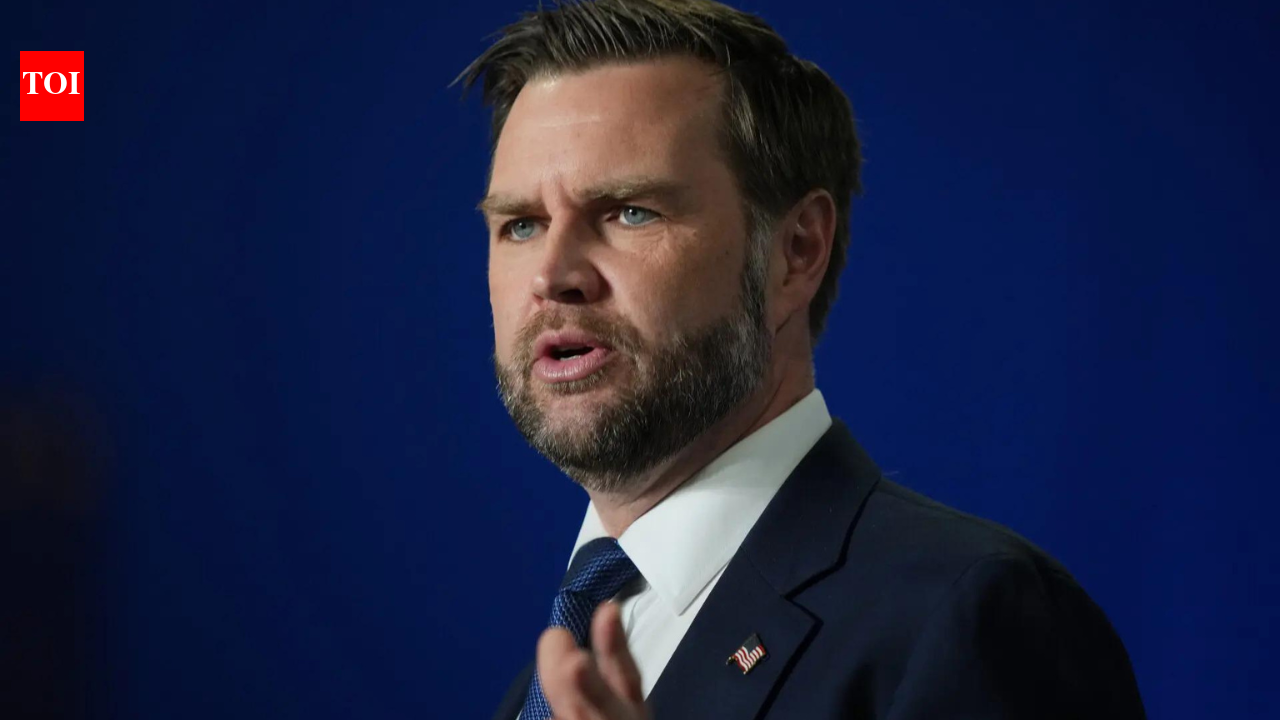
US Vice President JD Vance took a dig at Pakistan accusing it of lacking press freedom while defending the delayed public release of a draft US-Iran agreement. Vance said that Pakistan, which claims to be one of the key mediators of the US-Iran peace deal, that differences in political culture had contributed to expectations surrounding the document’s release.“So first of all, we actually really want to get this out because it’s hard to have the conversation without the full text,” Vance said. “And I think part of the misalignment here is that in the Pakistani and Qatari systems, they don’t quite have the First Amendment and freedom of the press. And so there isn’t this expectation that the text is going to be out there for the American people to actually interrogate and look at and analyze and understand for themselves.”His remarks came after days of speculation about the contents of a memorandum of understanding between the United States and Iran, which American officials later disclosed ahead of planned negotiations in Switzerland.
Swiss ceremony shelved as US-Iran deal takes effect
The release of the agreement has already been marked by confusion and diplomatic delays. Pakistan Prime Minister Shehbaz Sharif postponed a planned trip to Switzerland for a formal US-Iran peace deal ceremony after the Memorandum of Understanding was signed electronically and entered into force. Pakistan’s Deputy Prime Minister and Foreign Minister Ishaq Dar later confirmed that the Switzerland ceremony had been cancelled because the agreement had already been signed remotely. The uncertainty deepened after Sharif edited an earlier social media post that had referred to Pakistan and Qatar hosting an official ceremony in Switzerland. Meanwhile, Pakistan’s Interior Minister Mohsin Naqvi travelled to Iran following the postponement of planned US-Iran talks in Switzerland, with Tehran describing the visit as part of Islamabad’s continuing mediation efforts between the two sides as negotiations on a broader agreement remain stalled.According to the draft agreement, Washington and Tehran would commit to an immediate halt in military operations and begin negotiations on a final settlement within 60 days. The document includes provisions covering sanctions relief, maritime security, reconstruction funding and Iran’s nuclear programme.The proposed accord says Iran would reaffirm that it “shall not procure or develop nuclear weapons”, while both sides would work towards an agreed mechanism for handling Tehran’s stockpile of enriched uranium under International Atomic Energy Agency supervision.The agreement also envisages the eventual lifting of sanctions on Iran and the creation of a reconstruction and economic development plan worth at least $300 billion. It further calls for the restoration of commercial shipping through the Strait of Hormuz and the release of frozen Iranian assets.However, the deal has faced an immediate challenge as fighting between Israel and Hezbollah continues in southern Lebanon. The memorandum calls for the termination of military operations on all fronts, including Lebanon, and stresses respect for the country’s territorial integrity and sovereignty.Reports of fresh Israeli strikes and Hezbollah rocket attacks have complicated efforts to move forward with negotiations. Planned talks in Switzerland were delayed after Iranian officials declined to travel, insisting that the violence in Lebanon must stop before further discussions can take place.
