



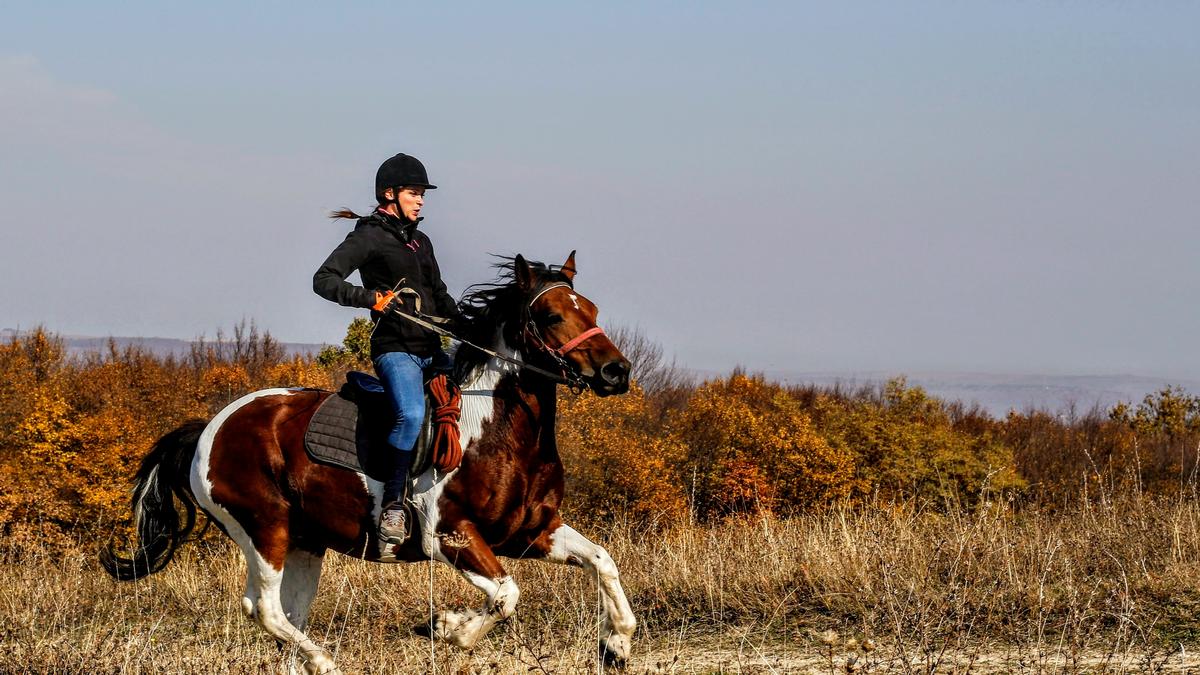
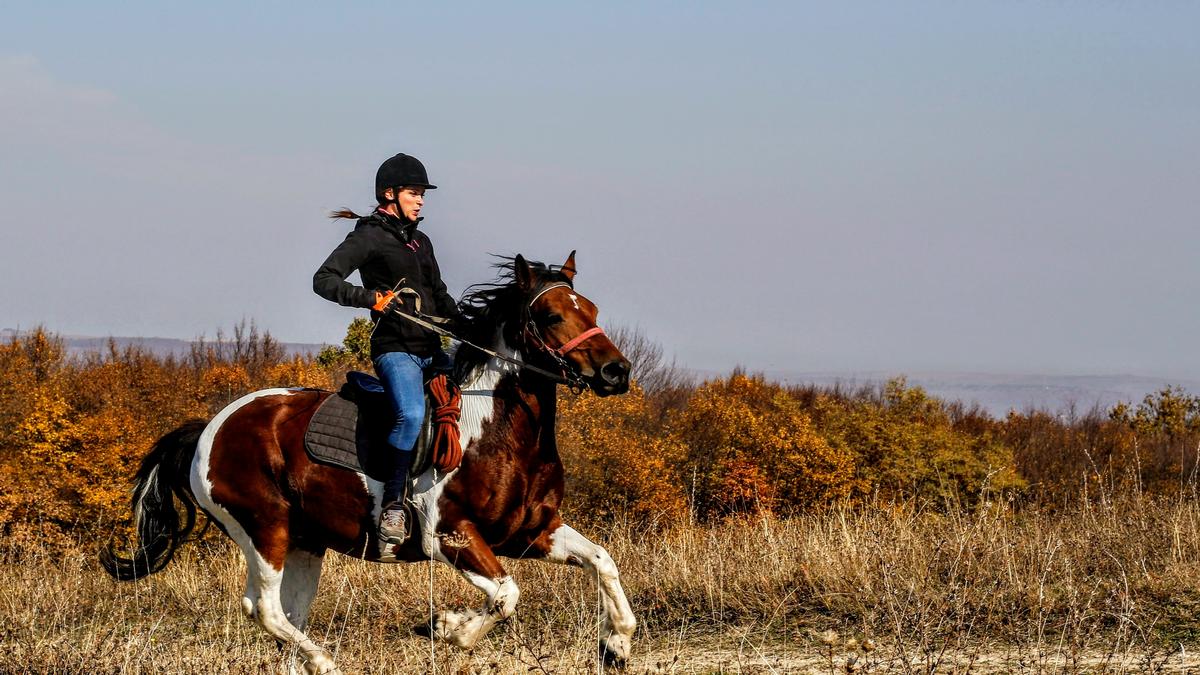
Scientists have challenged the claim that horse riding began after 2100 BC.
| Photo Credit: Sergiu Valena/Unslpash
Older dawn of horse-riding could have changed Eurasia
Scientists have challenged the claim that horse riding began after 2100 BC. They have reported archaeological evidence showing humans rode horses at least 1,000 years prior after analysing three early horse populations in Eurasia. Those at the Botai site indicated horse use by 3500 BC; skeletons of Yamnaya individuals in 3200-2600 BC revealed physical changes due to habitual riding. Early riding allowed these people to manage large herds and migrate vast distances, reshaping Eurasia’s genetic map.
More selective breeding can help pugs breathe easier
Researchers examined data from over 4,000 bulldogs, French bulldogs, and pugs to analyse brachycephalic obstructive airway syndrome, a disorder afflicting flat-faced dogs. They found a genetic link between nostril shape and overall breathing quality and that respiratory function is moderately heritable, meaning careful, selective breeding can improve dogs’ health. For canine welfare, the authors also recommended breeders use the Respiratory Function Grading Scheme to identify healthier parents and to pick functional traits over appearance.
Humans’ mercury footprint was evident millennia ago
A Greenland ice core has revealed a 12,000-year record of mercury deposits. Among other things, scientists found human impact began earlier than believed. The core showed levels started rising in the Bronze Age due to mining in Eurasia. Accumulation further intensified in the 13th century and exploded in the industrial era. The findings suggest humans have disrupted the mercury cycle for two millennia and that current models are wrong to focus on the last five centuries.
Published – May 17, 2026 08:00 am IST

