



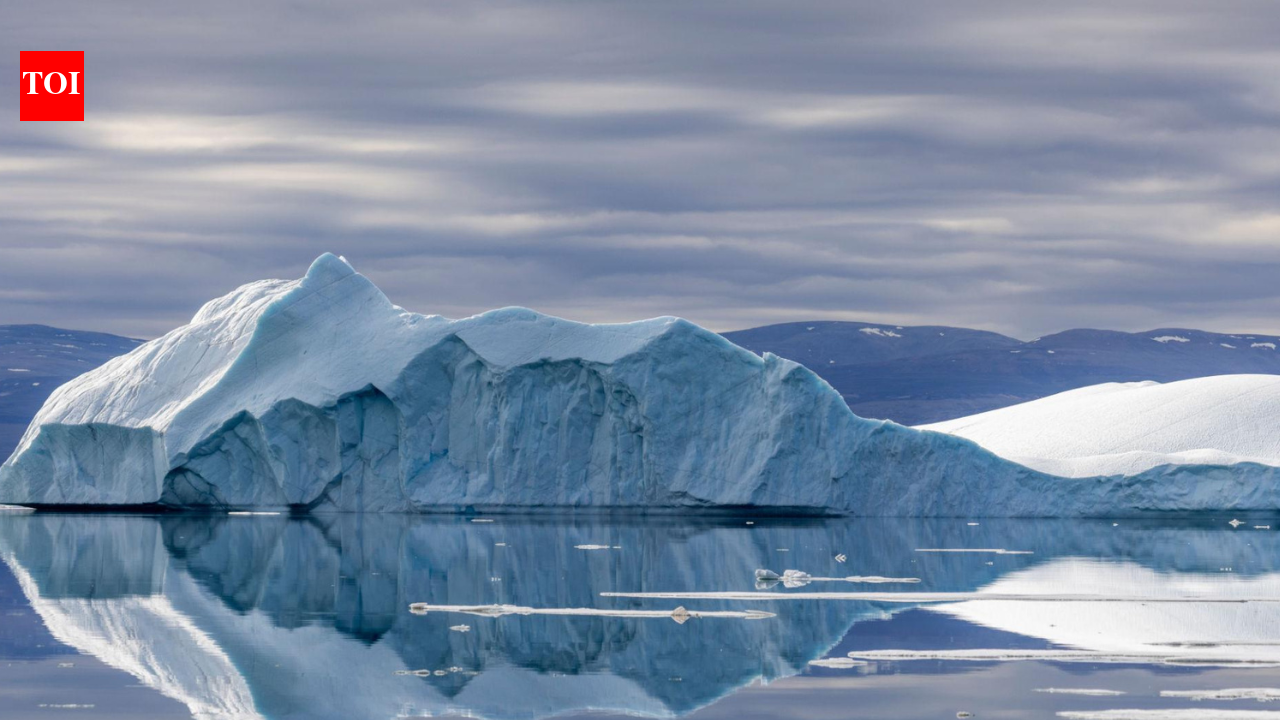
A buried glacier hidden beneath the Canadian Arctic is giving scientists a rare glimpse into Earth’s distant climatic past. Researchers studying permafrost on Bylot Island in Nunavut discovered ancient glacier ice believed to be at least 770,000 years old, making it one of the oldest known glacier remnants preserved in Arctic permafrost outside Greenland and Antarctica. The discovery emerged during investigations into landslides and thawing ground caused by climate warming, but the age of the ice quickly transformed the site into a major scientific interest. Researchers say the glacier may preserve valuable evidence about ancient ecosystems, Earth’s magnetic history and how Arctic environments survived dramatic climatic shifts during the Pleistocene epoch.
How scientists 770,000-year-old glacier
The discovery began when researchers led by geomorphologist Daniel Fortier from the University of Montreal were studying thermokarst activity and landslides on Bylot Island in the Canadian Arctic Archipelago. Thermokarst refers to the rapid erosion and collapse of ice-rich permafrost caused by warming temperatures.While examining exposed permafrost layers, the team identified unusual buried ice formations sitting above an ancient fossil forest. Organic material trapped within the deposits was radiocarbon dated to more than 60,000 years old, already exceeding the normal dating limits for many organic samples.Further analysis of magnetic minerals preserved in surrounding sediments revealed evidence linked to the Brunhes-Matuyama geomagnetic reversal, a major reversal of Earth’s magnetic field that occurred roughly 770,000 years ago. That magnetic signature helped researchers estimate the glacier’s remarkable age.
Why the glacier matters to climate science
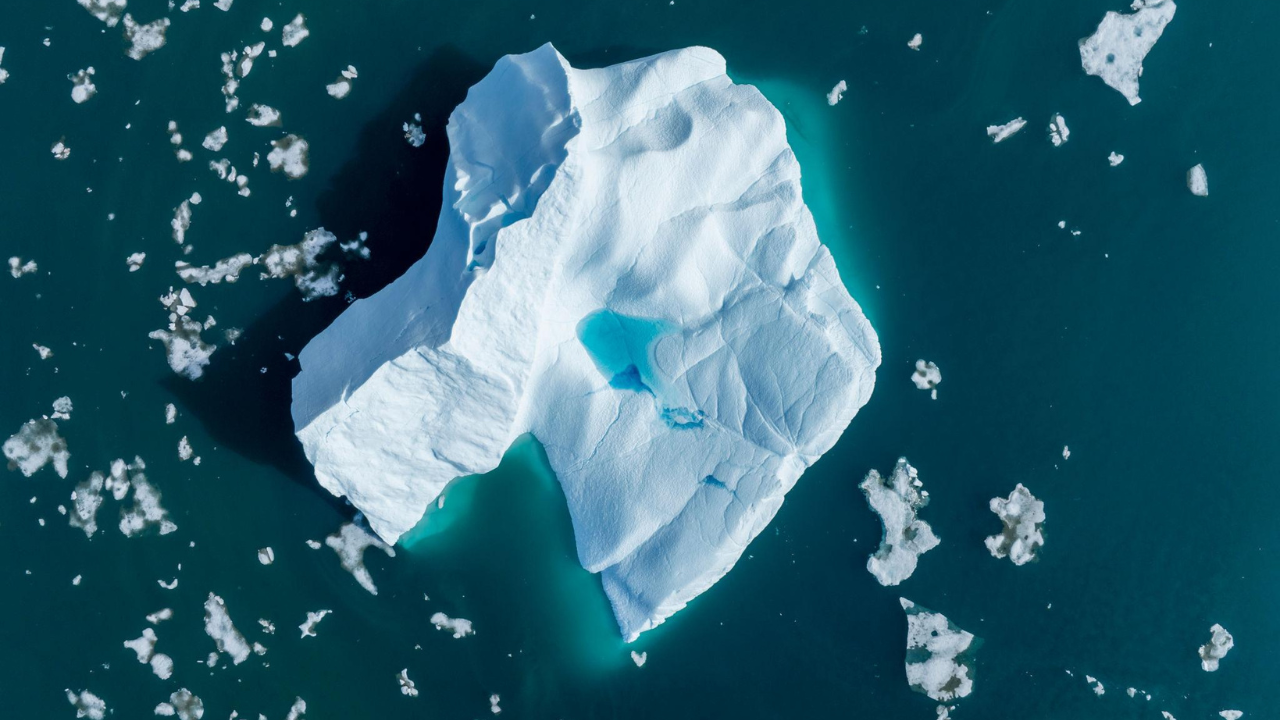
Scientists consider glaciers and permafrost to be natural climate archives because they preserve environmental information across immense periods of time. Ancient ice can contain trapped particles, plant remains, isotopic records, microorganisms and even traces of ancient DNA.The Bylot Island glacier is particularly valuable because it offers a rare opportunity to study how Arctic ice systems survived previous warm periods in Earth’s history. Researchers hope the site can improve understanding of how glaciers and permafrost respond to long-term climatic changes.The discovery may also help scientists reconstruct environmental conditions during the Pleistocene epoch, a geological period marked by repeated ice ages and major shifts in global climate patterns.
The link to Earth’s magnetic field
One of the more unusual aspects of the discovery involves Earth’s ancient magnetic field. Researchers found that magnetic minerals preserved in sediments associated with the glacier aligned with the Brunhes-Matuyama reversal, when Earth’s magnetic poles switched approximately 770,000 years ago.This magnetic reversal is widely used by geologists as a chronological marker because it appears in rock and sediment records around the world. Finding evidence of that event within the Arctic deposits gave scientists an important clue about the glacier’s age and the stability of the surrounding permafrost over hundreds of thousands of years.
Why scientists are worried about modern warming
Although the glacier survived multiple ancient climate fluctuations, scientists warn that modern Arctic warming is happening at an unusually rapid pace. Parts of the Arctic are warming several times faster than the global average, accelerating permafrost thaw and coastal erosion.Researchers are concerned that continued warming could destabilise ancient ice deposits and permanently destroy environmental records preserved within them. As frozen ground thaws, previously trapped carbon and methane can also be released into the atmosphere, potentially intensifying climate change further.The discovery therefore highlights both the resilience and vulnerability of Arctic permafrost systems. While the glacier managed to survive for hundreds of thousands of years beneath frozen ground, scientists say accelerated modern warming may threaten these ancient archives far more quickly than natural climatic shifts in the distant past.
A frozen archive from another world
For researchers, the buried glacier represents far more than ancient ice. It is a preserved record of a prehistoric Arctic landscape that existed long before modern civilisation emerged. Every layer of sediment and frozen material contains clues about how Earth’s climate evolved over immense stretches of geological time.As scientists continue analysing the site, the glacier could help refine climate models and improve understanding of how Arctic systems respond to environmental change. In a warming world where permafrost is rapidly disappearing, discoveries like this are becoming increasingly important because once these frozen archives melt, much of the information they contain may be lost forever.
