



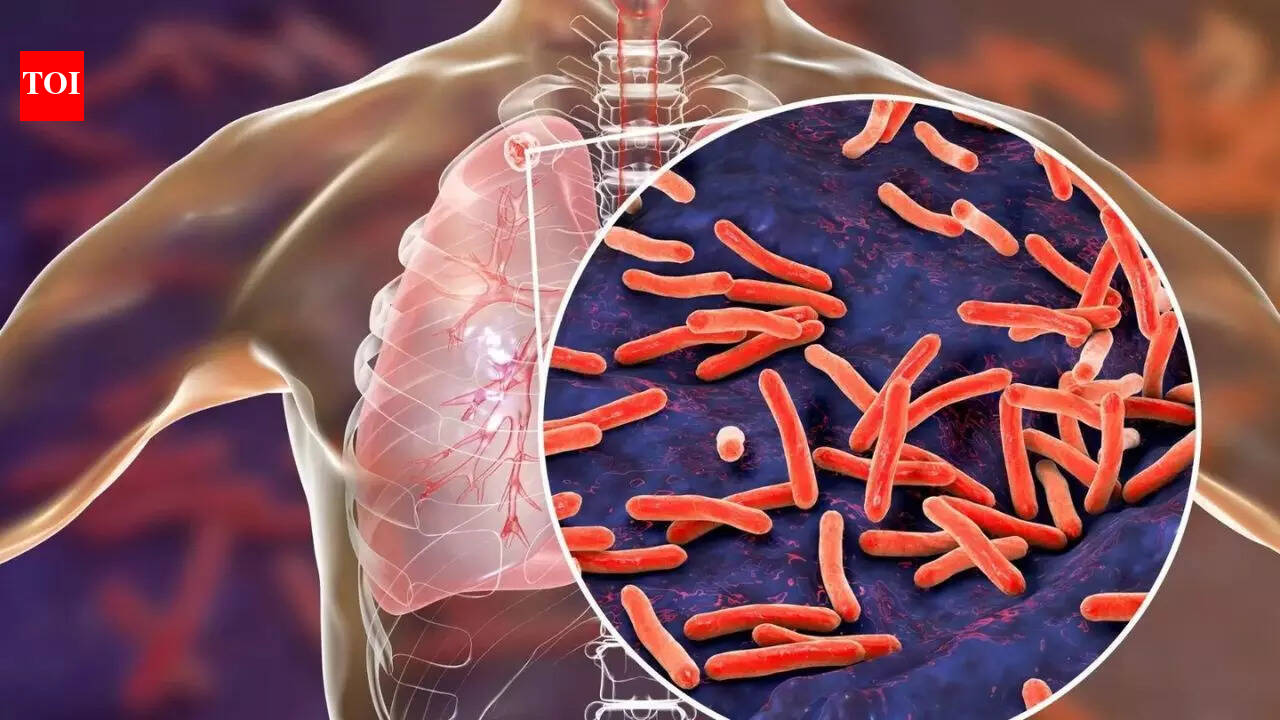
NEW DELHI: India may be making progress against tuberculosis, but the scale of the challenge remains stark—accounting for nearly a quarter of the world’s TB cases even as millions of infections continue to go undetected.Tuberculosis continues to be India’s biggest infectious disease challenge, according to the Tuberculosis Fact Sheet 2026 released by the Centre. India contributes about 25% of the global TB burden, with five countries together accounting for over half of all cases worldwide.At the World TB Day 2026 national launch event in Greater Noida, Union health minister J P Nadda said India is on track to eliminate TB ahead of global targets, driven by a “jan bhagidari” approach under PM Narendra Modi’s leadership. He cited a 21% decline in TB incidence and a 25% reduction in deaths between 2015 and 2024, with treatment coverage now at 92%.Recent data supports this trend. Treatment success rates have improved to around 90%, while over 26 lakh cases were notified in 2024, the highest ever, reflecting stronger detection efforts.A major push has come from the TB Mukt Bharat Abhiyan, which has focused on identifying hidden and high-risk cases. More than 20 crore people have been screened, leading to the detection of over 32 lakh TB patients, including a large number of asymptomatic cases. Nadda said intensified case-finding has reduced undetected cases from over 10 lakh to under one lakh.He also announced a 100-day intensified campaign covering 1.58 lakh villages and urban wards, along with the launch of an AI-enabled TB Mukt Bharat app to improve access to care and treatment tracking.The factsheet highlights that TB remains closely linked to poverty, malnutrition and living conditions, with economically vulnerable populations at higher risk. People with diabetes, HIV, smokers, alcohol users and those living in crowded settings are particularly susceptible. At the same time, drug-resistant TB remains a concern, with over 55,000 cases reported in 2024, requiring longer and more complex treatment.Despite progress, gaps remain. Nearly 64% of people with TB symptoms do not seek care due to stigma, lack of awareness or affordability issues, leading to delayed diagnosis and continued transmission.To address this, the government has combined community outreach with technology. Initiatives like the Ni-kshay Mitra programme have mobilised volunteers to provide nutritional and social support, while digital tools such as the TB Mukt Bharat app are helping streamline care.Emphasising increased funding and indigenous innovations like TrueNat, Nadda said TB is both preventable and curable, stressing the need to reduce stigma and ensure early diagnosis and treatment.Health officials underline that TB symptoms go beyond a persistent cough and can include fever, weight loss, fatigue, chest pain and night sweats, making early testing critical.
