



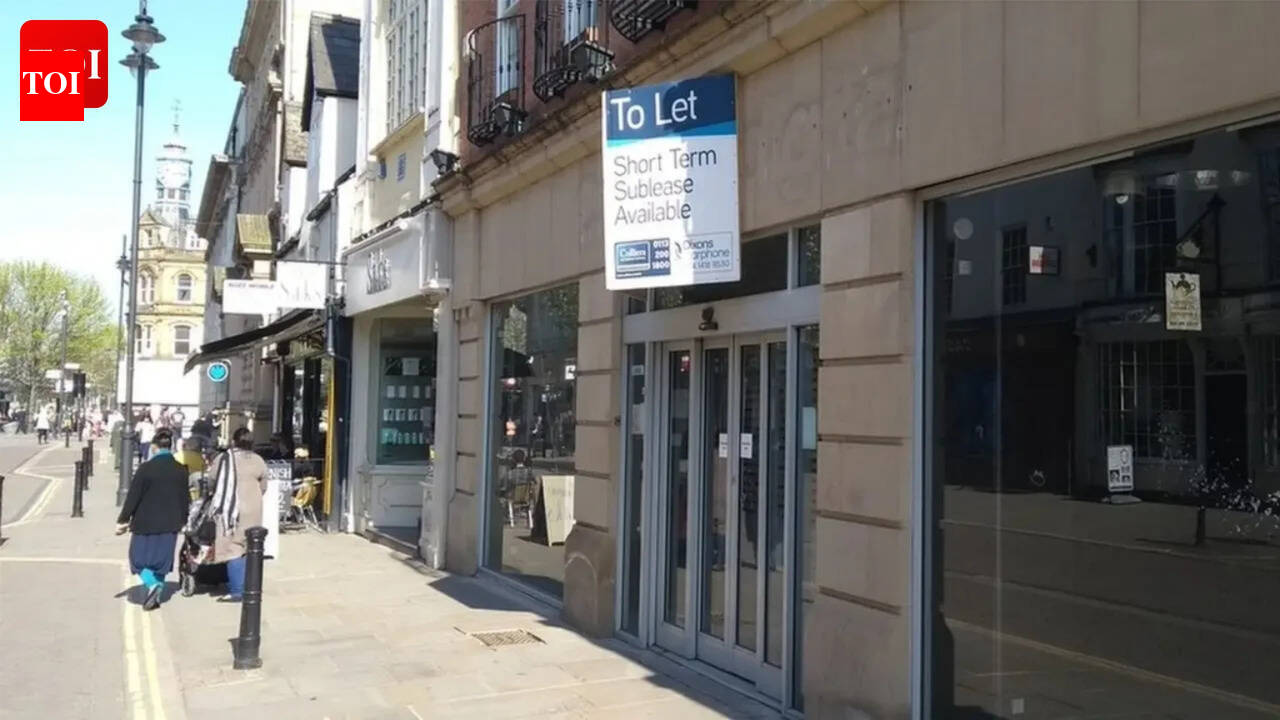
The British high street looks a lot different lately, and not in a good way.Everywhere you turn, it seems another big name is packing up. Supermarkets, banks, fashion chains — some of the UK’s most familiar brands are locking their doors and leaving main streets up and down the country looking emptier by the week. Per The Sunday Guardian, Morrisons is pulling the plug on about 100 of its convenience stores. Lloyds Banking Group just announced another avalanche of branch closures, with both Lloyds Bank and Halifax locations vanishing. And it’s not just them: fashion retailers are quietly slipping out of town, struggling with rising costs and shoppers who’d rather click than visit in person.If you add it all up, over 150 high street shops and branches are either already closed or about to be. The message is clear: Britain’s shopping streets are shaking up once again. Those shuttered doors tell a bigger story. Retailers and banks aren’t just talking about tighter budgets; they’re dealing with people who hold on to their wallets, and more of us choosing the internet for everything from groceries to our money.And as for losing these shops, for plenty of towns, especially the smaller ones, it’s about more than just business. It’s a sign things are changing, and not always for the better.
Why is this happening?
The reasons differ, but there’s a clear pattern.First off, people’s habits have shifted. Online shopping is now the norm, not the exception. Most of us would rather do our banking on an app than queue up in person. Banks like Lloyds say their branches just aren’t busy anymore, as almost everyone does things digitally.But there’s more. Shop owners are juggling bigger bills these days: higher wages, soaring energy costs, tough rents, inflation, delivery headaches… You name it. Margins are thinner, so it gets harder to justify keeping every location open. Unsurprisingly, businesses are rethinking their strategy and closing down places that aren’t making enough money.And there’s the big picture: the high street isn’t just competing with the shop next door anymore. It’s up against unstoppable online retailers, next-day deliveries, and digital-first brands with much lower costs. The result? Companies are doubling down on their busiest branches and shovelling money into their online presence.Take Morrisons, for example. The grocery giant is slated to close about 100 Morrisons Daily convenience stores across the UK. Many of those were snapped up when Morrisons bought McColl’s, but even with all their efforts, a lot of the new shops just aren’t making enough money to stay open.Local communities are worried, and not just about their groceries, but also because some of these stores have Post Office counters. In smaller towns and suburbs, that could mean people lose access to essential services.Banks are on the same track. Lloyds Banking Group says another 79 of its branches are shutting, that’s 31 Lloyds Banks and 48 Halifax sites. Add in prior closures, and it comes to about 245 branches set to vanish by 2026 or 2027. Some people, especially older and more vulnerable customers, are anxious. Not everyone’s comfortable banking through an app, and losing a branch can leave whole groups behind.The high street fashion world isn’t spared, either. Quiz, the women’s fashion chain, is closing all 37 of its last remaining shops after going into administration. A few concessions will survive inside other retailers, but the stand-alone high street shops are over for them. River Island, Ted Baker, Whistles, and Phase Eight have each hit their own rough patches. Even Claire’s, known for accessories and ear piercing, cleared out its independent stores after its own financial trouble, though you’ll spot some counters inside larger shops still.
Which brands are closing up shop?
Here’s a quick rundown of some of the big names closing stores or branches:Claire’s: Closed all 154 standalone stores in the UK and Ireland, around 1,300 jobs gone. Some concessions are left inside department stores, but it’s the end of an era.Quiz: Wrapped up all remaining stores and is in administration. Hundreds of jobs lost.Poundland: More than 100 locations gone as the chain tries to get leaner.River Island: Closing selected locations as it tries to stay competitive against online-only rivals.Ex-WH Smith stores: Many high street shops rebranded after WH Smith sold them are reportedly at risk, with weak demand putting their future in doubt.GAME, Revolution Bars, TGI Fridays, House of Fraser, and some Dr. Martens shops are also on the list — each one reviewing how many physical sites they actually need.
What’s next for the high street?
Is this the end of the British high street as we know it? Not quite, but it’s definitely going through a massive change.Experts think future town centres will lean less on shopping and more on food, drinks, leisure, healthcare, and community spaces. Shops aren’t disappearing entirely, but you’ll see businesses being a lot pickier about where they set up.For shoppers, the evidence is everywhere. Empty windows. Fewer banks. Shrinking shop numbers.Retailers keep trimming costs and adjusting as we all spend and live differently. If the current trend continues, those “sorry, we’re closed” signs won’t be going away any time soon.

