



3 min readJul 28, 2026 04:51 PM IST
First published on: Jul 28, 2026 at 04:51 PM IST
By Pratyush Kanth
The defining story of the recent student movement is not the protest itself. Democracies are meant to witness protests. The defining story is how the Government of India responded. For nearly a decade, Prime Minister Narendra Modi has been portrayed by his political opponents and sections of the international media as an authoritarian leader intolerant of dissent. Every political controversy has been presented as fresh evidence to reinforce that narrative. The recent student movement has challenged that assumption.

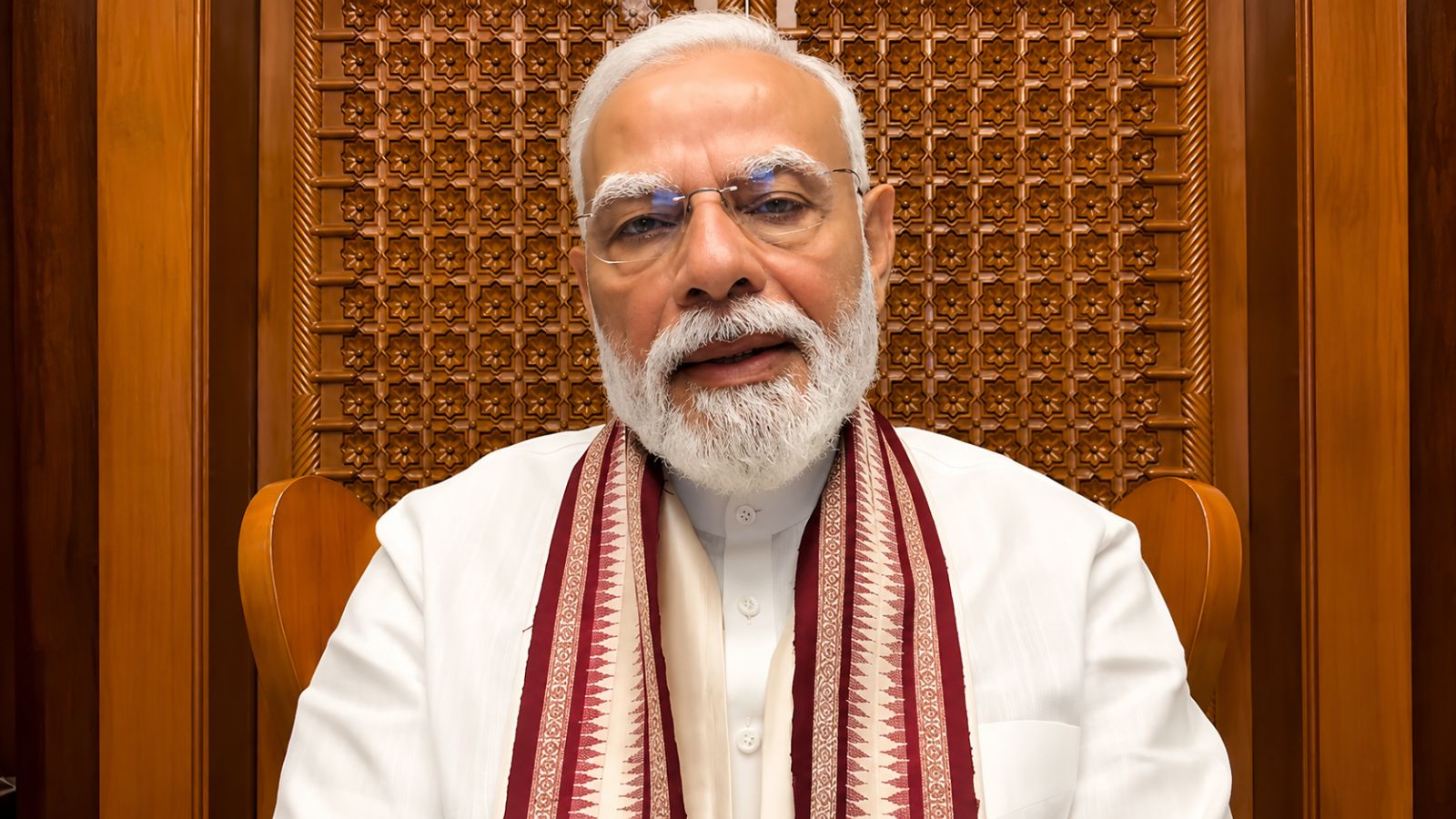
Faced with student protests at Jantar Mantar, the Modi government had several options. It could have dug in its heels, dismissed the agitation, or prolonged the confrontation. Instead, it chose accountability and dialogue. Union Education Minister Dharmendra Pradhan resigned, accepting political responsibility despite his widely acknowledged contributions to educational reforms. More importantly, Prime Minister Modi entrusted senior Union ministers J P Nadda and Jitendra Singh with negotiating directly with representatives of the protesting students, including the Cockroach Janta Party. Those negotiations culminated in a peaceful settlement.
Rahul Gandhi and Congress attempted to reduce a genuine student movement into another anti-Modi political campaign. Rather than helping build consensus, they tried to weaponise student anxiety for electoral advantage. They wanted confrontation. The government chose reconciliation.
Critics may argue that political considerations influenced the government’s decisions. Naturally, they did. Politics is inseparable from democracy. What matters is the outcome. The government listened, accepted responsibility and altered its position in response to public sentiment. That is democratic confidence, not authoritarian insecurity.
Nor was this an isolated instance. The repeal of the three farm laws remains the clearest example. PM Modi addressed the nation, acknowledged that his government had failed to convince a section of farmers, apologised and withdrew the legislation.
Similarly, numerous policies and legislative proposals have evolved after consultations with citizens, state governments, parliamentary committees and industry stakeholders. Through initiatives such as MyGov and Mann Ki Baat, the Modi government has consistently sought direct engagement with citizens rather than insulating itself from public opinion. None of this places the government beyond criticism. Democracies require scrutiny. Opposition parties, civil society and the media must continue questioning those in power. But criticism must also acknowledge facts that challenge preconceived narratives.
The students were never enemies of the republic. They are India’s future administrators, entrepreneurs, teachers, scientists and political leaders. Engaging them through dialogue reaffirmed a simple democratic truth: Governments derive legitimacy not only from elections but also from their willingness to listen between elections.
This episode also deserves closer attention internationally. Too often, commentary on India begins with a conclusion and then searches for supporting evidence. The world’s largest democracy is far more complex than such simplistic binaries allow.
When India protested, PM Modi chose dialogue. He chose accountability. He chose democracy. That may disappoint Rahul Gandhi, Congress and many of PM Modi’s international critics who have invested years in portraying him as an authoritarian. But it is a fact, and it deserves to be acknowledged.
The writer is national spokesperson, BJP
