



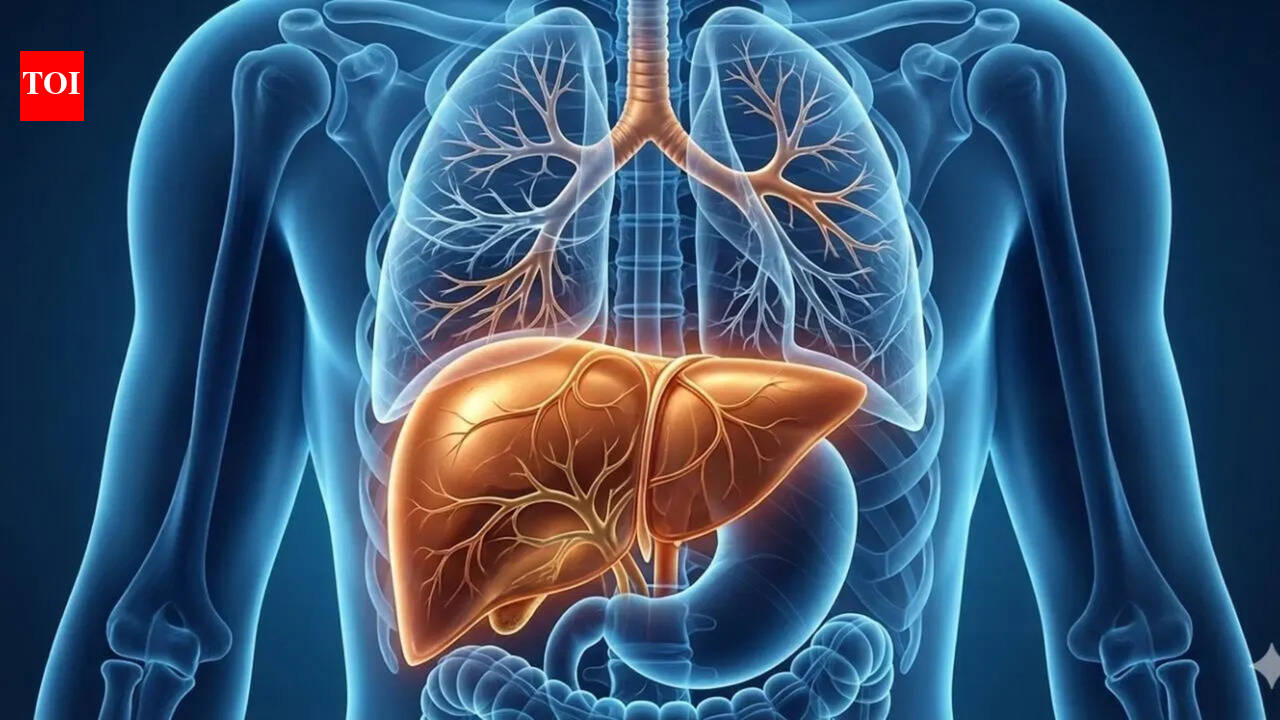
An AI-generated image used for representation purposes only.
NEW DELHI: About 1.3 billion people around the world were living with Metabolic dysfunction-associated steatotic liver disease (MASLD) in 2023, marking a 143 per cent increase since 1990, a study published in The Lancet Gastroenterology and Hepatology journal has estimated.The analysis, based on data from the Global Burden of Diseases, Injuries, and Risk Factors Study (GBD) 2023, also projected that global cases of MASLD could rise to about 1.8 billion by 2050, driven largely by population growth and lifestyle changes, including increasing rates of obesity and high blood sugar.Researchers forming the GBD 2023 MASLD Collaborators also found that regions such as North Africa and the Middle East had disproportionately higher rates of MASLD than other regions.They also found that although more people are developing the disease, the overall impact on health — measured in years lost due to illness or death — has remained stable.The result suggested that advances in treatment and care are helping people live longer and healthier, and that the increase in the number of cases is mostly happening in the early stages of the disease, the researchers said.However, the growing number of cases still means that many people are at risk of developing serious complications including liver cirrhosis or cancer in the future, they said.The findings highlight that MASLD is increasingly affecting younger adults in low- and middle-income countries, amid urbanisation and lifestyle changes, the team said.The study also underscores the importance of recognising MASLD as a global health priority and of developing dedicated policies, awareness campaigns, and interventions to mitigate its growing impact and prevent future complications, they said.“In 2023, approximately 1.3 billion individuals were estimated to be living with MASLD (ie, 16.1 per cent of the global population), with an age-standardised prevalence rate of 14,429.3 per 1,00,000 population, representing a percentage increase of 142.7 per cent in crude numbers from 1990 and of 28.6 per cent in the rate (11,217.2 per 1,00,000 in 1990),” the authors wrote.

