



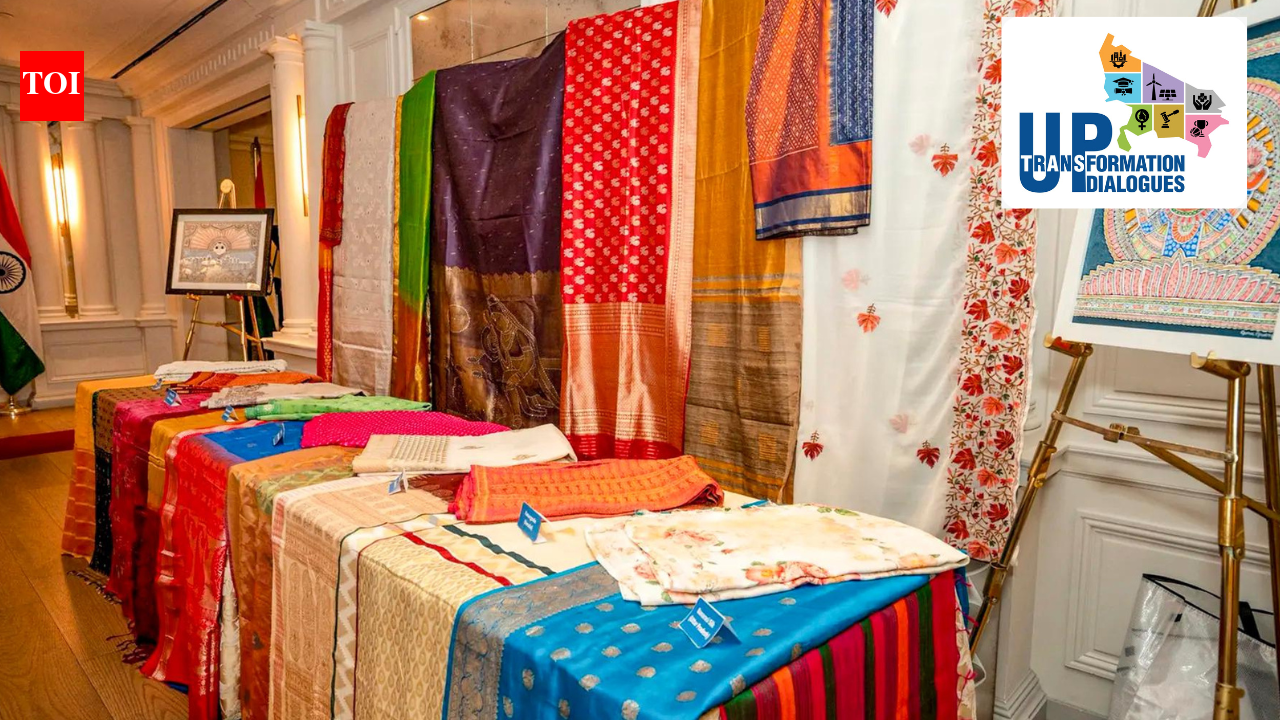

(BOX) ODOP initiative has fundamentally changed the fortunes of artisans in Uttar Pradesh’s small towns. By combining The skill development, finance, technology, branding, infrastructure, and market access, it has transformed traditional crafts from struggling occupations into viable economic enterprises. The scheme has generated lakhs of jobs, expanded exports, revived endangered crafts, and empowered artisans to participate in national and global markets.For thousands of craftsmen, weavers, woodworkers, metal artisans, embroiderers, and farmers across Uttar Pradesh, ODOP has not merely been a government scheme—it has been a pathway from subsistence to prosperity, ensuring that traditional skills continue to thrive in the modern economy. The One District One Product (ODOP) initiative, launched by the Uttar Pradesh government in January 2018 only few months after he assumed the charge of the Chief Minister. This initiative has emerged as one of the most significant economic and social transformation programs for artisans, craftsmen, weavers, and small entrepreneurs across the state’s towns and villages. By identifying and promoting a unique traditional product from each district, the scheme has revived dying crafts, expanded market access, increased incomes, generated employment, and transformed local economies.The ODOP not only benefited little known artisans of smaller places but also caught fancy of policy makers and social activists all over the country.Reviving traditional crafts and heritageBefore ODOP, many traditional crafts of Uttar Pradesh were struggling due lack of branding modern technology, market access, and financial support. Younger generations were increasingly abandoning ancestral occupations because of low incomes and uncertain demand.Imagine, the Khadi clothes are now seen of modeling ramps and available on global platforms. It was solely due to the lead taken by Uttar Pradesh.According to economic and social experts, this ODOP endeavour also changed the fortune of manyplaces which were striving for progress , growth and popularity for long.ODOP identified a signature product from each district and created a structured ecosystem to support it. Examples include: Chikankari and Zari-Zardozi from Lucknow Locks of Aligarh Textile products of Ambedkarnagar Jaggery products of Ayodhya ‘Dholak’ of Amroha Brassware from Moradabad Carpets from Bhadohi Banarasi Silk Sarees from Varanasi Wood Carving from Saharanpur Glassware from Firozabad Flutes from Pilibhit Kala Namak Rice from SiddharthnagarBy giving these products a distinct identity and government support, ODOP helped preserve centuries-old craftsmanship while making it economically viable.Bringing markets to the doorstep of artisansOne of the biggest challenges faced by artisans in small towns was the absence of direct market access.Most producers depended on middlemen who captured a large share of profits.ODOP addressed this problem through: Participation in national and international trade fairs Buyer-seller meets E-commerce partnerships Branding and packaging support Marketing Development Assistance (MDA)As a result, products that were once sold only in local markets began reaching customers across India and abroad. Artisans gained better prices and wider recognition for their work.Skill development and modernizationMany traditional artisans possessed exceptional craftsmanship but lacked exposure to modern production methods and market trends.The ODOP Skill Development and Toolkit Scheme introduced: Technical training Design development Entrepreneurship training Modern toolkits Quality improvement programsMore than one lakh artisans have received training and modern toolkits under the scheme, helping improve productivity, product quality, and competitiveness in domestic and international markets.Financing and loaningLack of working capital had long constrained the growth of artisan enterprises. Banks were often reluctant to lend to small craftsmen.Through ODOP’s financial assistance and margin money schemes, artisans and micro enterprises gained access to: Bank loans Subsidies Credit support Working capital assistanceBy reducing financial barriers, many artisans were able to expand production, purchase better equipment, and establish small enterprises. ODOP has facilitated loans worth more than ₹6,000 crore since its launch.Common facility centres (CFCs)Small artisans often could not afford modern machinery or testing facilities individually.To overcome this challenge, the government established Common Facility Centres that provide: Shared machinery Design facilities Testing laboratories Packaging infrastructure Technology supportThese centres have improved productivity and enabled artisans to meet national and international quality standards. More than 30 Common Facility Centres have been established under the initiative.Employment generation in small townsPerhaps the most visible impact of ODOP has been employment creation. By strengthening local production ecosystems, the scheme has generated opportunities not only for artisans but also for traders, transporters, designers, exporters, and service providers.According to official data, ODOP has generated more than 3.16 lakh jobs since its inception. The program has helped reduce migration from small towns and rural areas by creating livelihood opportunities closer to home.Boosting exports and global recognitionODOP has transformed Uttar Pradesh into a major export hub for traditional and MSME products.The state’s exports have risen dramatically since the launch of the scheme. Government data indicates that exports increased from around ₹86,000 crore in 2017-18 to approximately ₹1.86 lakh crore, with ODOP and handicraft products contributing significantly to this growth.ODOP products have also gained international visibility through: G20 events G7 gift exchanges International trade fairs Global buyer engagementsProducts such as Banarasi silk, Moradabad brassware, and Saharanpur woodcraft are now reaching markets in Europe, the Middle East, North America, and East Asia.Success story: Kala namak riceThe revival of Kala Namak rice in Siddharthnagar illustrates ODOP’s impact. Before the initiative, cultivation had declined significantly due to weak market linkages and inadequate processing infrastructure.Under ODOP: Common processing facilities were established. New rice mills were encouraged. Farmers received market linkages and branding support. E-commerce channels were opened.As a result, farmers reportedly witnessed substantial increases in earnings, while the area under cultivation expanded several times over.Empowering women and familiesMany ODOP sectors such as chikankari, handloom weaving, embroidery, food processing, andhandicrafts employ large numbers of women.The initiative has strengthened: Women-led Self-Help Groups(SHGs) Home-based production units Family enterprises Rural entrepreneurshipThis has increased household incomes and promoted economic empowerment among women in small towns and villages.Creating pride in local identityBeyond economics, ODOP has restored pride in local heritage. Districts are now known not only by their geography but also by their unique products and cultural identity.The scheme has encouraged: Preservation of traditional skills Recognition of local artisans GI tagging of products Promotion of regional heritageToday, ODOP products have become ambassadors of Uttar Pradesh’s rich cultural traditions.
