



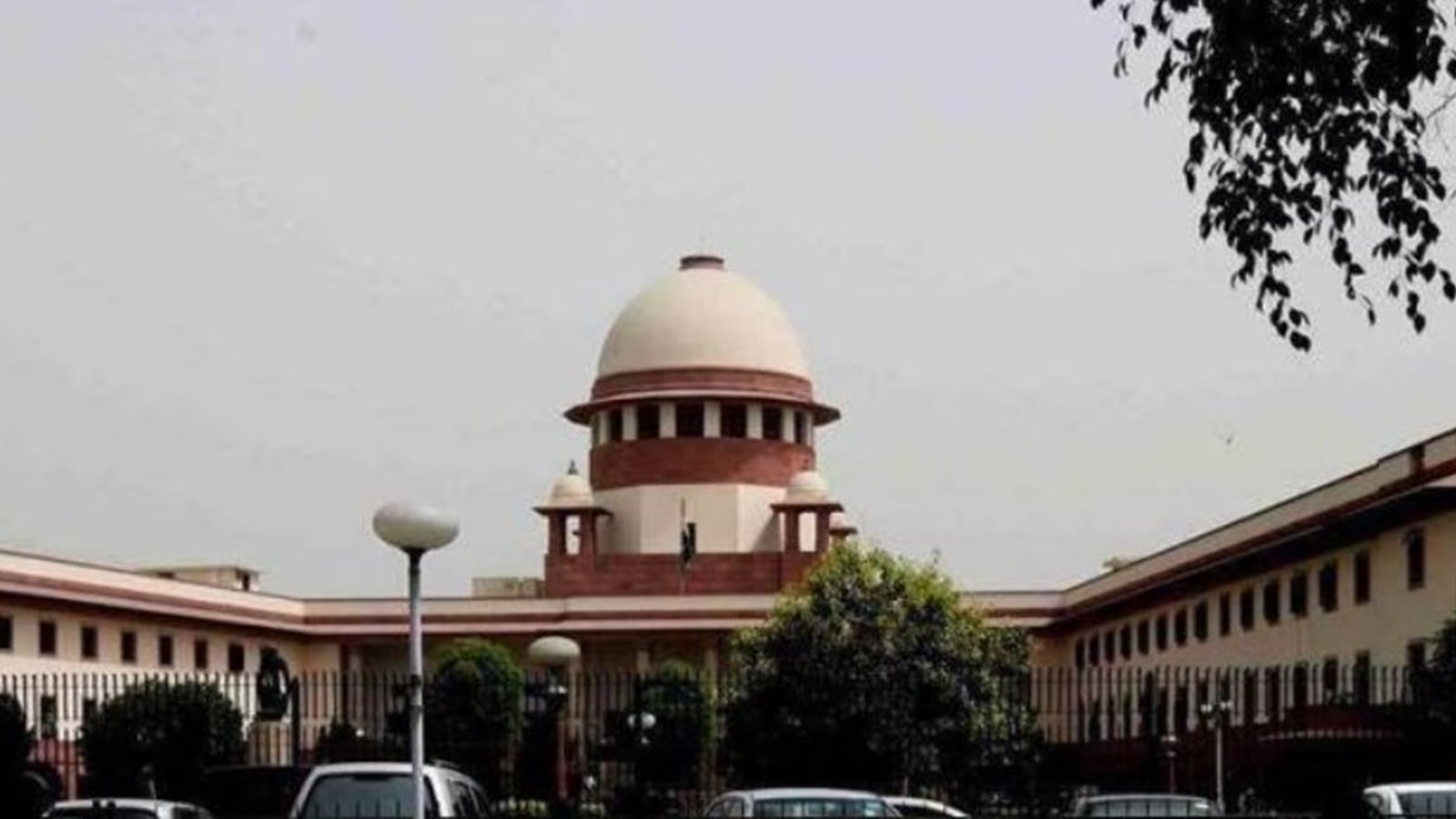
Law is viewed as a neutral system of rules, which is reactionary as opposed to a proactive system. However, sociological jurisprudence is very critical of this limited perspective and presents law as a dynamic tool of social change. Roscoe Pound had conceptualised law as a kind of social engineering, a way in which society actively tries to balance conflicting interests and redress established injustices. This vision, in its forceful manifestation, can be seen in the most recent acknowledgement of menstrual hygiene as a fundamental right by the Supreme Court.

The concept of law as social engineering does not imply the use of social control to enforce the law, but a deliberate use of the law to achieve a desired outcome in terms of collective benefit. The Supreme Court ruling is an important contribution as it tries to restructure menstruation as a personal biological reality into a constitutional state, which determines access to fundamental rights. This decision is fundamentally an advanced use of substantive equality, the enforcement of socio-economic rights, and purposive statutory interpretation.
The Court clearly goes beyond a formalistic interpretation of Article 14. The classical equality doctrine, which is based on the principle of “like being treated like”, is dismissed as inadequate when subjected to the gendered social realities. The Court acknowledges that a masculine educational system, where bodily requirements like menstruation are disregarded, leads to indirect discrimination against girls.
The most important thing in this case is the causal reasoning of the Court: Adolescent girls’ absenteeism and dropout rates are not viewed as social accidents but as something legally cognisable and the result of the state’s inaction. Thus, the issue of menstrual hygiene management becomes a constitutional requirement since, in its absence, the opportunity of equal access to education turns out to be a chimaera.
This scrutiny of equality comes along with the Court’s reading of Article 21. The ruling carries the Court’s trend of broadening the right to life to encompass dignity, privacy, and autonomy. The notion of dignity is not taken as an abstract moral right, but it is based on the daily capacity of a girl child to study in a school without shame, fear, and disenfranchisement. Lack of facilities to manage menstrual hygiene is therefore presented as a crime against the integrity of the body and even against what is known as “decisional autonomy”, especially when it forces girls to skip school or even quit school altogether.
What is especially important about the judgment is the constitutionalisation of the Right of Children to Free and Compulsory Education Act, 2009. Instead of viewing the Act as an independent statutory framework, the Court interprets sections 3 and 19 in the context of Articles 14, 21 and 21A. The clause of providing free education under Section 3 is construed in a substantive manner: Education cannot be free when girls are forced to incur financial and social expenses of menstrual management.
The judgment acknowledges the structural and intersectional disadvantage that is amplified in combination with disability, socio-economic status, or rural marginalisation. The manner in which the Court has handled judicial remedies is also important. The specifications that have been given out — infrastructure, curriculum reform, teacher sensitisation, waste disposal, and monitoring — bring up the issue of judicial overreach. The Court, however, justifies this intervention by putting it in a context of continued failure of the institutions, despite prevalent schemes and policies.
Where executive inertia becomes detrimental to fundamental rights, the Court exercises its power to provide structural remedies. The guidelines are put in place not as alternatives to permanent governance, but as tools to bring constitutional mandate to effective operation until the state fulfils its mandate effectively.
The ruling is a sound affirmation of substantive equality and rights-based rule. It reinforces the institutional premises of socio-economic rights, enhances the scope of Article 21 and reinvigorates the power of judicial action against structural injustice. From broadening the meaning of life and liberty to overturning patriarchal and heteronormative legal regimes and addressing menstrual stigma, the Supreme Court has been a deliberate tool of social change through the use of law.
Patil is Vice Chancellor, National University of Study and Research in Law, Ranchi. Singh is a research assistant, NUSRL, Ranchi
