



4 min readMay 22, 2026 06:16 PM IST
First published on: May 22, 2026 at 06:16 PM IST
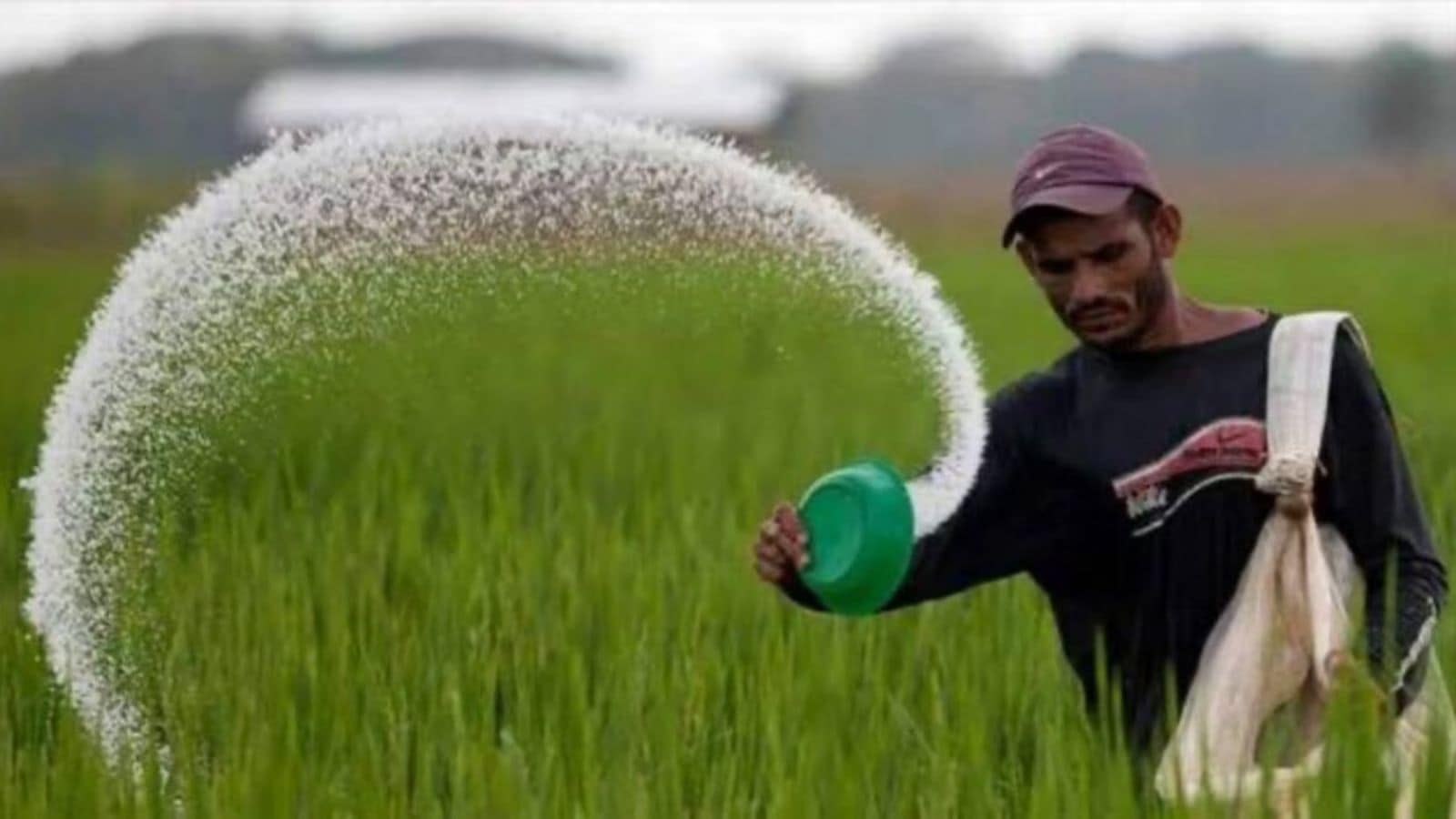
India’s fertiliser problem has quietly changed character. For the first several weeks after Iran effectively closed the Strait of Hormuz in the aftermath of the US-Israel strikes in late February, the dominant anxiety in New Delhi was physical: Would the fertilisers arrive, and in time? With the critical kharif sowing season beginning in June, the real issue is no longer whether India can source enough fertiliser but whether New Delhi can keep paying for the guarantee that it will.
India’s fertiliser production declined 24.6 per cent in March 2026, the sharpest single-month contraction in recent memory, after output had expanded for three consecutive months prior. The government has committed to absorbing the cost of guaranteeing supply, and if the Gulf conflict endures, that commitment may prove open-ended in ways the fiscal budget cannot easily accommodate. With the sowing season peaking in June, allowing farm input costs to rise visibly would risk both food price inflation and a damaging squeeze on agricultural incomes at precisely the wrong moment in the crop calendar. New Delhi’s response was swift, and on April 8, the cabinet approved a roughly 12 per cent increase in the nutrient-based subsidy for the Kharif 2026 season, while keeping the retail price of DAP (diammonium phosphate) flat.

India needs to source nearly four times its current urea opening stocks to meet kharif requirements, and that gap must be bridged through imports purchased at crisis-level global prices. Each additional tonne represents a subsidy liability the exchequer bears, materialising as fiscal pressure on the government’s books. The subsidy mechanism, by design, converts this supply shock into a spending shock. A third of the world’s fertilisers normally transit the strait, and unlike oil, there is no strategic reserve architecture or mature alternative routing. Compounding this is the monsoon outlook. On April 13, the IMD forecast below-normal rainfall for the 2026 southwest monsoon season at 92 per cent of the Long Period Average, the first such forecast in three years, driven primarily by the expected development of El Niño conditions between June and September. For kharif crops such as paddy, cotton, pulses, and oilseeds, the second half of the season is precisely when El Niño’s effect is expected to be sharpest and when standing crops are most water-dependent. Therefore, India is now navigating a fertiliser supply shock and a weakening monsoon in the same crop season.
Sustainable Development Goal 2, the UN’s Zero Hunger goal, is a 2030 target the world is already struggling to meet. India’s position on this goal is one of visible progress, shadowed by persistent vulnerability: It has reduced its undernourished population from 243 million in 2006 to around 172 million today, yet it still ranks 102nd out of 123 countries on the 2025 Global Hunger Index. For a country of India’s scale, any season that compresses agricultural yields may not reverse the trajectory on SDG 2, but it makes the road towards sustainable development measurably harder.
Absorbing rising global fertiliser costs through the subsidy system is a well-established instrument of agricultural price stability in India, and its role in protecting farm incomes is not in dispute. The more pressing question is structural: How long can that absorption continue if the Gulf conflict persists, and what combination of supply diversification, demand-side efficiency, and domestic capacity expansion can reduce India’s exposure over time?
The writer is a fellow at the Observer Research Foundation
