



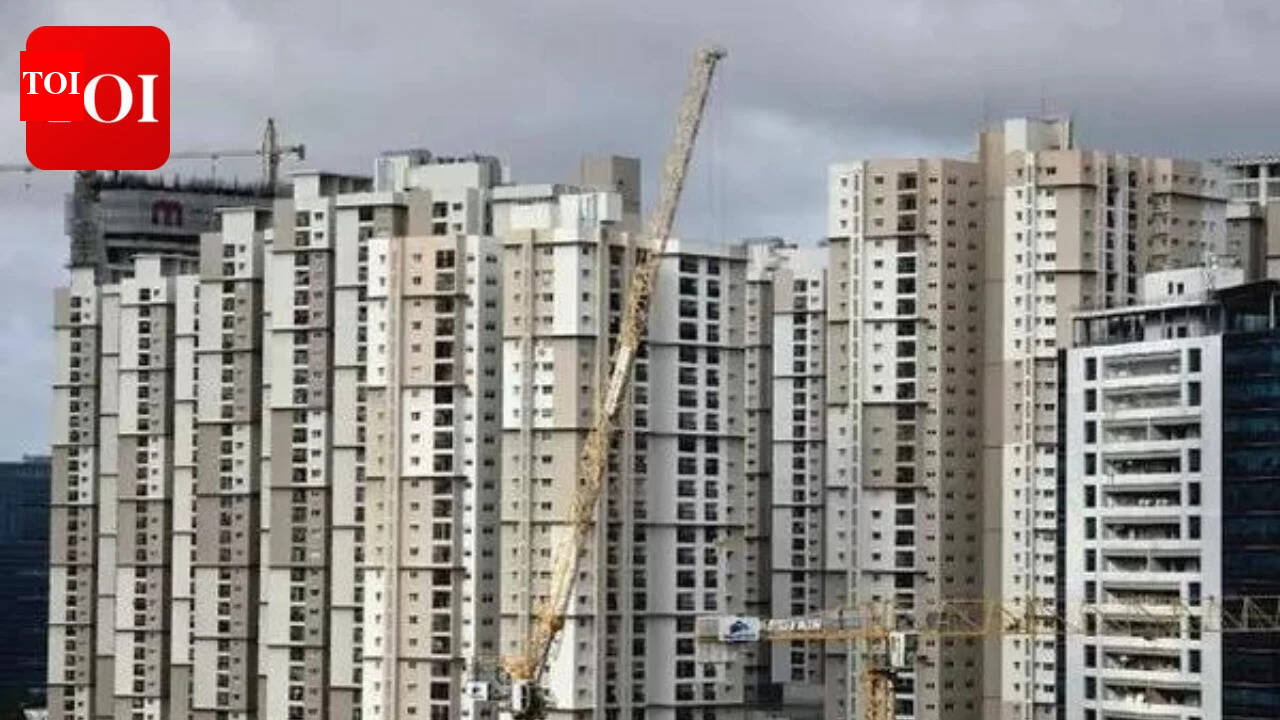
India’s housing and urban development sector is heading towards a significant shift, supported by rapid urbanisation, infrastructure growth and ongoing policy reforms, according to a recent KPMG report.The report highlighted that India’s urban population is expected to reach about 40% by 2036, with nearly half of the country likely to be living in cities by 2050. It added that that the decisions taken in housing, urban planning and financing today will play a key role in shaping the country’s progress towards Viksit Bharat 2047.It further stated that real estate is now being recognised not just as a measure of economic activity, but as a core driver of growth, employment generation and urban quality of life.A major focus area identified in the report is the expansion of affordable housing, especially for Economically Weaker Sections (EWS) and Low-Income Groups (LIG). However, the segment continues to face challenges such as rising land prices, delays in approvals, fragmented regulatory procedures and limited access to finance, which affect project execution.To address these constraints, the report recommends a set of interventions including higher floor area ratio (FAR) for affordable housing developments, faster clearances through single-window approval systems, digitised land records and reduced development charges. It also stressed the need to improve last-mile infrastructure and align urban master plans with current growth trends.The report also points to the growing importance of rental housing as part of urban policy. It notes that the segment remains largely unorganised and informal, with low institutional investment and limited appeal for investors due to modest returns.According to the report, rental housing can be developed into a more structured market through measures such as GST rationalisation, inclusion under priority sector lending, conversion of vacant homes into rental units, and promotion of co-living and specialised housing for students, workers and senior citizens. It also supports the use of Affordable Rental Housing frameworks and monetisation of public assets to increase supply.On the regulatory front, the report called for stronger coordination and improved efficiency, particularly between the Real Estate (Regulation and Development) Act (RERA) and the Insolvency and Bankruptcy Code (IBC). It suggested early detection of stressed projects, integration of quarterly progress reporting systems, project-specific insolvency resolution mechanisms and better coordination between RERA authorities and insolvency professionals. These steps, it noted, would help prioritise project completion, protect homebuyers and reduce uncertainty in the sector.Thus ,as per the report, India’s urban transformation will depend on execution-focused reforms, stronger institutional systems and closer collaboration between public and private stakeholders, with affordability, rental housing development and regulatory stability forming the backbone of sustainable urban growth.
