



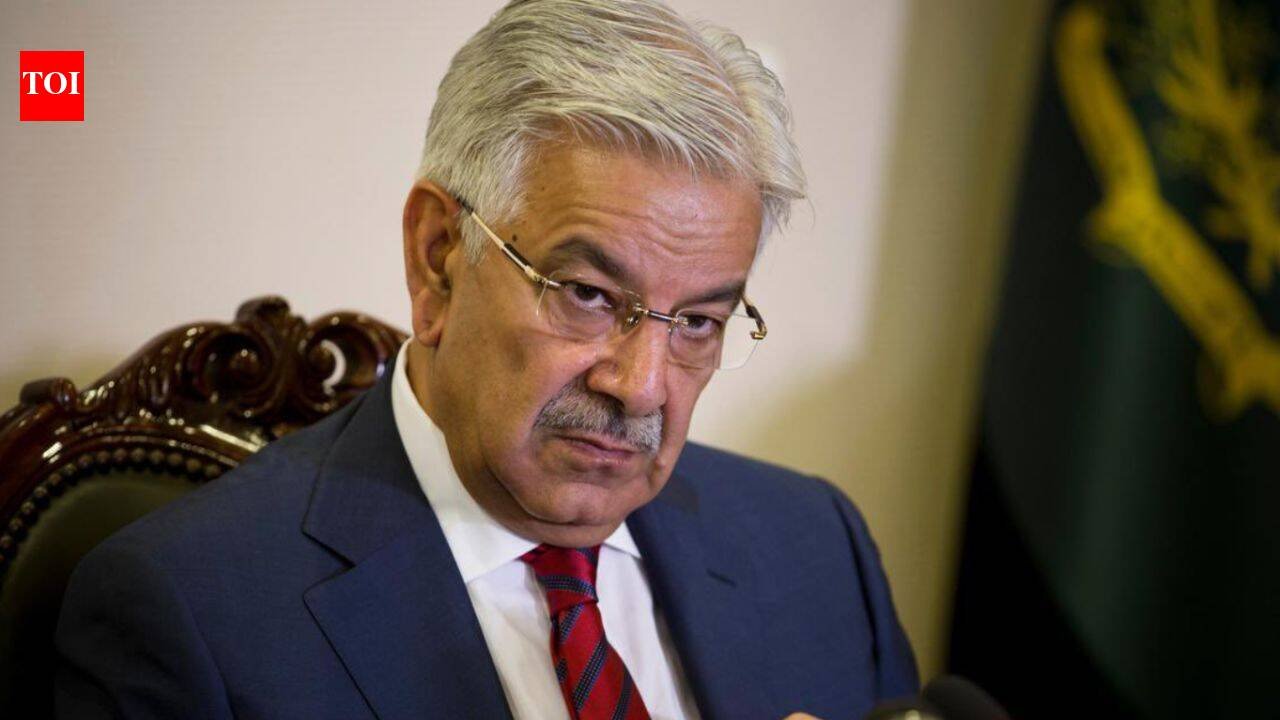
A day after Pakistan signed a defence agreement with Saudi Arabia and Turkey, Pakistan defence minister Khawaja Asif on Saturday called for Islamic countries to set aside their differences and form a military alliance along the lines of Nato.In an interview with Geo News, Asif said the agreement signed in Mecca should not remain an “exclusive club” and should be expanded to include other Islamic countries.“See, we can’t close the doors for other countries. This shouldn’t be an exclusive club. This is my personal opinion. It should expand,” Asif said.“I think Muslim countries should keep their differences, transactional or bilateral disputes aside, on the lines of Nato and stand together,” he added.Pakistan, Saudi Arabia and Turkey signed the defence pact in Mecca on Friday, marking a significant strategic development in the region. The agreement reportedly commits the three countries to regard an armed attack against any one of them as an attack against all three, drawing comparisons with Nato’s Article 5 collective-defence principle.The pact brings together Saudi Arabia’s financial strength, Turkey’s defence industry and Nato experience, and Pakistan’s large military and nuclear capabilities.According to Pakistan’s foreign ministry, the agreement is “guided by the longstanding historical ties among the three states” and their shared strategic interests, defence cooperation and “enduring bonds of brotherhood and Islamic solidarity”.The agreement aims to strengthen collective deterrence against aggression and stipulates that an armed attack against any of the three countries would be regarded as an attack against all, according to a joint statement.The pact comes as Saudi Arabia and other Gulf countries face missile attacks and disruptions to energy shipments amid the ongoing conflict involving Iran and its regional allies. The conflict escalated after the United States and Israel launched attacks on Iran on February 28, triggering a wider regional crisis.A Turkish official said the agreement was purely defensive, was not directed at any particular country and remained open to participation by other regional nations. The official added that it would not replace existing bilateral or multilateral security arrangements.
