



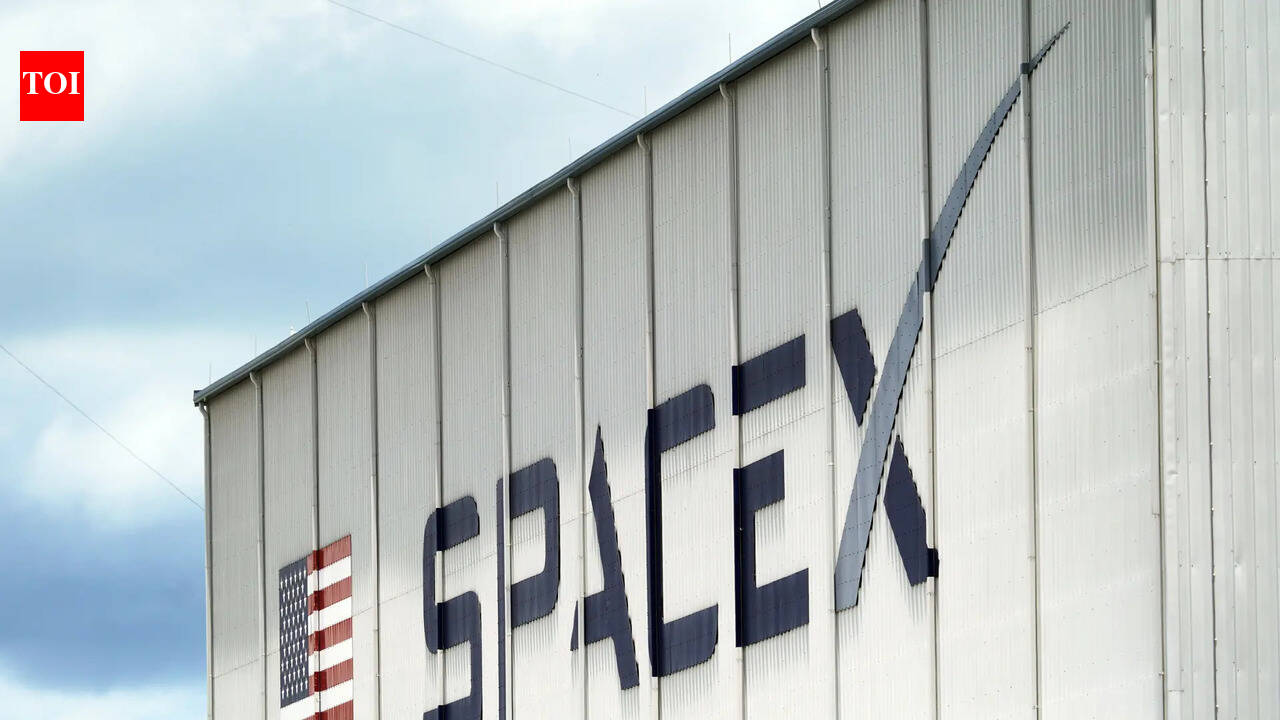

Elon Musk’s SpaceX wants the Federal Communications Commission to consider ending a $4.5 billion fund that subsidizes voice and broadband in rural areas. In a letter to FCC, Spacex argues that the satellite internet company has solved the connectivity gap by offering fast speeds at competitive rates. “The Commission’s universal service programs must adapt to a reality where the long-standing problem of high-speed broadband network access has effectively been solved, rendering most legacy High-Cost support mechanisms redundant,” the company wrote in the letter. It says that over the years, the agency and the American government has spent billions on this. “The High-Cost Program is intended to ensure that all Americans have access to communications services that are comparable in capabilities and rates to those available in urban areas. In an effort to achieve this objective, the Commission established over many years an alphabet soup of support programs (e.g., CAF BLS, HCLS, A-CAM I, A-CAM II, E-ACAM, RDOF) distributing billions of dollars per year over multiple decades through complex funding mechanisms while never quite achieving the objective of universal access. But the draft notice describes an evolving technological and competitive landscape that is successfully delivering universal access to Americans and swiftly rendering these High-Cost programs unnecessary. The notice highlights the availability of broadband service from unsubsidized terrestrial competitors at 58% of the broadband serviceable locations in the areas receiving support from the High-Cost programs,” says the letter.The FCC is moving to modernize the High-Cost program under the Universal Service Fund, which subsidizes access to voice and broadband services. The High-Cost program specifically distributes funding to telecommunications providers in rural and remote areas to not only deploy their services but also keep prices down for local consumers.
Here’s the letter sent by Spacex to FCC
Dear Ms. Dortch:The rapid growth of low-Earth orbit satellite broadband service in recent years has made high-speed, low-latency broadband access available throughout the entirety of the United States. As the Commission considers reforming certain High-Cost universal service programs, it should seek to align these programs to the reality of ubiquitous broadband availability, as well as theCommission’s broader agenda to modernize its rules and sunset outdated legacy programs.On May 11th through 13th, SpaceX met with the offices of Chairman Carr, Commissioner Trusty, and Commissioner Gomez, along with the Wireless Telecommunications Bureau to discuss reassessment of High-Cost programs in the context of satellite broadband services delivering broadband at competitive rates throughout the areas supported by High-Cost programs.The Commission should ensure its upcoming High-Cost proceeding evaluates the impact of satellite broadband that, together with increasing availability of unsubsidized terrestrial broadband and new deployments funded by the Broadband Equity Access and Deployment Program (“BEAD”) program, delivers broadband connectivity to all Americans, providing a basis for the High-Cost mechanisms in question to be phased out and funding to be redirected to more productive ends.The High-Cost Program is intended to ensure that all Americans have access to communications services that are comparable in capabilities and rates to those available in urban areas. In an effort to achieve this objective, the Commission established over many years an alphabet soup of support programs (e.g., CAF BLS, HCLS, A-CAM I, A-CAM II, E-ACAM, RDOF) distributing billions of dollars per year over multiple decades through complex funding mechanisms while never quite achieving the objective of universal access. But the draft notice describes an evolving technological and competitive landscape that is successfully delivering universal access to Americans and swiftly rendering these High-Cost programs unnecessary. The notice highlights the availability of broadband service from unsubsidized terrestrial competitors at 58% of the broadband serviceable locations in the areas receiving support from the High-Cost programs.And, it finds that low-Earth orbit satellite systems provide “ubiquitous low latency coverage at high speeds across America,” delivering broadband service at competitive rates—including offering service to effectively all the locations that remain unserved by terrestrial broadband despite decades of subsidies. Moreover, the $42.5 billion BEAD program is supporting deployment of services to fill any remaining gaps and is intended to be “the last broadband funding program,” bringing an end to the cycle of dependency on federal broadband subsidies.These developments should enable the Commission to establish a plan to sunset the High-Cost mechanisms with confidence that the objectives of these programs have been achieved. While some parties previously expressed skepticism about the capability of satellite broadband to provide comparable service to terrestrial networks, new data is increasingly proving the skeptics wrong, as Chairman Carr recently noted.SpaceX’s Starlink service steadily increased user speeds and reduced latency over the past several years while supporting exponential subscriber growth, and these trends will continue into future years. In 2025 alone, SpaceX launched over 3000 satellites and added more than 270 Tbps in capacity to its constellation, with Starlink launches continuing at a similar pace in 2026. SpaceX also expects to begin launching its third-generation satellites later this year, providing a 10 times increase in downlink capacity and 24 times increase in uplink capacity compared to the current second-generation Starlink satellites.And, critically, the Commission’s recent order modernizing satellite spectrum sharing will dramatically increase the capacity that Starlink can make available to customers by enabling overlapping beams from multiple satellites to be placed in the same location. These developments will facilitate significant further improvements in subscriber speeds, while continuing to increase the volume and density of customers the system can support. Meanwhile, broadband service will increasingly become available from competing next-generation satellite operators, with Amazon Leo purportedly launching commercial services in 2026.Satellite broadband already delivers comparable performance to terrestrial broadband at competitive rates in line with the objectives of the High-Cost Program, and it will only become more capable over time. The Commission’s universal service programs must adapt to a reality where the long-standing problem of high-speed broadband network access has effectively been solved, rendering most legacy High-Cost support mechanisms redundant. Establishing a plan to wind down these programs will enable the Commission to return universal service funds to consumers through reduced contributions or redirect them to other universal service programs that will deliver meaningful benefits to the public. Several revisions to the draft notice aligned with this objective are provided in Attachment B. Sincerely, /s/ Joseph BissonnetteJoseph BissonnettePrincipal, Satellite PolicySPACE EXPLORATION TECHNOLOGIES CORP.22630 NE Marketplace Dr.Redmond, WA 98053
