



5 min readMay 8, 2026 04:41 PM IST
First published on: May 8, 2026 at 04:41 PM IST
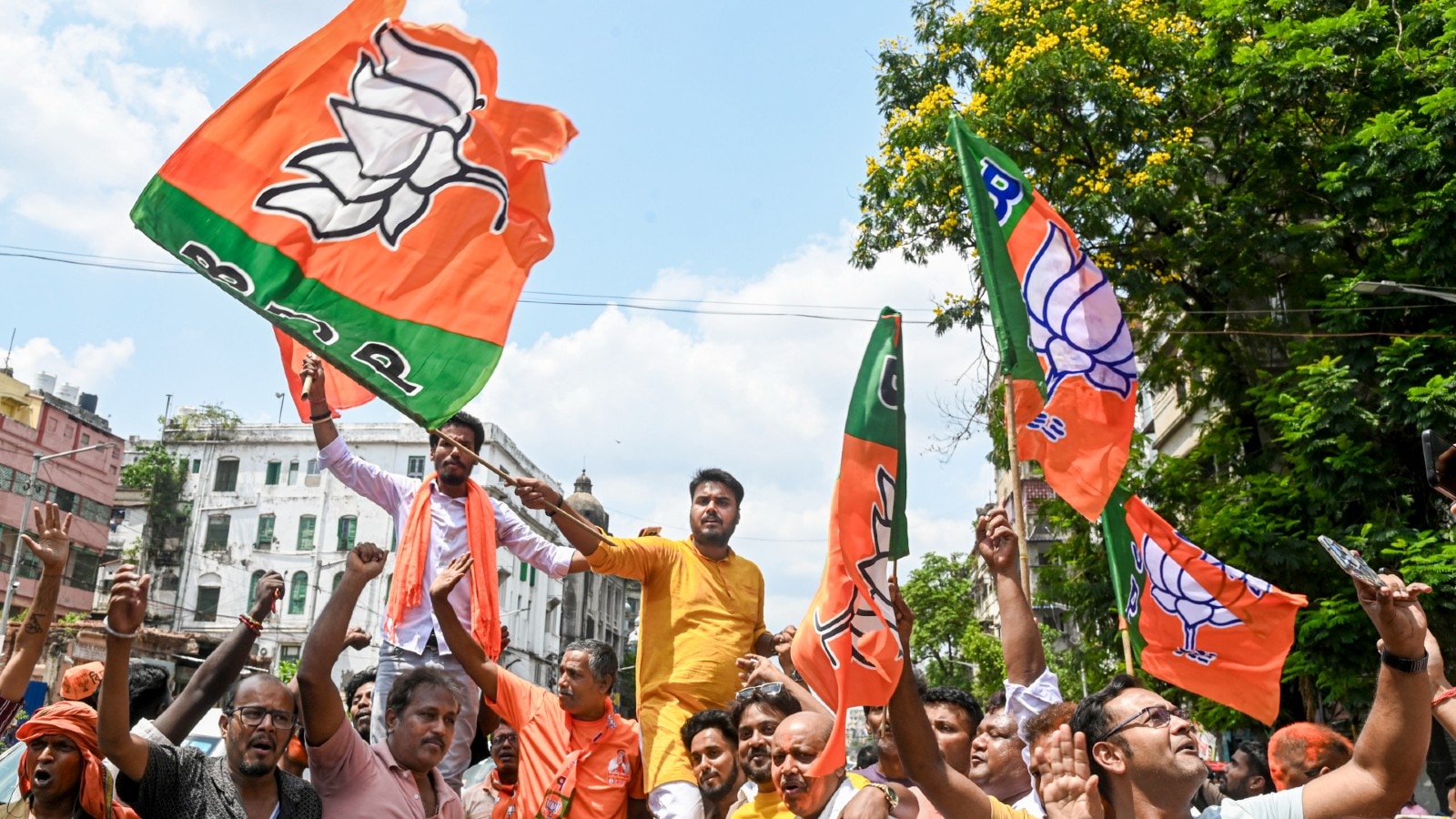
Fortress West Bengal has finally crumbled before the Bharatiya Janata Party (BJP). It was one of the last hopes of liberals, and Mamata Banerjee and her Trinamool Congress (TMC) had managed to ward off the juggernaut for well over a decade with unusual grit. This switchover, incidentally, ends an unbroken historical record of half a century when Bengal invariably elected a party to power that was diametrically opposed to the one ruling Delhi.
No one can deny that there was a strong anti-incumbency wave. Many were, however, confident that the secular DNA of Bengal would never allow a Hindi Hindu party to triumph. But people decided that the TMC had become worse than the Left Front government that it unseated in 2011, so intolerable was its misgovernance and corruption. Banerjee’s mansabdari model ensured that local strongmen were free to extract cuts from all economic activities in their zones. They ruled with iron fists and greased palms; they terrorised Congress and the Left parties as well.

But nature abhors a vacuum, and the hitherto-puny BJP stepped in after 2014 to give refuge to all of TMC’s political opponents, the good, the bad, and the ugly. Funds came in profusely from both the central party and the local north-Indian business community, disgusted with Banerjee’s antics. The BJP gained in strength. Its votes went up from a mere 19 lakh in the 2011 assembly elections to 55 lakh in the next one in 2016 to a whopping 2.28 crore in the 2021 assembly polls and 2.84 crore now.
Muslims constitute 27 per cent of the state’s population, and if one assumes that they do not vote for the BJP, it would appear that this party’s total vote share of nearly 46 per cent (8 per cent jump) represents the largest chunk of Bengal’s Hindu vote of some 72 per cent. This time, Muslims were “cut to size” by the Special Intensive Revision (SIR) of electoral rolls; many voted for the Left or Congress, reducing the TMC’s vote share.
Interestingly, Dalits constitute almost 24 per cent of West Bengal’s voters, but they pale into insignificance due to the hegemony of three or four upper castes who flaunt their bhadralok status with just about half the Dalit numbers. The BJP understands caste rather well — at least in harvesting votes — and it targeted the two biggest Dalit groups, the Rajbanshis and Namasudras (mainly immigrants from Bangladesh, legal or otherwise). It worked on other Dalits in the western districts and targeted the Scheduled Tribes and OBC Mahatos there. The educated, secular “casteless” urban babus — irrespective of party — found jati and “religion” to be ever so retrograde in political discourse, but the BJP laughed its way to counting halls. Jobless or underemployed youth were disillusioned with the TMC, and the more educated sections couldn’t care less for Bengali subnational values, thanks to 12 years of sustained Hindu and India-is-great propaganda. A large section of women, once enamoured with Banerjee’s strong pro-women stand, must also have moved away.
But the SIR, with its dubious legality, delivered the coup de grace. Having worked as the Chief Electoral Officer who conducted two parliamentary elections in Bengal and roll revisions as well, one can decipher the anti-voter stratagems of SIR writ large. This could not have been drafted by bureaucrats, however obsequious they be. It appears to have been crafted outside Nirvachan Sadan, by amoral corporate strategists and highly-paid legal brains. Booby traps, like “unmapped voters”, “under adjudication” millions, and “logical discrepancies” disenfranchised at least 35 lakh genuine voters. SIR’s totally secret computer-driven programme knew exactly how to identify and slash Muslim voters and others who may reduce one party’s margin. As a ruthless super plan, looked upon ever so indulgently by the highest court, all SIR needed was a biased and collaborative election chief. He was available to fob off queries and criticism.
It was indeed a dark day when the apex court decided to use Article 142 of the Constitution to override Section 24 of the Representation of the People Act, which had worked so admirably for 75 years, without ascribing reasons. This ensured that 27 lakh hapless voters could not vote, and it was made to appear trifling.
Now that it has been rammed through, we need to wake up to this new template that will rule elections henceforth. And Bengal will have several years to ponder over the effects of welcoming a regime whose values are largely antithetical to its core culture.
The writer is a former Rajya Sabha MP
