



4 min readJun 18, 2026 04:51 PM IST
First published on: Jun 18, 2026 at 04:51 PM IST
While classifying political parties, Maurice Duverger identified the “cell” as a structural unit of communist and radical Marxist parties. It prioritises deep covert or workplace-based ideological penetration, rather than broad electoral rallying. This was the structure of the Shiv Sena when it was founded in 1966. The party developed its cadres in every locality — later wards — which controlled not only the political behaviour of the party’s clientele but also the social behaviour of the individual within the jurisdiction of the “shakhas” (essentially, “cell” in Marathi). Bal Thackeray, who had opposed the communists tooth and nail, ended up adopting their very structure.
That is how the party rose from controlling the Municipal Corporation of Greater Mumbai to the state in 1995. The client base in Mumbai remained the migrant working class from Konkan — essentially from the OBC community, which contributed to the rise of OBC politics in Maharashtra.

Over time, as the party grew in influence and established its own pockets in various talukas and districts, its strategy of invoking Marathi pride and the Hindutva agenda was so effective that Bal Thackeray is still referred to as “Hindu Hriday Samrat”. At a time when the BJP did not yet wield the influence in the state that it does today, the Shiv Sena successfully created the “Hindutva” imagination, thus creating the Thackeray brand in Maharashtra.
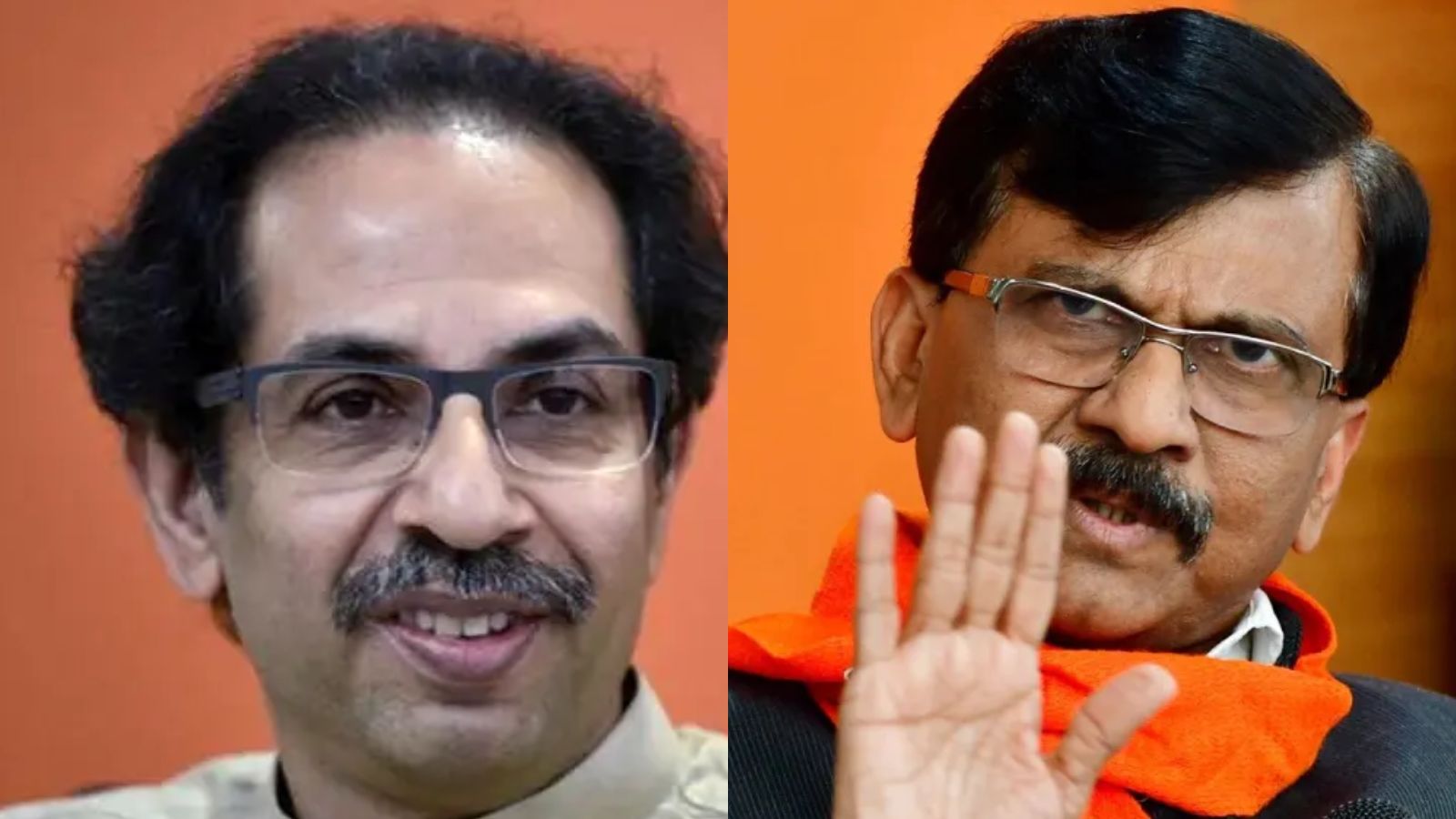
In a “natural alliance” with the BJP in Maharashtra for over 25 years, the Shiv Sena shared not just the ideological space; it also helped the BJP become a beneficiary of the Hindutva imagination and gain electoral ground in Maharashtra. The Modi wave of 2014 gave new hope to the BJP, boosting its numbers in the Vidhan Sabha and the Parliamentary elections. But the Shiv Sena’s insistence on its position as the senior partner and its aspiration to once again control the state led to the historic split in the alliance in 2022. When Uddhav Thackeray became the first Thackeray to hold public office — rising to the post of chief minister in 2019 — he did so with the help of the Nationalist Congress Party and the Indian National Congress.
When Eknath Shinde left the parent organisation with a large faction, it was the dissatisfaction over the Shiv Sena’s perceived abandonment of the Hindutva agenda that was blamed for the split. Following this, Uddhav Thackeray resigned as chief minister, which is what led to then Chief Justice of India D Y Chandrachud saying that his government could not be restored. The Court also remained silent on the Election Commission’s decision to recognise the Shinde faction as the original Shiv Sena, with Uddhav Thackeray’s Sena being assigned a new name — Shiv Sena (UBT) — and a new symbol. On the eve of the 60th anniversary of the original Shiv Sena’s establishment, the Shiv Sena (UBT) is now once again faced with a split. The 2022 split — an unexpected breakaway from a stable government — has since ended up becoming a model for similar splits in the Aam Aadmi Party and the Trinamool Congress in West Bengal.
Splits like the ones the Shiv Sena has faced signal the emergence of monolithic party structures, where community aspirations and needs become flattened. The question now is whether the Maharashtra model will be applied in other states where regional parties still show some presence. Then there is the most important question: Have the voters who voted for a particular candidate from a particular party been betrayed in the whole process?
The writer is professor, department of Civics and Politics, University of Mumbai
