



5 min readApr 17, 2026 05:21 PM IST
First published on: Apr 17, 2026 at 05:21 PM IST
This April, as three Bills that claim to champion women’s reservation move through a rushed three-day special session, it is worth pausing on a question that cuts deeper than any legislation: What does it mean to be represented, and how does one truly belong? The debate in Parliament this week has been loud, polarised, and almost entirely procedural. Lost in the noise of census data, seat counts, and federal arithmetic is a more fundamental question nobody is asking. Even if women get their one-third, is Parliament actually ready to receive them?
Let’s go back to our roots and look at the Indian Constitution, adopted in 1950. It was itself a radical document in this regard, and it did not arrive at equality by accident. It was argued for, line by line, by women who understood that the founding text of a new nation would set the terms of participation for generations to come. The 15 women of the Constituent Assembly, among them pioneers like Hansa Mehta, Amrit Kaur and Dakshayani Velayudhan, ensured that gender equality was woven into the very fabric of our democracy. Their contributions remind us that women have always been at the table. That founding generation understood something we are still learning to act on, that formal equality in law means nothing if we don’t have institutions that make it real.

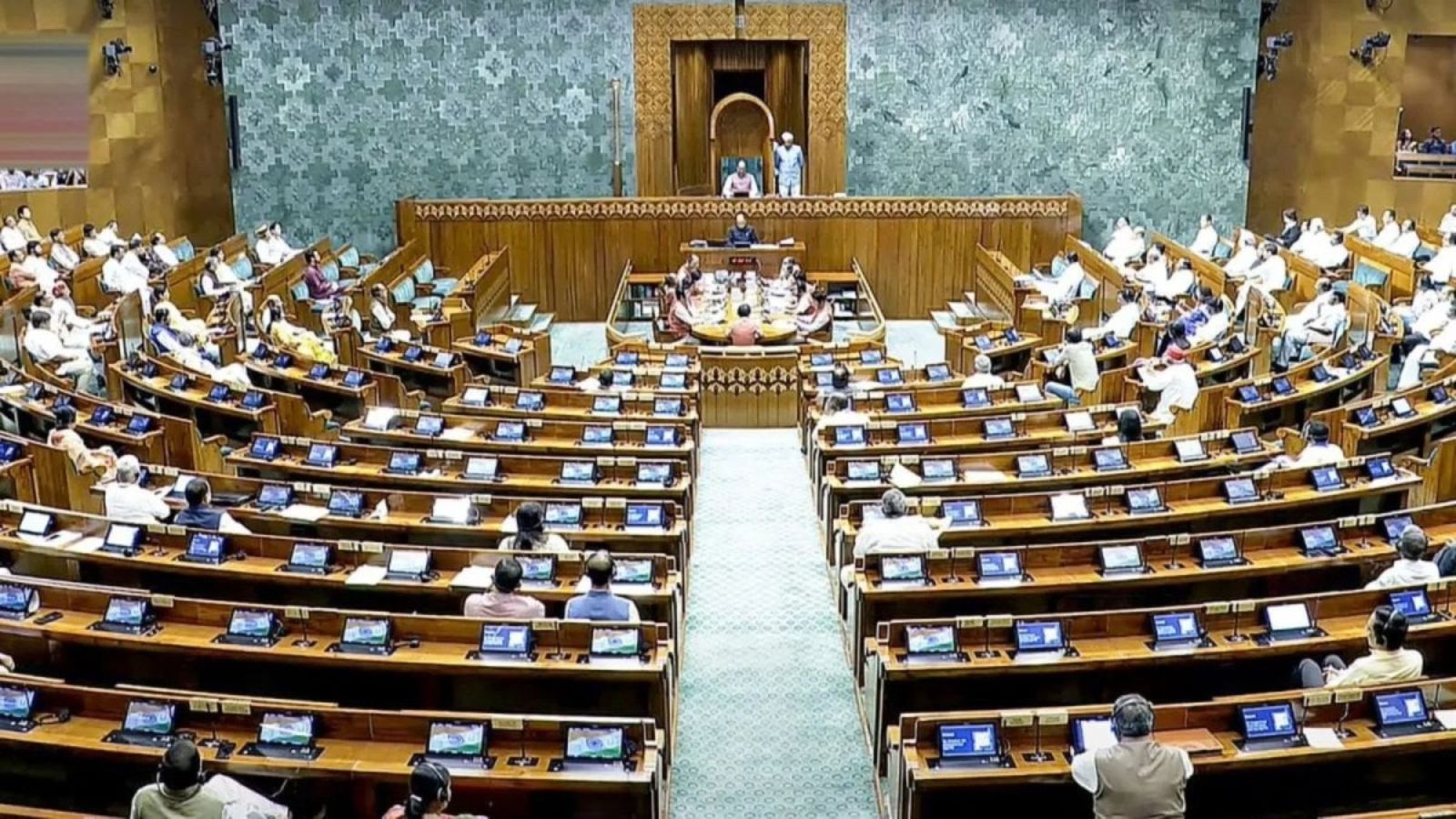
Firstly, a primary area for growth lies in the physical design of our workspaces including the new Parliament, which currently lacks the facilities necessary for women to perform their duties. During an all-party meeting in 2025, MP Fauzia Khan highlighted that even in the new Parliament building, restroom layouts could be improved for better privacy and that there is a pressing need for crèches and breastfeeding rooms for young mothers. These are not merely logistical details but essential components of a modern workplace that determine the terms on which any individual can participate in public life. By conducting mandated infrastructure and accessibility audits, we can ensure that the House is as welcoming in its design as it is in its democratic principles.
Secondly, true institutional change also requires us to examine how procedural norms influence who holds real authority. While we talk about women’s representation in the two houses, an essential component of the parliamentary system is the standing committees that help deliberate on the demand for grants of respective ministries and discuss crucial bills and examine private entities on important issues. Currently, women MPs chair only two of the three Lok Sabha committees, one of which is the Committee on Empowerment of Women, an all-women body. To avoid the perception that gender justice is solely a women’s issue, it is important to see more women in high-influence roles, such as committee chairpersons and chief party whips, and to systematically adopt gender-neutral language in parliamentary proceedings, as advocated by MP Priyanka Chaturvedi in the Rajya Sabha. By reconstituting key committees and investing in professional development, we can ensure that women are positioned to lead across all sectors of policy and governance.
Lastly, a supportive ecosystem also requires a renewed commitment to safety and professional standards within the political sphere. In September 2025, the Supreme Court of India dismissed a petition seeking to extend the Sexual Harassment of Women at Workplace (Prevention, Prohibition and Redressal) Act, 2013 (POSH Act) to political parties, stating that it could open a Pandora’s box. Rather than viewing this as a hurdle, political organisations have an opportunity and a responsibility here to lead by example, adopting independent, time-bound complaint mechanisms and robust whistleblower protections. Reforms such as electoral disqualification for those convicted of sexual offences, and voluntary internal party quotas would reinforce the signal that the political arena is a safe and professional environment for everyone.
Ultimately, the success of the Women’s Reservation Act will not be measured by the number of seats carved out in a hasty session, nor by which Census data was used, nor by how many states gained or lost in the bargain. It will be measured by whether the women who enter our legislatures can stay, lead, and be heard. A reservation that deposits women into an institution that was never designed for them is not empowerment. It is optics. Before we debate the architecture of constituencies, we must fix the architecture of the building itself, its committees, its culture, its corridors, and its conscience. Women do not just deserve a seat. They deserve a Parliament that is ready for them.
The writer is a former LAMP fellow
