



6 min readJun 23, 2026 01:42 PM IST
First published on: Jun 23, 2026 at 01:41 PM IST
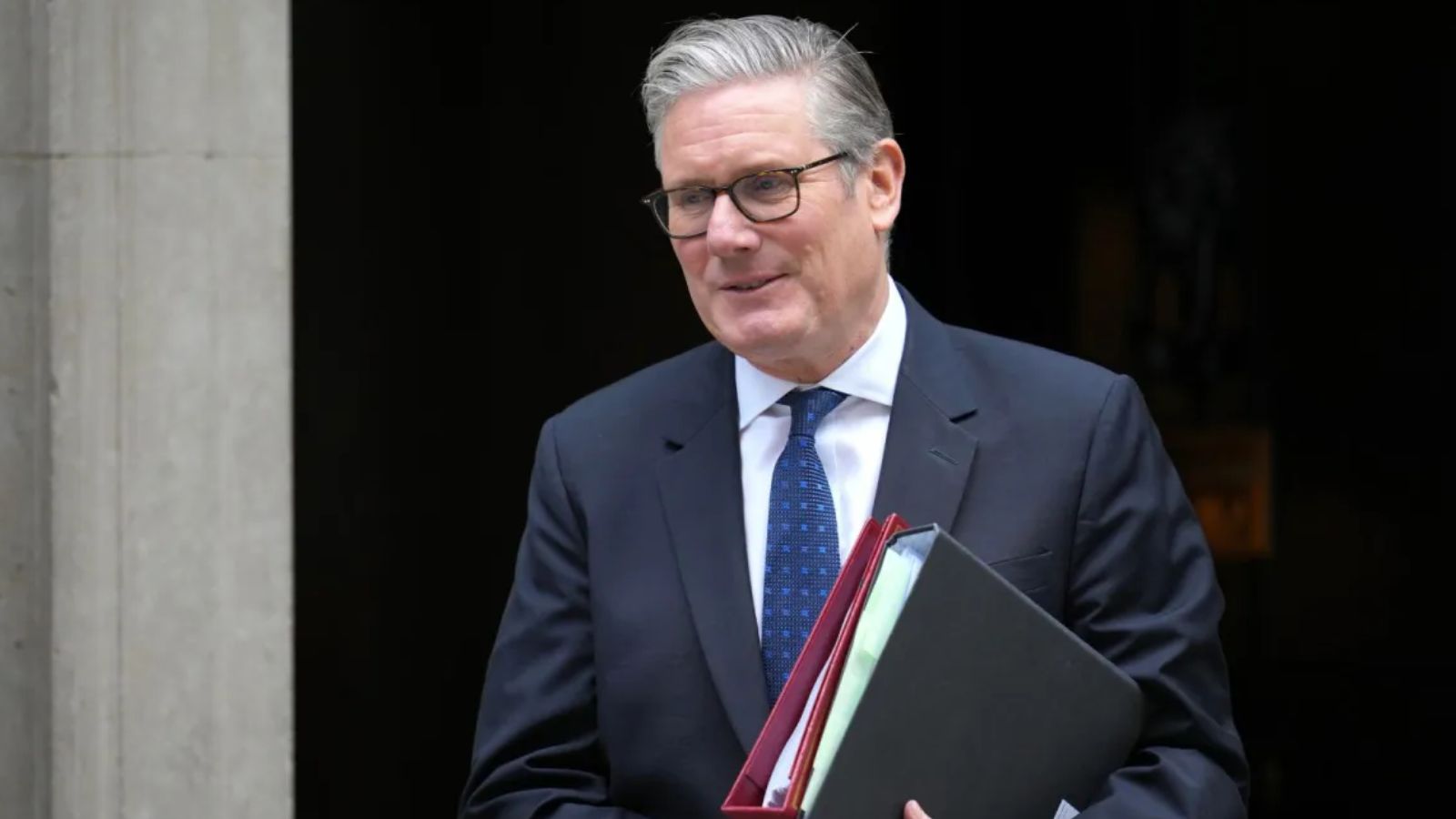
It says a great deal about the current state of British politics that there was an inevitability about Sir Keir Starmer’s resignation as prime minister. Standing outside a Downing Street podium in blazing sunshine, Sir Keir admitted that his political ambitions were scorched, with a graceful exit being the only plausible option. Announcing his departure almost a decade to the day since the Brexit referendum, he joins the growing procession of prime ministers with short-lived tenures. The country will soon have another prime minister, with Andy Burnham seen as the frontrunner. But a change in leadership is not a panacea. For any occupant of Downing Street to succeed, deep-seated structural issues need to be addressed.
The scene was set for Sir Keir’s downfall, given the disastrous local elections last month. With Labour losing over 1,400 seats, the result seemed to reflect the national mood. The electoral angst cut across Labour’s traditional heartlands in the north, in Wales and in Scotland. It failed to make any significant inroads in the South. In the intervening weeks, the resignations of Wes Streeting as health secretary and John Healey as defence secretary piled on the pressure. And when Burnham’s return to Westminster was confirmed in last week’s Makerfield by-election, the game was up.

The scale of the turmoil is accentuated by the fact that this is a government with a commanding majority and only two years into its mandate. In this context, Sir Keir’s speech standing outside Downing Street after a victory in the last general election feels like a message from another age. He had promised a national renewal, a return of politics to public service, and to begin the work of change. But voters lost faith in his regular U-turns on policies. The gap between vacuous rhetoric and concrete delivery became unbridgeable.
Is post-Brexit Britain too difficult to govern sustainably? As the country seeks its seventh prime minister in a decade, the broader question is a reasonable one. All sorts of combinations have been tried and come unstuck. Theresa May wasn’t able to persuade the right-wing elements in her party. But when the party turned to Boris Johnson, the dysfunction became obvious. We then had Liz Truss, who managed to erode the Tory party’s reputation for fiscal prudence in no time at all. Amid this chaos, what chance did Rishi Sunak have when the voters wanted change? But Labour has not fared better. As we have seen, a change has not equated to progress.
All of this has taken place against a backdrop of geopolitical and economic uncertainty. Living standards have been squeezed by food and oil price increases. Concerns over illegal immigration continue to dominate discourse. Meanwhile, an ageing population needs more healthcare investment. At the same time, younger voters are finding it harder than ever to secure jobs. On the foreign policy front, Britain continues to search for a meaningful role. In this era, increasing defence spending is no longer optional, but Britain is struggling to fund it. What this highlights is the need for difficult conversations with the electorate. That has not been the preferred mode for the mainstream parties.
The result has been a rise in grievance-based politics, with the dramatic emergence of Nigel Farage’s Reform Party as a serious national contender. With over 1,000 seats gained across the country in local elections last month, Reform can legitimately claim electoral momentum. It made material advances in Labour’s “red wall” up north and surprised critics by also gaining in Wales and in Scotland. Clearly, Reform’s diagnosis that “Britain is broken” and in need of radical change has resonated. Yet, Burnham’s win in Makerfield, where he consigned Reform to a distant second place, shows that Reform isn’t invincible. Kemi Badenoch and the Tories should take note, too, as they contemplate a continued rightward lurch or a return to centrism.
Turning back to Labour, while the party will acquire a new leader, the real issue is that it has no coherent strategy for growth. Burnham has not set out a detailed blueprint as yet. Granted, he may be a better communicator than Starmer, but that is a low bar. Once a cabinet minister in the Blair era, he tilted to the left during his time as the mayor of Manchester.
There are those who are urging the party to push harder towards the left with a change in leadership. That is an approach squarely based on the Labour Party’s “infinite capacity for self-delusion”, as Tony Blair commented recently. The truth is, Chancellor Reeves has piled on costs to employers with rises in their national insurance contributions. Increases to the living wage have disincentivised hiring younger staff members. Meanwhile, the income tax burden has also risen. The government has continued to add to welfare costs rather than tightening them. This is akin to a spendthrift who keeps visiting a casino.
Can Starmer’s successor fare any better? To have any chance of flourishing, the next British PM needs to incentivise the private sector, setting out tough choices for the country’s long-term direction while maintaining a fiscal balance. Persisting with the status quo will be the antithesis of taking back control, as many have discovered.
The writer is a London-based lawyer and political commentator
