



The Protection of Children from Sexual Offences Act, 2012 (POCSO) was enacted to shield children from sexual exploitation through clear and categorical prohibitions. Some of the most difficult cases now reaching courts, however, involve adolescent relationships that sit uneasily within the statute’s design.
What should the criminal law do when the person whom it insists on treating as a victim says she has suffered no harm, seeks no redress, and actively opposes prosecution?

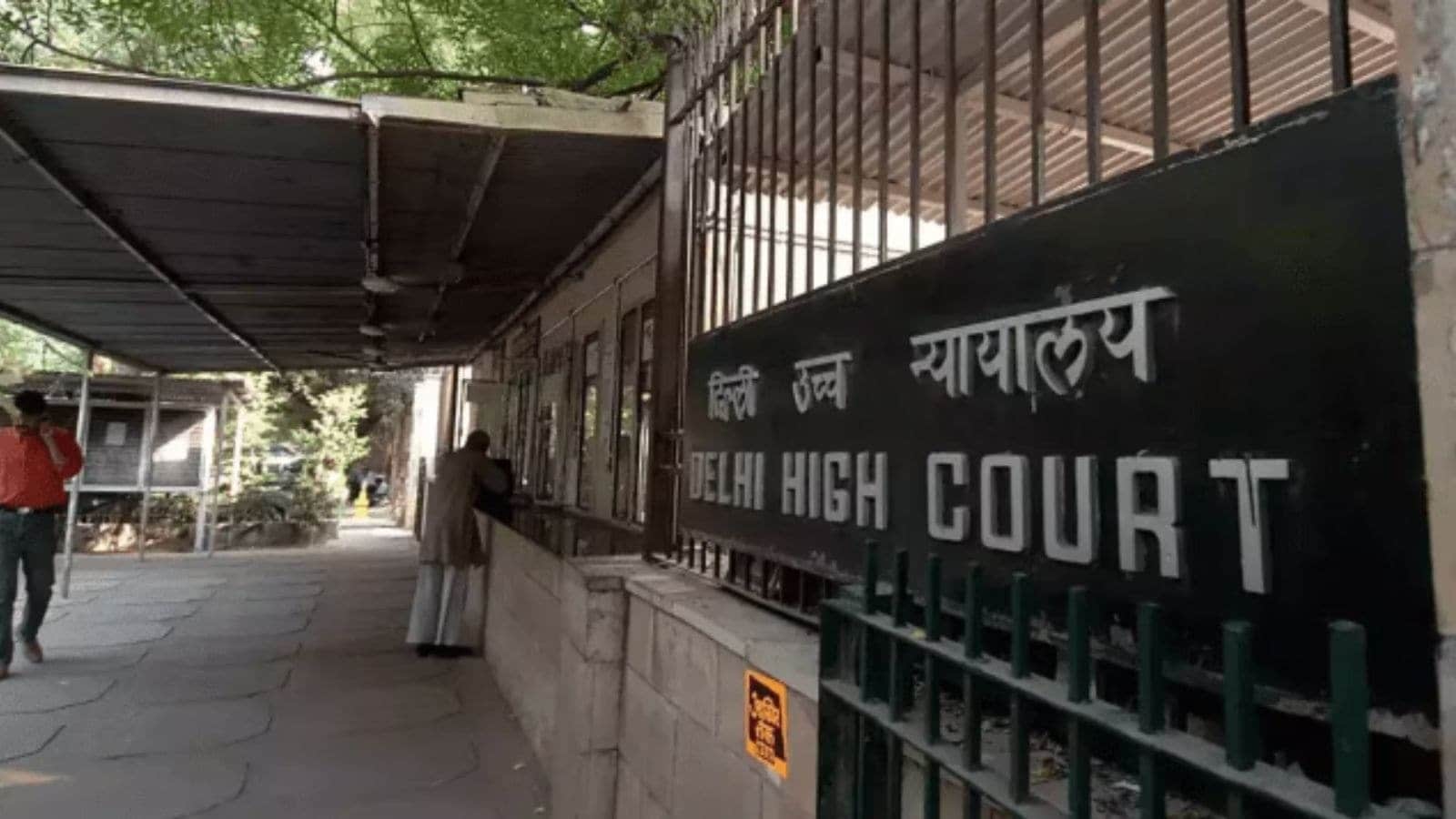
In Harmeet Singh v. State (NCT of Delhi), the Delhi High Court quashed proceedings in a case involving a 17-year-old prosecutrix who is now an adult, married to the petitioner, and the mother of a child. In recent months, the high courts of Bombay and Meghalaya have adopted a similar approach in Vijay Laxman Rotke and Shri Phrangbatnam Kharkongor, respectively, quashing proceedings where the underlying facts did not reflect the exploitative concerns POCSO was designed to address.
Taken together, these decisions suggest a growing judicial unease with applying a one-size-fits-all statute to the complexity of adolescent relationships.
A careful judicial response
A jurisprudence that permits quashing merely because parties later marry would carry troubling implications, legitimising child marriage while retrospectively validating coercive relationships. Equally, not every adolescent relationship can be presumed innocuous merely because the prosecutrix later supports the accused.
What makes Harmeet Singh noteworthy is its attempt to chart a principled middle path. The Delhi High Court did not treat matrimony or parenthood as independent grounds for relief; instead, it laid down clear judicial guidelines. First, courts must be satisfied that the de jure victim is genuinely acting of her own free will, has consistently sought closure, and was neither misled, pressured, nor deceived. Second, they must closely examine the underlying factual matrix — whether the relationship reflected volition rather than exploitation, whether violence or brutality is alleged, and what the relative ages of the parties signify. Third, subsequent family arrangements, including cohabitation or the birth of children, cannot be accepted at face value but must genuinely inspire judicial confidence.
The structural chasm
POCSO’s rationale remains undeniably sound; exploitation is not always visible, and the law cannot depend entirely on a child’s articulation of harm. But its current design draws no meaningful distinction between exploitative abuse and adolescent relationships, leaving courts to navigate a chasm the legislation itself does not acknowledge.
What makes the present predicament especially striking is that it was foreseen. The 2011 draft of the POCSO Bill proposed safeguards for consensual relationships involving adolescents between 16 and 18, requiring scrutiny of whether apparent consent was vitiated by coercion, deception, undue influence, or incapacity. Parliament chose a different path. Once a child was defined as anyone below 18, consent ceased to matter in law, even where the factual matrix may be far removed from predatory abuse.
Where the law could go
It is heartening that courts have begun approaching these cases with greater nuance. But judicial intervention often arrives only after individuals have already borne the uncertainty and burden of criminal prosecution, with consequences that can reshape young lives long before any eventual relief arrives. If the problem is structural, the response must be legislative.
Firstly, Parliament could consider a narrowly tailored close-in-age exception. The Supreme Court itself, in State of UP v. Anurudh, flagged the need to consider whether some form of a “Romeo and Juliet” clause may be warranted for genuine adolescent relationships. Comparative constitutional experience offers a useful lens here: In Teddy Bear Clinic for Abused Children, the South African Constitutional Court struck down provisions criminalising consensual intimacy between minors, recognising both the role of adolescent relationships in healthy development and the dignity harms of blanket criminalisation. India may not be positioned to adopt a comparable framework immediately, but the underlying concern is difficult to ignore.
Secondly, the kind of judicial scrutiny articulated in Harmeet Singh ought not to emerge only after years of litigation. Parliament, or at the very least, prosecutorial and policing guidelines, could codify threshold screening criteria requiring an early assessment of voluntariness, age disparity, exploitative features, and surrounding circumstances before the full coercive machinery of prosecution is set in motion.
Thirdly, in narrowly defined cases where exploitative features are absent, the response need not always be prosecutorial. Child-welfare intervention, counselling, and age-appropriate guidance may, in some cases, better serve both protection and rehabilitation than immediately invoking criminal sanctions.
A question courts cannot finally answer
Courts may soften the harsher edges of statutory overbreadth in individual cases. But the larger question of how the law should distinguish adolescent relationships from exploitative abuse cannot be answered through judicial improvisation alone. Until Parliament confronts that tension directly, courts will continue navigating these fraught cases.
The writer is a Delhi-based advocate

