



5 min readJun 9, 2026 07:24 PM IST
First published on: Jun 9, 2026 at 07:23 PM IST
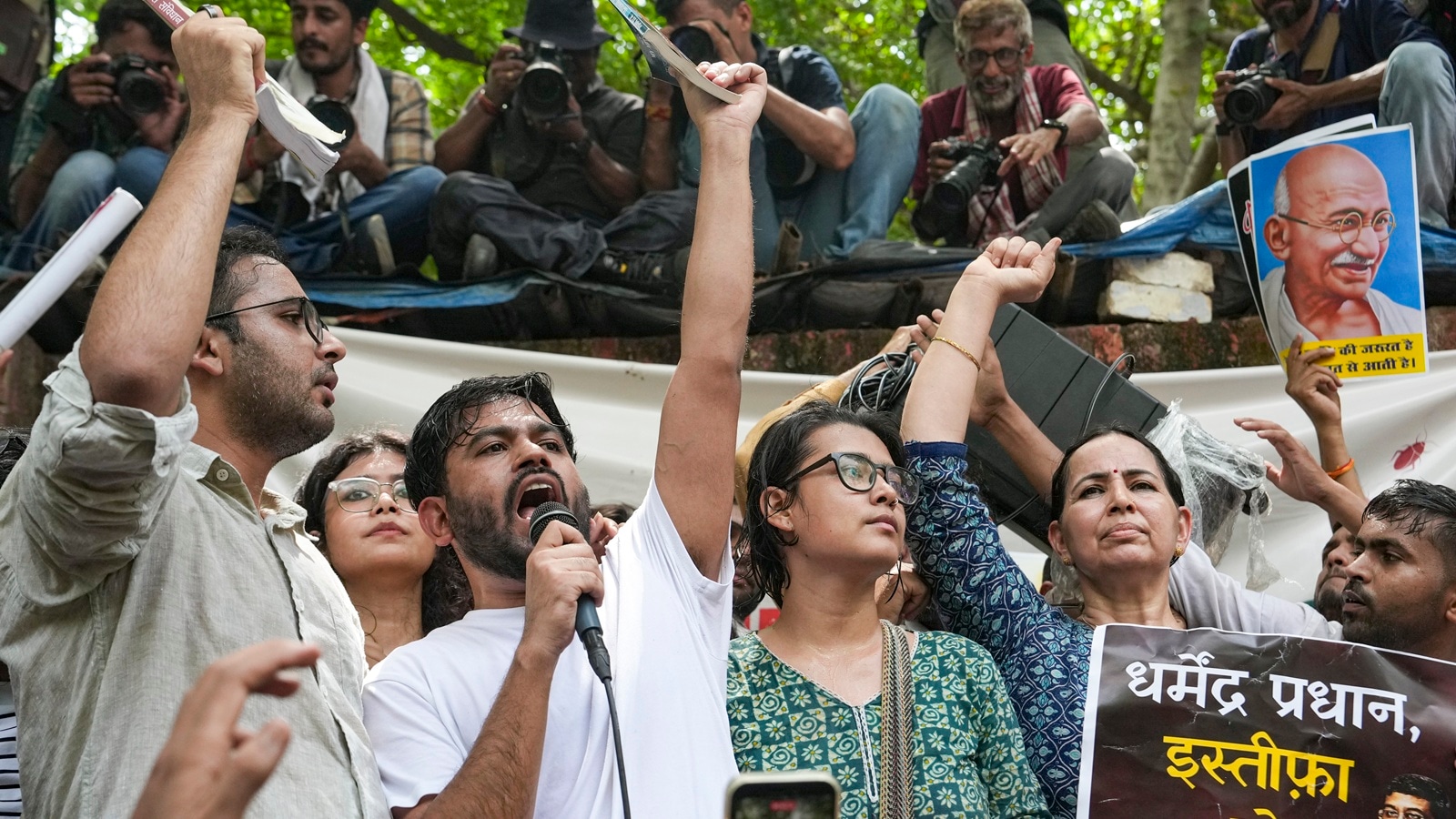
The recent anxieties surrounding examination irregularities, employment, farm incomes, and household finances are often discussed as separate problems. Students protest paper leaks and recruitment delays. Young graduates worry about finding quality jobs. Farmers seek predictability in an increasingly uncertain environment. Families struggle with the rising costs of education, healthcare, and everyday living. But what if they are all manifestations of the same underlying challenge? What if India is confronting not a crisis of aspiration, but a crisis of mobility?
For the past three decades, India’s development story has been built upon a simple but powerful promise: If you work hard, acquire skills, and play by the rules, you and your children will enjoy greater opportunities than the generation before you. That promise transformed India. Millions left villages for towns and cities. Families invested heavily in education. Access to schools, universities, coaching centres, and digital learning expanded dramatically. The internet connected remote communities to opportunities that previous generations could scarcely imagine. A young woman from a small town could imagine becoming a lawyer, entrepreneur, civil servant, or political leader. A farmer could dream that his children would enter professions he never had access to. Parents made sacrifices because they believed effort would translate into opportunity.

The Structural Bottlenecks in the Aspirational Journey
This aspiration remains one of India’s greatest strengths. But aspiration creates expectations. And expectations create a social contract. The anxieties we are witnessing today emerge when citizens begin to question whether the pathways to upward mobility remain as accessible, reliable, and fair as they once appeared to be. Consider the recurring controversies surrounding competitive examinations. For millions of young Indians, examinations are gateways to social mobility. Every paper leak, every recruitment delay, and every perception of unfairness therefore carries consequences far beyond the immediate event.
The same dynamic is visible in conversations around employment. Citizens do not experience the economy through growth rates alone. They experience it through their ability to find meaningful work, support their families, and build secure futures. Economic growth remains essential, but growth that does not translate into broad-based opportunity inevitably creates anxiety. Similarly, farmers are not simply demanding support. Small business owners are not merely asking for incentives. They are seeking confidence about the future. Households are not only concerned about prices. They are concerned about whether tomorrow will feel more secure than today. What connects these concerns is not pessimism. It is uncertainty, and uncertainty becomes politically significant when it collides with aspirations.
Institutional Integrity as a Form of National Infrastructure
For years, political analysis has focused on elections, ideology, identity, and leadership. Yet beneath these debates lies another set of questions that deserves equal attention. Do citizens still believe that hard work will be rewarded? Do they trust institutions to operate fairly? Do they believe their children will enjoy greater opportunities than they did? These questions may prove decisive in shaping India’s next decade. India’s challenge is not a shortage of ambition. Indians remain extraordinarily optimistic, entrepreneurial, and aspirational. The challenge is ensuring that institutions and policies keep pace with those aspirations. Policies that improve stability create more confidence than policies that merely generate headlines.
The priority must be restoring trust in merit. Examination systems, recruitment processes, and public institutions must be protected with the same seriousness with which we build roads, airports, and digital infrastructure. Confidence in fairness is itself a form of national infrastructure. Second, employment generation must move closer to the centre of economic policymaking. Every major policy intervention should increasingly be evaluated through a simple lens: Will it expand access to quality jobs and economic mobility? Third, India must focus on rebuilding economic security. People can adapt to hardships. What is far more difficult is navigating uncertainty without a sense of what lies ahead. India’s greatest long-term investment remains its people. But that demographic advantage is not automatic. It depends on education, skills, health, and the ability to convert potential into productive opportunity. For three decades, India has asked its citizens to believe that hard work expands opportunity. The next decade will determine whether that promise can be renewed. The answer will shape not only our economy, but the character of our democracy itself.
