



6 min readMay 4, 2026 05:36 PM IST
First published on: May 4, 2026 at 05:36 PM IST
Indian politics is a story of vanishing exceptionalisms. The two most entrenched and enduring regional formations have collapsed. Kolkata has fallen; Chennai has cracked. Kerala, true to form, has seen anti-incumbency; the BJP’s hold over Assam endures. These results consolidate the unprecedented national electoral prowess of the BJP and the ideological supremacy of Hindutva. It would be churlish to deny the unprecedented power of the Modi-Shah duo in the annals of electoral politics.
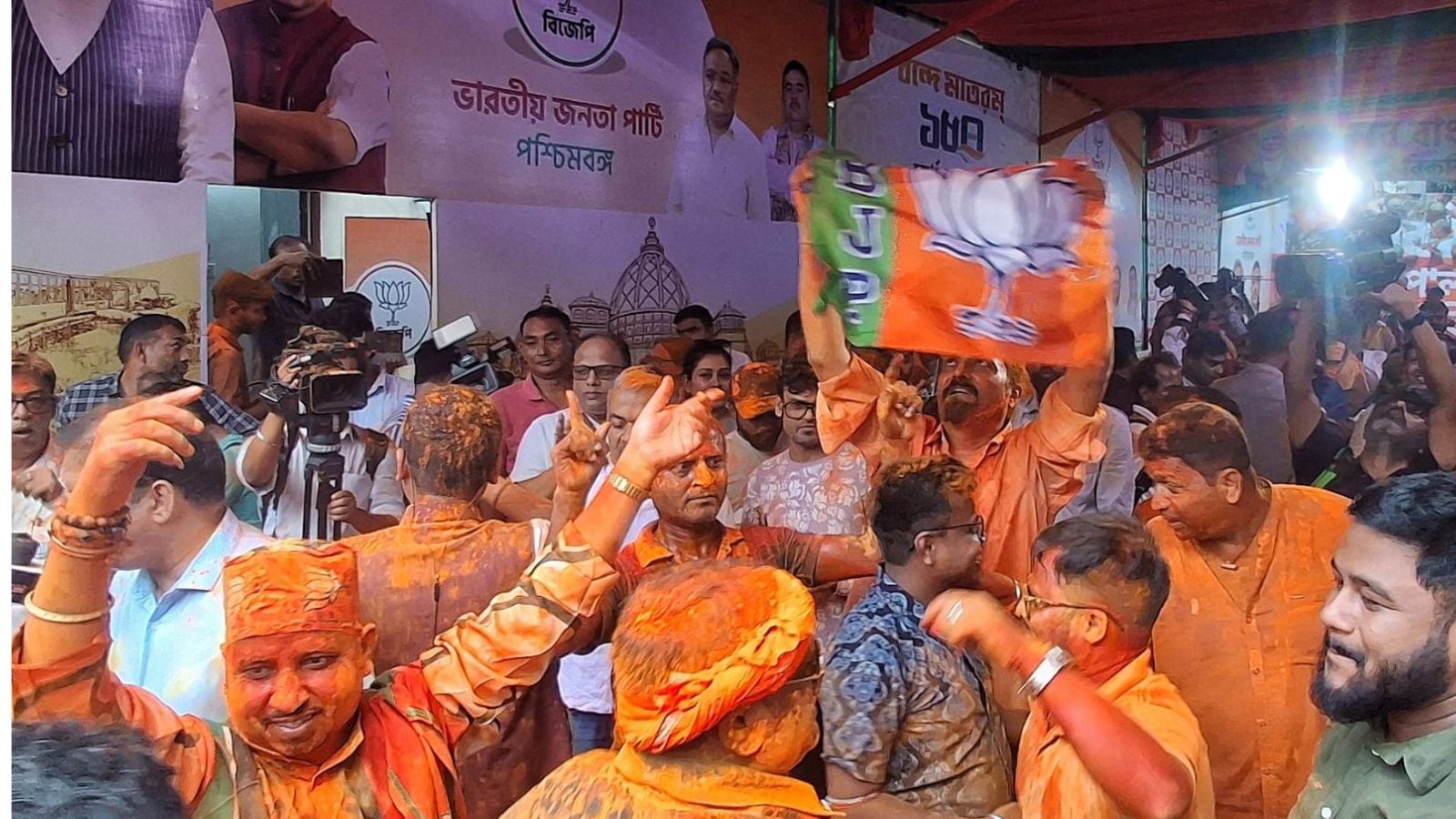
In Bengal, a state that prided itself on being as distinctive, the BJP has brought about a near-impossible electoral realignment. Even by the standards of its storied history, the BJP’s victory in Bengal is a remarkable tribute to its unmatched combination of ambition, perseverance, and political ruthlessness. It is, in a literal sense, a triumph of the will. It has not been stopped by any conventional electoral arithmetic, institutional propriety, identities like language, region or caste, or the embeddedness of a towering figure like Mamata Banerjee.

Defeat in retrospect always seems overdetermined. The fatigue, boredom, the corruption and nepotism, creeping thuggishness, the limits of welfare politics, and regional symbolism created background conditions for a BJP victory. But they would not have translated into victory if three things were not in place. After all, there is no evidence that the BJP will address better many of the discontents that fuelled it to power. The sheer determination of the BJP, the energy of the Modi-Shah duo to persist in hostile terrain, is remarkable. Then there is the belief that politically salient identities are not given. A new Hindu consciousness can be reconfigured through sheer mobilisation to the point where Hindu-Muslim polarisation nearly displaces all other axes. Longstanding grievances are now processed through that template. And finally, something that will be studied for a while, the use of institutional tactics from the use of the Election Commission, the taming of the Supreme Court, to create a narrative of the cleaning of the electoral process and a violence-free election. The actual effects of the SIR process will be studied over time. But what was remarkable about it was that the inconvenience and pain it imposed seemed to become a source of the BJP’s strength rather than a cause for punishment. Whether or not it decisively tilted the electoral outcome, it became handy for mobilisation and a demonstration of its institutional capture. The Assam-Bengal template will go national. It seems to fuel support for the BJP rather than resistance.
The victory of Vijay-led TVK is no less a vanquishing of another exceptionalism. Anti-incumbency is the norm in Tamil Nadu. But still, TVK’s victory is unprecedented in the way in which it breaks the duopoly of the DMK and AIADMK. What is remarkable about it is that it breaks the standard assumption that the only way a party can win a regional setting is by playing the regional pride card more strongly — there is nothing natural about that regionalism. But it is also a warning that even relatively successful states like Tamil Nadu, trailblazers in industrialisation and welfare politics alike, are in the grip of dissatisfaction and restlessness, in this case powered by young people. He has done what stars before him, like Vijayakanth, have not been able to do, without much of a party organisation or a social movement. Is this form of politics a new canary in the mine?
The BJP has demonstrated a triumph of the will. But its triumphs, while a testament to its furious energy and political imagination, also carry a shadow for Indian democracy. This victory consolidates Amit Shah’s position as a national leader and his lead over rivals by a mile: Total command over the party organisation, and an ability to deliver wins in all kinds of contexts, including a straight two-cornered context. It is also a new experiment for India. When one party acquires this degree of organisational dominance and ideological ascendancy, all countervailing forces and voices of dissent will gradually fall away. If Bengal’s history is any guide, the Trinamool will fade away faster than its proportion of vote share suggests, and the DMK is not a Dravidian force in the way it was. The BJP now also has an opening in Punjab, and the lesson of Tamil Nadu is that the South is open territory.
The Congress might exult in the fact that all its INDIA bloc rivals have fallen away. But Congress is nowhere near even putting up a minimal resistance and is no match for the BJP’s ruthlessness. Its lack of leadership, backward-looking ideas of caste and region, and utter listlessness mean that the regional vacuums will be filled by the BJP more than Congress. Hindutva is now the reigning ideology and identity of the new India. This is not a moment that can be analysed purely in contingent political terms; it is part of the inner conflict over the idea of India since 1857. Much of the template of that conversation over India’s identity was laid in 19th-century Bengal, beginning with Bankim. It is only the myopia of the Left and Centre parties that they assumed that regions are irrevocable natural formations that can be opposed to Hindutva. The idea that “Kali” would be pitted against “Ram” was the kind of cultural nonsense where the Left began to believe its own cultural illiteracy. For now, Hindutva is producing a culturally hierarchical order, where the claims of identity imperil India as a zone of freedom. The check on this ideology is not going to be external. We are on a wing and a prayer that the consolidation of this form of Hindutva does not result in deeper exclusion and violence, which is typically the denouement of such nationalisms. For now, India is in the grip of Hindutva supremacy; it has been sold as a utopian dream. There is no rival. What this supremacy does, or what brittleness it masks, only time will tell.
The writer is contributing editor, The Indian Express
