



4 min readMay 4, 2026 06:32 PM IST
First published on: May 4, 2026 at 06:32 PM IST
With the BJP’s landslide hat-trick in Assam in the recently concluded assembly elections, the state has consolidated its position as an enduring fortress of Hindutva. The BJP-led alliance, which won 98 seats in the 126-member Assembly, has relied on long-term, deeply embedded strategies spanning civilisational, infrastructural and aspirational narratives. Central to this is the party’s “rainbow alliance”, which continues to co-opt diverse ethnic communities through targeted, community-specific initiatives.
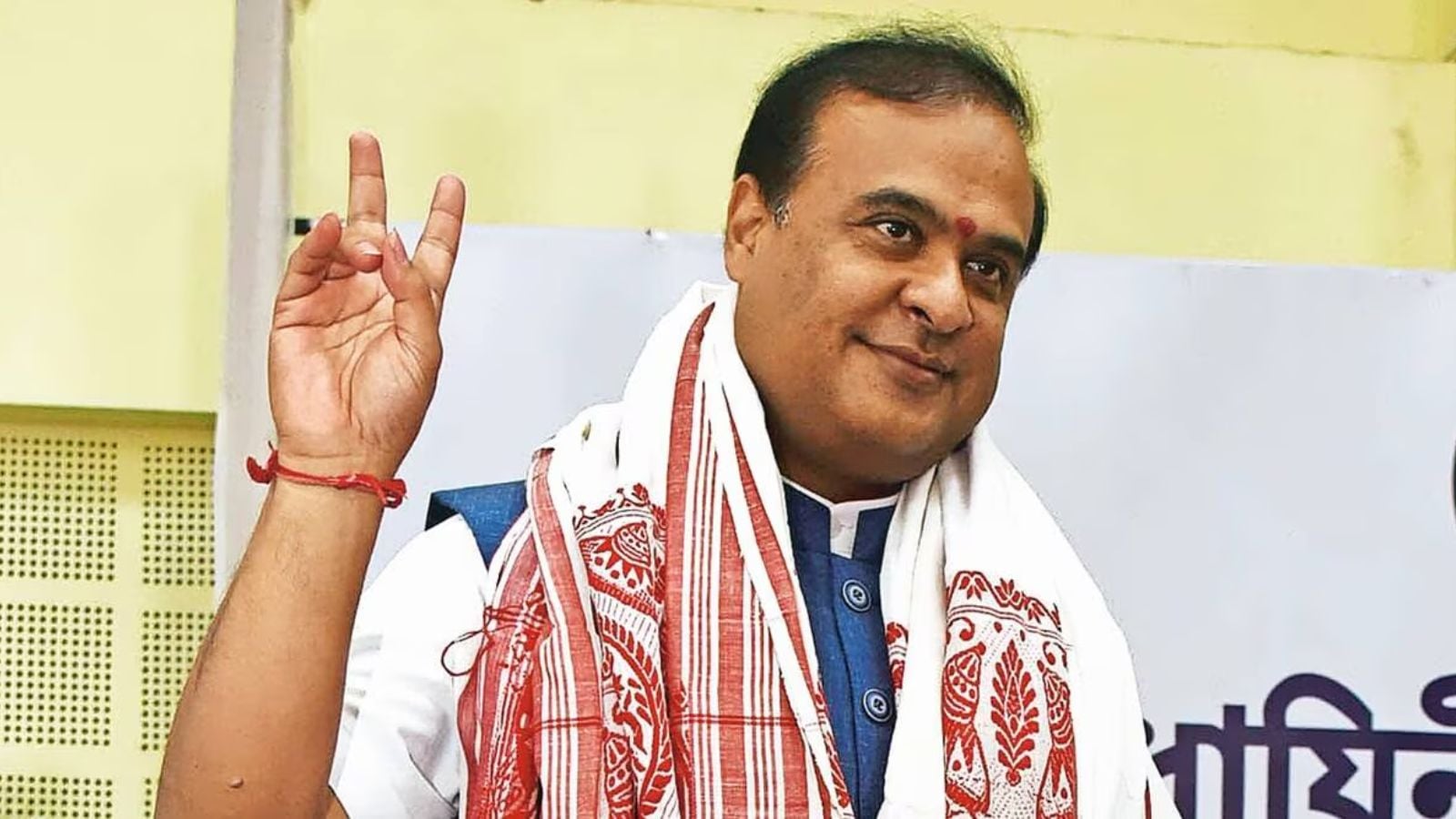
Chief Minister Himanta Biswa Sarma has played a pivotal role in this consolidation. He has demonstrated a keen understanding of Assam’s geographical constraints and its historical and cultural aspirations, linking these effectively to the ideological core of Hindutva and a market-driven political economy. He has also managed a complex political terrain marked by discontent among Assamese nationalists over the unresolved National Register of Citizens (NRC) and the implementation of the Citizenship (Amendment) Act, 2019. The decade-long grassroots expansion of the Sangh Parivar across socio-cultural and developmental spheres has further strengthened the BJP’s position. At the same time, a fragmented Opposition, last-minute defections of Congress leaders, and an overreliance on civil society to broker alliances weakened any credible challenge.

The Sarma government has pursued its civilisational agenda with clarity, often targeting minority Muslims as encroachers and threats to indigenous culture. The 2023 delimitation exercise formed a key part of this strategy. It increased SC and ST constituencies from 8 and 16 to 9 and 19, respectively, while significantly benefiting Bodoland, where seats rose from 11 to 15. The Bodo People’s Front’s alliance with the BJP further consolidated gains in the region. At the same time, delimitation was strategically executed in Muslim-majority districts such as Barpeta, Darrang, Dhubri, Goalpara, Karimganj, and Hailakandi.
The BJP has complemented its ideological positioning with expansive welfare and development initiatives. It has rolled out a wide range of subsidy-based and entrepreneurial schemes such as Nijut Moina and Nijut Babu, cutting across social groups. These schemes help soften ideological boundaries and broaden electoral appeal.
Women have been a central focus of the BJP’s outreach. The Orunodoi scheme, under which around 40 lakh women receive Rs 1,250 monthly, has been particularly significant. In March, beneficiaries received a consolidated Rs 9,000 payment covering four months of assistance along with a Bihu bonus — an intervention that likely had a tangible electoral impact. The promise to raise this assistance to Rs 3,000 and extend coverage to 15 lakh more households reinforces the party’s welfare plank.
Coordination between the state and the Centre has also bolstered public perception. Assam’s decision to constitute the Eighth Pay Commission for state employees — the first in India — signals administrative responsiveness. Meanwhile, infrastructure expansion under programmes like Bharatmala and Asom Mala has improved connectivity and stimulated rural economies in districts such as Lakhimpur, Dhemaji, and Majuli.
The BJP has also paid careful attention to community-specific interventions, particularly among tea tribes. Land entitlement initiatives and enhanced political representation at both state and national levels have helped consolidate its base in Upper Assam.
The BJP-led alliance’s decisive victory in Assam reflects a calibrated strategy that blends religious polarisation with welfare delivery and infrastructure development. By sustaining aspirations across social groups while integrating diverse ethnic and tribal communities into its fold, the party has effectively translated its political approach into electoral dominance.
The writer teaches Political Science at Gauhati University
