



4 min readJun 16, 2026 06:20 AM IST
First published on: Jun 16, 2026 at 06:20 AM IST
The period under Prime Minister Narendra Modi has brought major changes in India. The country has made significant progress in security, roads, electricity, housing, digital services, and welfare schemes, in a golden period for India’s security and development. Strong leadership has helped the country move forward with confidence.
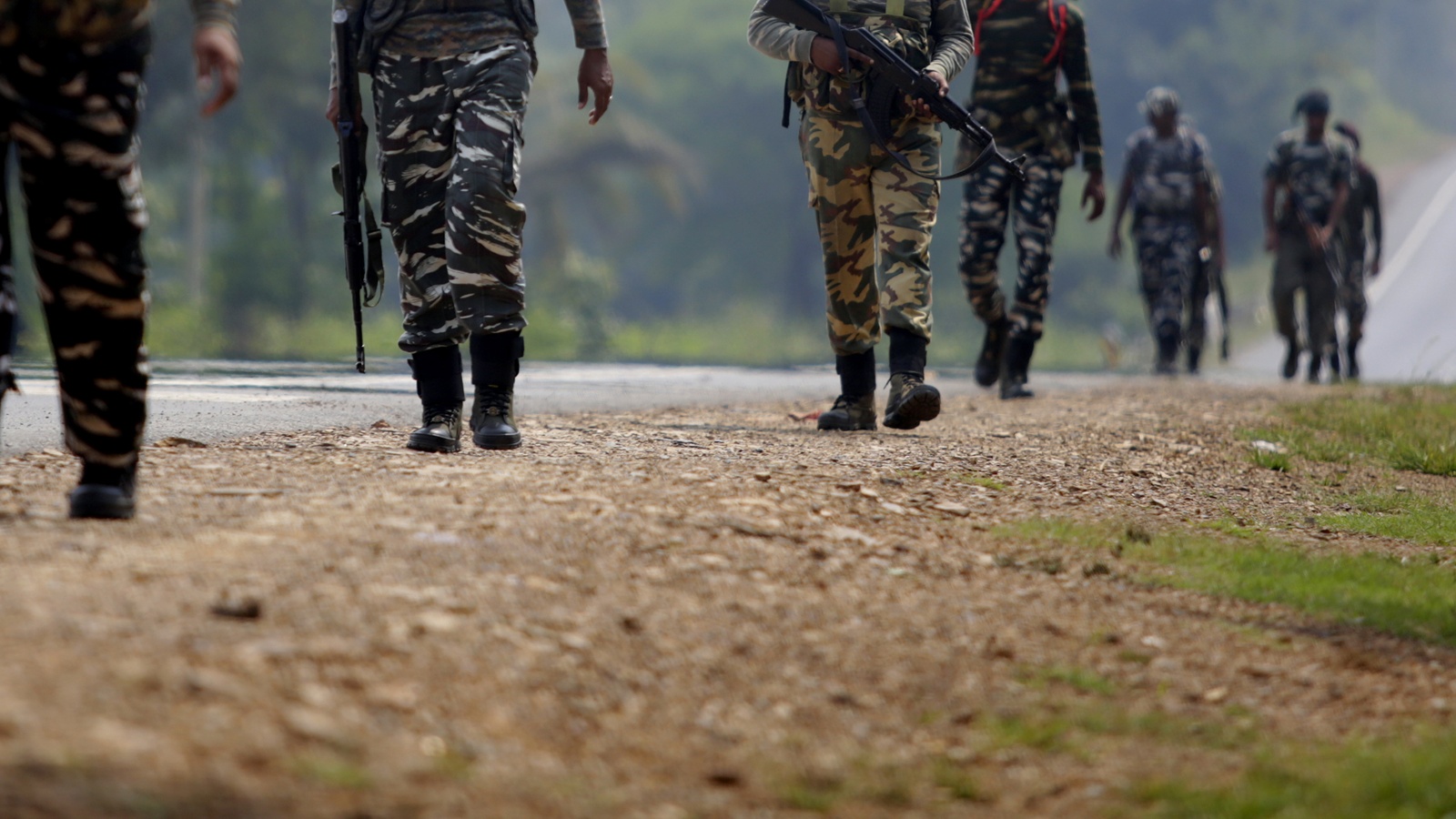
For Chhattisgarh, this was a significant change. Bastar and other tribal areas earlier faced Naxalite violence, poor roads, and lack of basic facilities. Today, the situation is improving, with better security, roads, and welfare schemes bringing hope.

A decade ago, India faced terrorism and Left-Wing Extremism. The government took strong steps to overcome these challenges. The removal of Article 370 strengthened national unity. Efforts against Naxalism reduced violence, including in Bastar, and development started reaching neglected regions.
In Bastar, under Niyad Nellanar Yojana, the benefits of 43 schemes from 17 departments reach 525 villages near security camps. These camps are being converted into Veer Shaheed Gundadhur Seva Deras for better service delivery.
Central government schemes have played a major role in the past 12 years. Under PM Awas Yojana, 2.43 lakh urban houses have been approved and 2.16 lakh completed in Chhattisgarh. PM Janman Yojana supports Particularly Vulnerable Tribal Groups with housing, roads, healthcare, and education. The Dharti Aaba campaign improves Anganwadi centres, schools, and local services in tribal villages.
Under the Swasthya Bastar campaign, 36 lakh people have been screened, 4.96 lakh examined, and 5,600 referred. Through Mahatari Vandan Yojana, 69 lakh women receive Rs 1,000 monthly, with over Rs 17,500 crore transferred.
PM-KISAN supports farmers. Krishak Unnati Yojana saw the procurement of 14.1 million metric tons of paddy in kharif marketing year 2025-26 with a Rs 33,431 crore support price and Rs 10,324 crore input assistance.
Under PM Surya Ghar, 61,000 homes have rooftop solar systems, reducing costs and promoting clean energy. A single-window system improves ease of doing business and the investment climate.
The Bastar Olympics and Bastar Pandum promote tribal culture. Chitrakote is being developed as a major tourist site, creating jobs. Direct benefit transfers have ensured that money reaches beneficiaries without delay or leakage. Mobile connectivity and internet access in remote villages have helped people access government services more easily.
Bastar is also witnessing social and economic change through self-help groups, forest-based livelihood, and cooperative models. Minor forest produce collection and value addition are increasing income for tribal families.
Digital agriculture initiatives like AgriStack and Farmer Registry are improving transparency and reducing delays in subsidy delivery. Farmers are now able to access crop insurance, MSP benefits and soil health information more efficiently.
Skill development programmes are preparing youth for national and global opportunities. Training in new-age sectors such as IT and AI is helping young people become job-ready.
Better roads, electrification and drinking water supply are ensuring that basic needs are met in previously remote villages. Government schemes are reducing inequality between urban and rural areas.
The combined impact of central and state initiatives is visible in every sector of Bastar, which is emerging as a model of transformation. There is trust in governance, active participation by citizens and growing opportunities for the future. As India progresses towards Viksit Bharat 2047, Chhattisgarh remains committed to ensuring that the benefits of development reach every citizen.
The transformation of Bastar shows how focussed governance and welfare delivery can change lives in even the most difficult regions, creating a safer and more hopeful future for all. This progress is a result of sustained efforts, strong leadership, people-centric policies, and coordinated implementation across levels of governance.
The writer is Chief Minister of Chhattisgarh
